How to Transplant Birdbill dayflower?
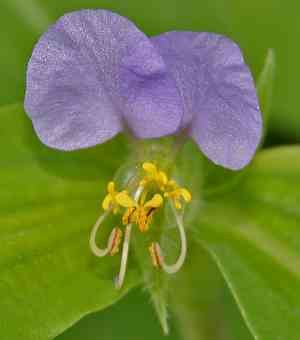
For an optimal beginning for your birdbill dayflower, transplant them during the peak of spring, when growth is most vigorous. Select a location that receives full sun to partial shade, featuring soil that drains effectively, and provide consistent moisture to facilitate their establishment.
What Preparations are Needed Before Transplanting Birdbill Dayflower?
What is the Ideal Time for Transplanting Birdbill Dayflower?
The best period for relocating birdbill dayflower to your garden extends from the start of early spring through the end of late spring. This timeframe offers the mild temperatures and increasing daylight birdbill dayflower requires for comfortable rooting and initial development. Moving birdbill dayflower during this season takes advantage of the gentle weather, fostering strong root establishment before summer's heat intensifies. A helpful tip: this timing aligns with birdbill dayflower's natural growth cycle, ensuring a smooth transition outdoors.
How Much Space Should You Leave Between Birdbill Dayflower Plants?
When getting ready to move your birdbill dayflower, aim for a spacing of about 6-12 inches (15-30 cm) between them. This provides each plant ample room to thrive and ensures proper air circulation, which is crucial for vigorous growth.
What is the Best Soil Mix for Birdbill Dayflower Transplanting?
For your birdbill dayflower, choose a soil that drains well but can still retain moisture without becoming soggy. Enhance the soil with a balanced, slow-release fertilizer to give your birdbill dayflower an excellent start. This step is essential for nourishing the roots and aiding in robust development.
Where Should You Relocate Your Birdbill Dayflower?
Select a spot for your birdbill dayflower that receives partial to full sun exposure. An area that gets morning sun and some afternoon shade would be perfect, especially in warmer climates, to shield your birdbill dayflower from excessive heat.
What Equipments Should You Prepare Before Transplantation Birdbill Dayflower?
Gardening Gloves
To safeguard your hands while handling soil and plants.
Garden Trowel
For digging and creating planting holes.
Watering Can or Hose
To hydrate the plant before and after its relocation.
Garden Shovel or Spade
To excavate the plant from the ground, if necessary.
Pruning Shears
To trim any dead or excess plant parts or roots prior to transplanting.
Measuring Tape
To verify the new hole's correct depth and width.
Wheelbarrow or Garden Cart
To move the birdbill dayflower and soil, especially for larger specimens.
Organic Mulch
To maintain soil moisture and regulate temperature after transplanting.
How Do You Remove Birdbill Dayflower from the Soil?
How Do You Remove Birdbill Dayflower from the Soil?
From Ground: Moisten the birdbill dayflower to soften the soil around its base. Dig a wide circle around the plant with a shovel or spade, being careful not to harm the root ball. Gently slide the tool under the root mass and lift the birdbill dayflower from its spot.From Pot: Water the birdbill dayflower to facilitate its removal from the container. Tip the pot sideways and tap its sides to loosen the plant. Support the base of the birdbill dayflower and carefully pull it out, ensuring the root ball stays intact.From Seedling Tray: Dampen the soil in the tray to help the roots slide out more easily. Use a garden trowel or your fingers to gently extract the seedling from the tray. Handle the birdbill dayflower by its leaves rather than the stem to minimize damage.
Step-by-Step Guide for Transplanting Birdbill Dayflower
Preparation
Before taking the birdbill dayflower from its original spot, get the new planting area ready by digging a hole twice as wide and just as deep as the root ball.
Root Inspection
Check the birdbill dayflower root ball for any signs of disease or circling roots. Cut away any unhealthy sections with pruning shears.
Plant Placement
Position the birdbill dayflower in the center of the hole. The top of the root ball should be even with the surrounding soil surface.
Backfilling
Carefully refill the hole with soil, gently firming it around the root ball to prevent air pockets.
Watering
Water the birdbill dayflower thoroughly after planting to settle the soil and hydrate the roots. Avoid excessive watering to prevent root rot.
Mulching
Apply a layer of organic mulch around the birdbill dayflower, being careful not to pile it against the stem, to help retain moisture and regulate soil temperature.
How Do You Care For Birdbill Dayflower After Transplanting?
Monitoring
Keep a close watch on the birdbill dayflower for signs of stress, such as wilting or discolored leaves, and address any issues promptly.
Watering
Provide consistent moisture to the birdbill dayflower, especially during the initial weeks. Water deeply to encourage strong root growth while being careful not to overwater.
Support
If the birdbill dayflower is tall or top-heavy, gently stake it to provide support and prevent damage from wind.
Pruning
Trim away any dead or damaged foliage to promote new growth and maintain a healthy plant structure.
Protection
Shield the newly transplanted birdbill dayflower from harsh environmental conditions like strong winds or extreme temperatures using row covers or shades if necessary.
Troubleshooting Common Issues with Birdbill Dayflower Transplantation.
What's the best time to transplant birdbill dayflower?
The ideal time for transplanting birdbill dayflower is from early to late spring, when the weather is mild.
How far apart should I space birdbill dayflower when transplanting?
Allow each birdbill dayflower ample room by spacing them 6-12 inches (15-30 cm) apart to ensure proper growth.
Why is my birdbill dayflower wilting after transplant?
Wilting after transplanting might be due to shock. Ensure gentle handling and sufficient water to aid its recovery.
Can I transplant birdbill dayflower when it's flowering?
It's best to transplant birdbill dayflower when it's dormant. Moving it during flowering can cause stress to the plant.
How deep should the hole be for transplanting birdbill dayflower?
Dig a hole as deep as the root ball and twice as wide to accommodate its growth.
How much should I water birdbill dayflower after transplanting?
Water generously immediately after transplanting to help establish roots, then adjust to its regular watering needs.
Should birdbill dayflower be fertilized after transplanting?
Wait a few weeks before fertilizing to avoid burning the roots while they are still delicate.
How do I handle birdbill dayflower's roots during transplanting?
Carefully untangle any circling roots and spread them out when transplanting to encourage healthy growth.
What soil conditions are best for transplanting birdbill dayflower?
Use well-draining soil rich in organic matter. Avoid waterlogged or excessively dry conditions.
Can birdbill dayflower be transplanted on a hot day?
Transplant birdbill dayflower on a cooler, overcast day or in the late afternoon to prevent heat stress.



