How to Propagate Birdbill dayflower?
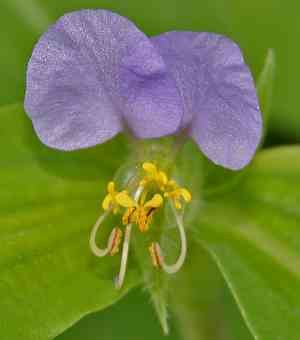
Birdbill dayflower flourishes when multiplied via cuttings. To achieve the best outcomes, choose robust, non-blooming stems and employ a keen, sterilized implement for making incisions. It is essential to embed these cuttings in a potting blend that drains effectively, ensuring sufficient air movement around the planting location. Maintaining the substrate uniformly damp, yet not saturated, will foster vigorous root formation. This technique facilitates rapid rooting and expansion, presenting an effective means to augment your garden's collection of birdbill dayflower.
When Is the Optimal Time to Propagate Birdbill Dayflower?
Propagation Method
Cutting
Propagation Period
Spring,Summer
What Equipment Is Used in Birdbill Dayflower Propagation?
Sharp pruning shears
Pruning shears are vital for making clean cuts on birdbill dayflower stem segments for propagation. Sharp blades ensure minimal damage to plant tissues, encouraging healthier and faster root development.
Rooting hormone powder or gel
Rooting hormone aids in stimulating root growth from the severed ends of birdbill dayflower cuttings. Applying it to the cut surface can significantly boost success rates by promoting quicker rooting and helping prevent fungal issues.
Sterile potting mix
A sterile potting mix, free from pathogens and pests, offers a safe environment for new birdbill dayflower cuttings to root. The mix should be light and well-draining to support delicate new roots without excessive moisture, which could lead to rot.
Humidity dome or plastic bag
Maintaining high humidity is critical for birdbill dayflower cuttings to prevent desiccation before roots establish. A humidity dome or a simple clear plastic bag can cover the propagating container, trapping moisture and creating a mini-greenhouse effect.
Small pots or propagation trays
Small pots or trays are suitable for individual birdbill dayflower cuttings. They should have sufficient drainage holes to prevent waterlogging, which is crucial for the overall health of the cuttings during the rooting phase.
How to Propagate Birdbill Dayflower?
Propagation Difficulty
Easy
How to Care for Your Newly Propagated Birdbill Dayflower?
How to Care for Your Newly Propagated Birdbill Dayflower?
Once roots are established, gradually introduce the birdbill dayflower to less humid conditions by removing any plastic covering. Move the plant to its permanent spot, which should provide partial shade or filtered sunlight. Keep the soil moist, especially in dry conditions, and apply a balanced, diluted liquid fertilizer every 4-6 weeks during the growing season to support robust growth. Avoid excessive watering to prevent root rot.
Common Errors to Avoid When Propagating Birdbill Dayflower
Overwatering
Excessive watering can cause root rot for birdbill dayflower, which thrives in well-drained conditions. This issue hinders root development and reduces overall propagation success.
Deep planting
Planting birdbill dayflower cuttings or seeds too deeply can prevent them from receiving adequate light, which is vital for germination and the initiation of photosynthesis in young plants.
Ignoring humidity
Neglecting the humidity requirements of birdbill dayflower during propagation can impact the plant's ability to develop. Insufficient humidity can cause the plant to dry out, particularly during the root-establishing phase.
Advice For Propagating Birdbill Dayflower
Moderate watering
Maintaining balanced soil moisture is essential. Water birdbill dayflower sufficiently to keep the soil moist but not waterlogged, promoting healthy root growth without the risk of root disease.
Light exposure
Ensure that birdbill dayflower receives ample light, especially if propagating by seeds or cuttings. Adequate light is crucial for germination and early growth stages.
Use of a humidity tray
During propagation, particularly in drier environments, employing a humidity tray can help maintain an environment conducive to growth for birdbill dayflower, aiding in preventing the plant from drying out.



