How Much Sunlight Do Birdbill dayflower Need?
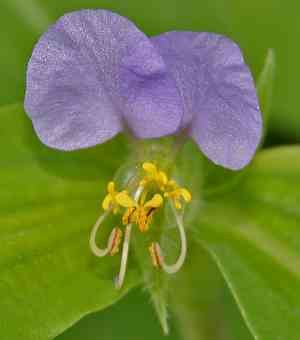
1
Birdbill dayflower flourishes with more than 6 hours of direct sun each day.
2
Insufficient light exposure can cause Birdbill dayflower to become elongated and pale.
3
Employing artificial grow lights can support robust indoor development.
Ideal Light Requirements for Birdbill Dayflower
Optimal Light Intensity
The Birdbill dayflower thrives in bright, direct light. It performs best with full sun exposure, meaning it needs at least 6-8 hours of direct sunlight daily. For outdoor cultivation, a spot receiving morning sun is perfect, as it offers gentle yet sufficient light without the harshness of the afternoon rays.
Duration of Sun Exposure
This plant flourishes with extended periods of sun exposure. Aim for a minimum of 6 hours of sunlight per day, ideally up to 8 hours. Consistent light helps maintain vibrant foliage and encourages more blooms. If grown indoors, position it near a window that gets ample sunlight throughout the day, preferably a south-facing one.
Impact of Insufficient Light on Birdbill Dayflower
Indicators of Low Light Stress
When the Birdbill dayflower lacks adequate light, it displays several stress signs. Etiolation, characterized by leggy, weak stems, is an early indicator. Additionally, its foliage may lose its vivid green hue, becoming pale or yellow, and flowering can significantly decrease. Reduced light also weakens the plant's overall health, making it more prone to diseases and pests.
Remedial Actions
If your Birdbill dayflower shows signs of insufficient light, take corrective measures. Relocate the plant to a brighter indoor spot. If moving isn't feasible, supplement its light with grow lights. Gradually increasing light duration helps the plant adapt without added stress. A balanced light environment is vital for your Birdbill dayflower's well-being.
Consequences of Excessive Sunlight for Birdbill Dayflower
Symptoms of Sunburn
While the Birdbill dayflower enjoys sunlight, too much can be harmful. Overexposure, especially to intense afternoon sun, can scorch leaves, appearing as brown or white sunburn spots. These indicate the plant is receiving more light than it can tolerate. Prolonged exposure can also cause leaf edges to dry out and become brittle.
Preferred Shading Solutions
To shield your Birdbill dayflower from excessive sunlight, provide shade during the hottest parts of the day. Garden fabric or shade cloths can filter intense light. Indoors, a sheer curtain can diffuse direct sun during peak hours. Strategically placing taller plants or structures nearby can also create natural shade while still allowing sufficient light.
Best Practices for Indoor Cultivation of Birdbill Dayflower
Optimal Window Placement
For indoor Birdbill dayflower cultivation, window positioning is key. Given its preference for bright, direct light, south or west-facing windows are ideal. These windows typically capture the most daylight, effectively meeting the plant's needs. If light intensity is too strong, especially in the afternoon, move the plant slightly away from the window or use a sheer curtain to diffuse the light.
Effective Use of Grow Lights
For areas with limited natural light, grow lights are an excellent solution for maintaining a healthy Birdbill dayflower. Efficient LED grow lights can provide a full spectrum of light, mimicking natural sunlight. Position lights about 30-45 cm (12-18 inches) above the plant and keep them on for approximately 12-14 hours daily to simulate a natural day-night cycle. This ensures optimal light conditions for your plant's growth.



