How to Prune Birdbill dayflower?
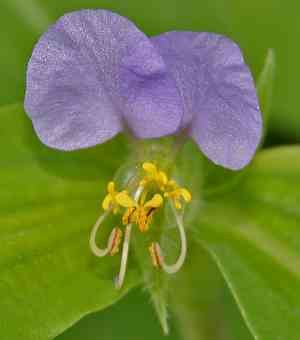
Distinguished by its vivid blue blossoms and fleshy stalks, birdbill dayflower flourishes with consistent trimming. Snip off faded blooms and withered foliage to foster a denser habit. Perform pruning in spring to sculpt and stimulate fresh shoots. Excise no more than one-fourth of the plant; refrain from cutting it back to the soil level. Trimming during summer or autumn, following its flowering period, preserves its appearance and well-being. Advantages of pruning encompass increased blooming and a diminished susceptibility to ailments.
What Are the Benefits of Pruning Birdbill Dayflower?
What Are the Benefits of Pruning Birdbill Dayflower?
Trimming birdbill dayflower promotes more vivid blooms and maintains its desired shape. This helps birdbill dayflower grow stronger and healthier. Regular cutting is essential for an attractive look and vigorous development.
What Is the Best Time for Pruning Birdbill Dayflower?
What Is the Best Time for Pruning Birdbill Dayflower?
Pruning during Spring for birdbill dayflower is optimal as it marks the start of the plant's active growth period. This timing allows the plant to recover quickly and encourages new growth where cuts were made. Summer pruning can be used to manage the plant's shape and size as it continues to grow robustly. It can also stimulate further flowering or remove spent blossoms for a tidier appearance. Fall pruning should be light, focusing on removing any damaged or diseased growth before the plant enters winter dormancy. However, extensive pruning in Fall should generally be avoided to prevent new growth from being harmed by impending cold weather. Pruning birdbill dayflower during its dormant season in Winter is not advised, as the plant's energy reserves are low, and wound healing will be slower.
What Tools Do I Need to Prune Birdbill Dayflower?
Bypass Pruners
Perfect for making clean, precise cuts on birdbill dayflower's delicate stems without causing unnecessary harm to the plant tissues.
Garden Scissors or Snips
Especially useful for removing spent flowers and trimming back birdbill dayflower without impacting adjacent plants, ensuring accurate and careful snipping.
Hand Gloves
Protects the gardenerâs hands from scratches and ensures safe handling of birdbill dayflower during the pruning process.
How to Prune Birdbill Dayflower
Sterilize tools
Sanitize pruning shears or scissors with rubbing alcohol or a bleach solution to prevent the spread of disease during trimming.
Remove diseased leaves
Carefully cut away any diseased leaves from birdbill dayflower at the base of the leaf stalk, ensuring not to tear the stem to avoid wounds that could attract pests or further disease.
Trim withered leaves
Prune any withered leaves by cutting them off where they join the main plant or closest to the base of the leaf stalk, ensuring clean cuts to promote healthy regrowth.
Deadhead flowers
Deadhead spent or withered flowers by snipping the flower stalk just below the spent flower or by pinching it off with your fingers to encourage birdbill dayflower to produce new blooms.
Dispose trimmed parts
Dispose of all removed material (diseased leaves, withered leaves, and spent flowers) away from the garden to prevent any potential disease spread or re-infection of birdbill dayflower.
Common Pruning Mistakes with Birdbill Dayflower
Overpruning
Removing too much foliage from birdbill dayflower can stress the plant, leading to reduced vigor and fewer blooms. It's important to prune just enough to shape the plant and remove dead or damaged parts.
Blunt tool use
Using dull pruning tools can cause damage to birdbill dayflower's stems, resulting in jagged cuts that can be more susceptible to disease. Always use sharp, clean tools to make clean cuts.
Incorrect cut position
Making cuts too far from a node or bud can result in dead stubs that won't heal properly. Conversely, cutting too close to a node can damage the bud. It is crucial to cut just above a node or bud.
Pruning healthy growth
It can be a mistake to remove healthy growth indiscriminately. In birdbill dayflower, removing too much healthy growth can limit its ability to photosynthesize and flourish.
Ignoring plant form
Not considering the natural shape of birdbill dayflower can lead to an unnatural appearance. Pruning should enhance the natural form of the plant, not work against it.
Common Pruning Tips for Birdbill Dayflower
Sanitization
Before pruning birdbill dayflower, clean tools with a solution of bleach or alcohol to prevent the spread of disease between plants.
Tool selection
Utilize bypass pruners or scissors for precise cuts on birdbill dayflower, which will help minimize damage to the delicate stems.
Focus on dead diseased
Prioritize removal of dead, diseased, or damaged growth to maintain birdbill dayflower's health and aesthetic appeal.
Angle cuts
Make cuts at a 45-degree angle about 1/4 inch above the node or bud to promote healing and reduce the risk of disease.
Monitor growth habit
Regularly observe birdbill dayflower's growth pattern. This helps to determine the most appropriate time and method for pruning to maintain the plant's desired shape and size.
Gradual pruning
For birdbill dayflower, execute pruning gradually rather than all at once. This lessens the stress on the plant and leads to a stronger, more productive specimen.



