How to Transplant Pigeon plum?
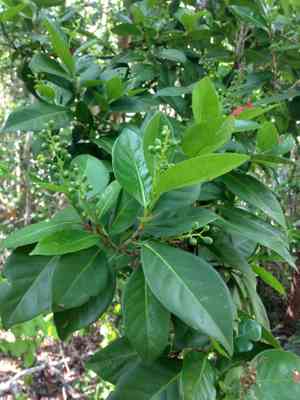
The most favorable period for relocating pigeon plum is in mid-spring, capitalizing on consistent temperatures and sufficient development duration. Select a location featuring soil that drains effectively and receives partial to complete sun exposure. If necessary, perform root trimming to facilitate a less stressful adjustment.
What Preparations are Needed Before Transplanting Pigeon Plum?
What is the Ideal Time for Transplanting Pigeon Plum?
The optimal period for relocating pigeon plum is during the prime window of mid to late spring. This timeframe provides moderate temperatures and sufficient moisture, creating perfect conditions for root development and post-transplant recovery. Moving pigeon plum in this flourishing season ensures a less stressful transition, with natural cues encouraging new growth. A friendly reminder: This precise timing aligns with nature's rhythm, giving pigeon plum the best possible fresh start in its new spot!
How Much Space Should You Leave Between Pigeon Plum Plants?
Firstly, you'll want to position your pigeon plum plants 15-20 feet (4.5-6 meters) apart. This provides ample room for growth without competition for nutrients or sunlight. Remember, proper spacing encourages robust development!
What is the Best Soil Mix for Pigeon Plum Transplanting?
Prepare soil that drains effectively. A loamy or sandy composition works wonderfully for pigeon plum. Additionally, it's beneficial to incorporate organic compost into the soil. A slow-release base fertilizer can be applied before planting. Be careful not to overdo it!
Where Should You Relocate Your Pigeon Plum?
For its placement, pigeon plum thrives in sunlight, so select a spot where it can receive abundant direct sun daily. However, it can also endure some shade. So, don't fret if it's not constantly sunny!
What Equipments Should You Prepare Before Transplantation Pigeon Plum?
Gardening Gloves
To safeguard your hands from abrasions and cuts when handling sharp tools and pigeon plum with rough or spiky surfaces.
Spade or shovel
To excavate pigeon plum from its original location and to prepare the new site.
Garden trowel
To make minor adjustments to the space for the plant's root ball.
Wheelbarrow
To transport pigeon plum from its initial position to its new home.
Watering can or hose
To hydrate the soil before and after the transplanting process.
Mulch
To retain soil moisture and regulate soil temperature.
Stakes and ties
To help pigeon plum maintain an upright posture after transplant, especially useful if pigeon plum is a tall or mature specimen.
How Do You Remove Pigeon Plum from the Soil?
How Do You Remove Pigeon Plum from the Soil?
From Ground: First, moisten the pigeon plum plant to dampen the soil. Then, using your spade or shovel, dig a wide trench around the plant, being careful not to harm the plant's root ball. Gradually work your way beneath the root ball, loosening the soil until you can safely lift the plant from its original spot.From Pot: If pigeon plum is in a container, water thoroughly before removal. Place your hand on top of the soil, with the stem between your fingers. Invert the pot and gently tap it to release the plant. Carefully remove pigeon plum, supporting the roots and soil in your hand.From Seedling Tray: Water the seedlings to facilitate removal. Gently lift each pigeon plum plant using a spoon or a dibber, ensuring you lift it by the leaves and not by the stem or roots. Handle the root ball delicately to avoid damaging fragile roots.
Step-by-Step Guide for Transplanting Pigeon Plum
Preparation
Prepare the new planting site by digging a hole twice as wide and as deep as the root ball of the pigeon plum plant. Partially fill the hole with loosened soil.
Transplanting
Carefully place pigeon plum in the hole, positioning the plant so its topmost root is level with or slightly below the soil surface. Fill in around the root ball, pressing gently to remove air pockets without compacting the soil.
Watering
Water thoroughly after planting to settle the soil around the roots and help pigeon plum adapt to its new location. Refill the hole with soil if needed.
Staking
Stake the plant if necessary to help maintain an upright position.
Mulching
Apply a layer of mulch around the plant to help conserve moisture and suppress weeds.
How Do You Care For Pigeon Plum After Transplanting?
Watering
Consistent, but not excessive, watering is vital to help pigeon plum establish strong roots. Monitor rainfall and adjust irrigation accordingly.
Weeding
Remove any weeds that emerge near the plant, as they compete for nutrients and water.
Pruning
Trim off any dead or damaged branches to help pigeon plum direct its energy towards root establishment.
Pest Control
Inspect pigeon plum for any indications of insects or disease. Seek advice from a garden center or extension service if unusual symptoms appear.
Feeding
Wait at least a month before fertilizing pigeon plum to prevent root burn. Select a balanced fertilizer formulated for young trees, and follow the instructions carefully.
Troubleshooting Common Issues with Pigeon Plum Transplantation.
What's the best time to transplant pigeon plum?
Ideally, you want to carry out the transplanting of pigeon plum during the latter half of the growing season (S2-S3). This generally ensures improved growth and survival rates.
How much space does pigeon plum require after being transplanted?
Pigeon plum needs a considerable amount of space after transplant. Ideally, the plants should be spaced 15-20 feet (4.5 - 6 meters) apart to allow for adequate growth.
Should the root of pigeon plum be trimmed before transplanting?
No, generally, the roots of pigeon plum should not be trimmed before transplanting. This promotes healthy root growth and leads to better establishment of the plant.
What is the ideal depth for transplanting pigeon plum?
Pigeon plum should be planted at the same depth it was initially grown. Planting too shallow or too deep can result in water stress or root suffocation.
How should I water pigeon plum after transplanting?
After transplanting pigeon plum, water it thoroughly to settle the soil around the roots. Maintain consistent moisture levels but avoid over-watering as it can lead to root rot.
What type of soil is best for transplanting pigeon plum?
Pigeon plum prefers soil that drains well. If the soil is too compacted or dense, consider amending it with organic matter to enhance its texture and drainage.
How much sunlight does pigeon plum require after transplanting?
Pigeon plum needs an ample amount of sunlight after transplantation. Ideally, it should have access to full or partial sunlight for the majority of the day.
Can pigeon plum be transplanted into a pot?
Yes, pigeon plum can be successfully transplanted into a sizable pot. Make sure it is deep and wide enough to accommodate the plant's root structure.
When will pigeon plum start showing signs of growth after transplant?
Pigeon plum will often start showing signs of new growth within 2-3 weeks of transplanting, provided it has been planted and cared for correctly.
What should I do if pigeon plum shows signs of stress after transplanting?
If pigeon plum shows signs of transplant stress such as wilting or yellowing leaves, reduce sun exposure and keep it well-watered. If the stress continues, consider seeking expert advice.



