The Pigeon plum Plant Advantage: Maximizing Home and Office Appeal and Wellness
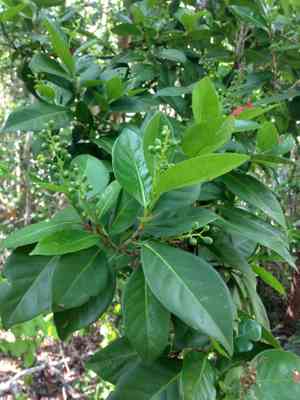
1
Pigeon plum is a resilient plant, ideal for seaside environments.
2
Its thick leaves offer superb shade and seclusion.
3
Pigeon plum aids native fauna, drawing in avian species and beneficial insects.
Why Opt for Pigeon Plum in Your Garden?
Resilience to Challenging Conditions
Pigeon plum thrives in various difficult environments, including saline coastal zones and poor soil. Its hardiness makes it a flexible option for gardeners facing issues with less robust plants in tough spots.
Minimal Upkeep Requirements
A key benefit of Pigeon plum is its low maintenance needs. Once established, it requires little watering and can endure dry spells. This reduces the time and effort spent on garden care, freeing you to enjoy your outdoor space more.
Ecological Benefits of Pigeon Plum
Supports Local Wildlife
Pigeon plum significantly benefits the local ecosystem, offering sustenance and shelter for diverse bird species, insects, and other pollinators. Its berries are particularly appealing to birds, ensuring a lively and vibrant garden.
Assists in Erosion Prevention
In coastal and other areas prone to erosion, Pigeon plum helps stabilize the ground with its extensive root system. This is vital for preventing land degradation and preserving natural landscapes, making it an environmentally sound choice for gardeners.
Aesthetic and Practical Advantages
Natural Shade and Seclusion
The dense foliage of Pigeon plum makes it an excellent choice for creating natural shade and privacy in your garden. Whether you want a secluded sitting area or to shield your home from view, this plant acts as a beautiful and functional barrier.
Year-Round Visual Appeal
Pigeon plum offers continuous beauty with its evergreen leaves and seasonal berries. Its lush green and vibrant fruits can add color and texture to your garden throughout all seasons, ensuring your outdoor area remains attractive year-round.
Planting and Caring for Pigeon Plum
Planting Guidelines
When planting Pigeon plum, select a spot with full to partial sun and well-draining soil. Dig a hole twice the root ball's size and mix in compost to enrich the soil. Position the plant, backfill with soil, and water thoroughly.
Ongoing Care
While Pigeon plum is low-maintenance, occasional watering during extended dry periods will help it flourish. Mulching around the base can help retain moisture and control weeds. Pruning can be done to shape the plant or remove dead branches, ensuring it stays healthy and strong.



