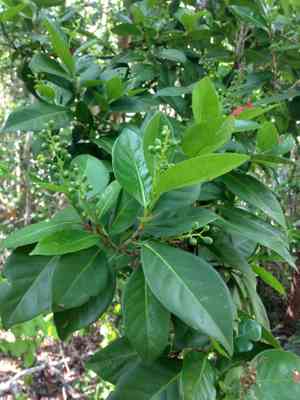
Pigeon plum (Coccoloba diversifolia)
Also known as: Long-leaved pigeon wood
Pigeon plum (Coccoloba diversifolia) stands out for its glossy leaves and versatile growth conditions, making it a favorite among gardeners. Its salt tolerance is particularly beneficial for coastal areas. The plant also supports local wildlife, attracting birds and butterflies. Additionally, its low maintenance needs and resistance to pests enhance its appeal, while its use in traditional medicine adds economic value. Overall, pigeon plum is a visually appealing and functional addition to any garden.
In This Article
Attributes of Pigeon plum
Lifespan
Perennial
Plant Type
Tree, Shrub
Plant Height
6 m to 12 m
Spread
6 m to 11 m
Leaf Color
Green
Flower Size
2.5 cm
Flower Color
White Green Cream Gray
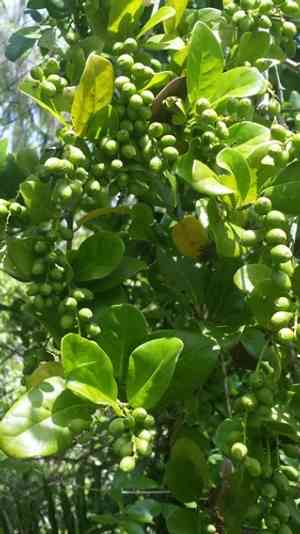
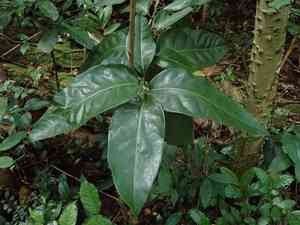
Images of Pigeon plum
Quickly Identify Pigeon plum
1
To identify Coccoloba diversifolia, look for its smooth, alternate leaves that vary in shape but are generally oblong to elliptic. The tree has dark brown bark and produces small, white to greenish flowers that grow in clusters. The fruits are small, round drupes that turn dark purple when ripe.
Scientific Classification of Pigeon plum
Phylum
Vascular plants
Class
Dicotyledons
Order
Caryophyllales
Family
Buckwheat
Genus
Coccoloba
Species
Pigeon plum
Planting and Growing of Pigeon plum
Care Difficulty
Easy
Watering Schedule
Every 3 days
Sunlight Requirements
Partial sun
Sunshine Duration
4-6 hours
Ideal Temperature
70-85℉
Soil Type
Potting Mix, Peat Mix
Soil pH
6.5-7.5
Fertilizer Type
Balanced
Pruning Season
Spring, Summer
Pruning Area
Branches, Leaves
Pruning Frequency
Once a year
Repotting Season
Spring
Pot Type
Plastic, Ceramic
 How to Water Pigeon plum?
Coccoloba diversifolia, commonly known as the pigeon plum, thrives with a consistent watering routine that mirrors its native coastal habitat. Ensure the soil is thoroughly moistened with each watering. Aim for approximately 500ml of water per session, letting the soil become damp but not soggy.
What are the symptoms of an underwatered Pigeon plum?
›
What should I do if my Pigeon plum is not getting enough water?
›
What are the symptoms of an overwatered Pigeon plum?
›
How to save an overwatered Pigeon plum?
›
 What Are the Sunlight Requirements for Pigeon plum?
Partial sun ensures the right balance of light and shade, promoting robust growth and vibrant leaves. Ideal lighting leads to improved plant vigor and better leaf coloration, enhancing the plant's appearance and resilience.
More About Sunlight Requirements Techniques→
How much sunlight is ideal?
›
What if the plant receives too much light?
›
How to achieve ideal lighting conditions indoors?
›
 What Is the Ideal Temperature Range for Pigeon plum?
Coccoloba diversifolia thrives in a tropical climate where temperatures range between 70°F and 85°F. This range provides optimal conditions for photosynthesis and metabolic activities, ensuring healthy growth and development.
 What Soil is Best for Pigeon plum?
Coccoloba diversifolia thrives in well-draining soil that prevents waterlogging, which can lead to root rot. This helps the plant access nutrients effectively and encourages healthy root growth, ensuring a robust and vibrant growth cycle. Incorporating organic matter into the soil supports Coccoloba diversifolia by improving soil texture and fertility. This enriches the soil with essential nutrients, promoting vigorous growth and enhancing the plant's overall health and disease resistance. A nutrient-rich soil is vital for Coccoloba diversifolia, as it facilitates the plant's growth by supplying essential nutrients needed for photosynthesis and development. Such soils contribute to the plant’s lush foliage and successful flowering.
 How to Fertilize Pigeon plum?
For Coccoloba diversifolia, it's essential to balance the nutrients as they significantly impact the plant's growth and health. When using a liquid fertilizer, diluting the solution to half the recommended strength is advisable. This approach minimizes the risk of nutrient burn and allows for steady nourishment uptake.
 How to Prune Pigeon plum?
Before pruning Coccoloba diversifolia, carefully assess the overall structure of the plant. Look for intersecting branches and remove those that hinder desired growth patterns. Pruning should aim to create an open canopy, allowing sunlight to penetrate and nourish the inner foliage, ultimately promoting health and vigor in the plant. Start by removing any dead or damaged wood with clean and sharp pruning tools. Focus on maintaining a balanced silhouette by trimming back longer shoots to desired lengths. This species can handle a more formal or informal shape, so feel free to experiment while keeping the natural form of the plant in mind.
More About Pruning Techniques→
 How to Propagate Pigeon plum plant?
1
Harvest seeds from a healthy Coccoloba diversifolia plant when fruits show signs of ripeness. Clean and dry them properly before storage if not sown immediately.
2
Select semi-hardwood cuttings from healthy branches. Trim them to about 6 inches and remove leaves from the lower half to reduce water loss.
3
Place seeds in seed trays filled with a light, well-draining soil mix. Cover lightly and maintain consistent moisture until germination occurs.
 How to Repot Pigeon plum plant?
1
Repotting Coccoloba diversifolia should be considered when roots start to circle the pot's perimeter, or when growth noticeably slows. Another sign is when water runs straight through the pot, indicating that the plant has become root-bound. Additionally, if the soil degrades and no longer supports healthy growth, it's an ideal time to repot.
2
Select a pot that is one to two inches larger in diameter than the current one to allow room for root expansion. Choose pots with drainage holes, which prevent water accumulation and reduce the risk of root rot. Avoid oversized pots, as they can hold excess moisture, leading to similar problems.
3
Opt for a well-draining potting mix tailored for shrubs to support Coccoloba diversifolia's specific needs. A mixture containing sand, peat, and perlite is ideal, as it ensures adequate drainage while retaining some moisture, which prevents dehydration and promotes healthy root development.
Toxicity
N/A
WARNING
The judgment on toxicity and danger is for reference only. We DO NOT GUARANTEE any accuracy of such judgment. Therefore, you SHALL NOT rely on such judgment. It is IMPORTANT TO SEEK PROFESSIONAL ADVICE in advance when necessary.
Learn More About Pigeon plum Diseases
Anthracnose
Bacterial Leaf Spot
Bacterial Wilt
Black Spot
Chemical Injury
Crown Gall
Damping-off
Drought Stress
Fusarium Wilt
Gray Mold
Leaf Curl
Leaf Spot
Mosaic
Nutrient Deficiency
Nutrient Toxicity
Powdery Mildew
Root Rot
Root-knot Nematode
Rusts
Sooty Mold
Spider Mites
Temperature Stress
Thrips Damage



