How to Prune Pigeon plum?
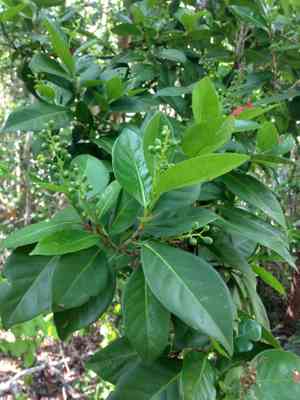
Originating from littoral zones, pigeon plum flourishes in sandy substrates and demonstrates resilience to saline conditions. Appropriate trimming preserves its form and fosters well-being. Perform pruning during its winter resting phase to stimulate development in spring, severing deceased or excessively long branches at their origin to prevent remnants. Reducing density in congested sections enhances air circulation and light penetration, crucial for pigeon plum's vigor. Infrequent pruning is frequently sufficient, supporting the plant's inherent structure and diminishing the likelihood of infestations.
What Are the Benefits of Pruning Pigeon Plum?
What Are the Benefits of Pruning Pigeon Plum?
Trimming pigeon plum promotes robust development and helps maintain its desired form, ensuring a healthy framework and attractive shape. Regular removal of extra branches lowers disease risk, allowing concentrated energy for strong growth.
What Is the Best Time for Pruning Pigeon Plum?
What Is the Best Time for Pruning Pigeon Plum?
Pruning pigeon plum in late winter to early spring is optimal as the plant is typically dormant during this period. This timing avoids disrupting the growth cycle during the active phases of spring and summer when the plant uses energy for leafing out, flowering, and fruiting. Pruning during dormancy helps encourage vigorous growth as the weather warms, without the risk of cutting off emerging buds, which could reduce the season's growth and fruit production. Furthermore, the absence of foliage makes it easier to see the structure of pigeon plum, allowing for more precise cuts, and cooler weather minimizes the risk of disease and pest infestation at the cut sites.
What Tools Do I Need to Prune Pigeon Plum?
Hand Pruners
Essential for making precise cuts on pigeon plum's smaller branches and twigs. Ideal for shaping and removing dead or diseased wood.
Loppers
These are necessary for cutting through thicker branches of pigeon plum that hand pruners cannot handle, providing greater leverage for clean cuts.
Pruning Saw
For the largest branches, a pruning saw will allow gardeners to remove limbs efficiently without causing damage to pigeon plum.
Hedge Shears
Useful for trimming and shaping pigeon plum if it is grown as a hedge, to maintain a neat appearance.
How to Prune Pigeon Plum
Identify
Examine pigeon plum for dead or diseased branches that may harm its growth. Look closely at the color and texture of the branches; dead branches will be brittle and gray, while diseased branches may have discolored bark or visible signs of infection.
Sanitize
Before you begin pruning pigeon plum, clean your pruning tools with a disinfectant solution to prevent the spread of disease. Sterilize the tools again each time you switch from pruning a diseased branch to pruning a healthy one to avoid cross-contamination.
Cut Dead Branches
Using the sterilized pruning tools, carefully cut away dead branches from pigeon plum. Make your cuts at a 45-degree angle just above a lateral branch or bud to promote proper healing and new growth. Be sure to remove the entire dead branch, including its base, to prevent decay from spreading into the main stem.
Remove Diseased Branches
Identify and prune diseased branches from pigeon plum by cutting them back to a healthy section of the branch. If the entire branch is diseased, make the cut at the branch collar near the stem, being careful not to damage the collar itself as it is crucial for wound recovery.
Clean Up
After completing the pruning process on pigeon plum, gather and properly dispose of all the removed branches, especially diseased ones, to prevent them from becoming a source of infection in your garden. Clean and store your tools in a dry place.
Common Pruning Mistakes with Pigeon Plum
Over-Pruning
Removing too much foliage at once can stress pigeon plum, hindering its recovery and growth.
Improper Cutting
Incorrect cutting techniques can lead to jagged wounds that are susceptible to pests and diseases.
Neglecting Tool Hygiene
Using dirty pruning tools can introduce pathogens to pigeon plum, potentially leading to infections.
Disregarding Natural Shape
Pruning against the natural growth habit of pigeon plum can result in an unsightly appearance and harm the plant's structural integrity.
Ignoring Dead Or Diseased Branches
Failure to remove dead or diseased growth can threaten the overall health of pigeon plum, as these can harbor pests and diseases.
Common Pruning Tips for Pigeon Plum
Sharp Tools
Use sharp, clean pruning shears to make precise cuts that will heal quickly and minimize stress to pigeon plum.
Strategic Cutting
Target specific areas for pruning, such as inward-growing branches, to maintain good air circulation and shape pigeon plum.
Gradual Pruning
Prune gradually over time rather than all at once to avoid over-stressing pigeon plum and to better shape the plant.
Follow Branch Angles
Cut at an angle just above a node or bud that faces the direction you want new growth to take, encouraging a pleasing shape for pigeon plum.
Monitor Plant Response
Observe how pigeon plum responds to pruning and adjust your techniques and frequency accordingly to foster robust health and growth.



