How to Transplant Buckwheat tree?
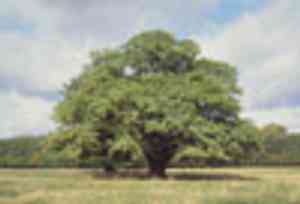
For the buckwheat tree, the most favorable period for relocation extends from early spring to mid-spring, or from the beginning of fall to late fall, to facilitate root development. Choose a location that receives filtered light and possesses sufficient humidity for this enduring plant. A gentle caution: handle its fragile root system with care throughout the procedure.
What Preparations are Needed Before Transplanting Buckwheat Tree?
What is the Ideal Time for Transplanting Buckwheat Tree?
Relocate your buckwheat tree during the pleasant period of mid-to-late spring or the comfortable time of mid-to-late autumn. This timing aligns with natural cycles, providing moderate temperatures and beneficial rainfall, setting the stage for a smooth transition and strong development. Moving buckwheat tree in these seasons utilizes the plant's inherent growth pattern, avoiding the stress of summer heat or winter cold, ensuring your buckwheat tree flourishes with vigor.
How Much Space Should You Leave Between Buckwheat Tree Plants?
When selecting a new spot for your buckwheat tree, ensure each plant has sufficient room to flourish. Aim to space them approximately 10-15 feet (3-4.5 meters) apart to allow their canopies to mature without becoming overcrowded.
What is the Best Soil Mix for Buckwheat Tree Transplanting?
Your buckwheat tree will thrive best in well-drained, acidic soil that mimics its natural environment. Before planting, incorporate some compost or a balanced, slow-release fertilizer to give your buckwheat tree a nutritious start. This will help them establish strong roots in their new location.
Where Should You Relocate Your Buckwheat Tree?
For the healthiest buckwheat tree, select a location where it can receive partial to full sunlight. They are adaptable but will prosper with a balance of light and shade throughout the day. Choose a spot that gets about 4-6 hours of sunlight daily, ideally with some afternoon shade.
What Equipments Should You Prepare Before Transplantation Buckwheat Tree?
Gardening Gloves
To safeguard your hands while handling soil and plants.
Shovel or Spade
For excavating the plant and preparing the new planting site.
Wheelbarrow
To move the buckwheat tree from its original spot to the new area.
Watering Can or Hose
To hydrate the buckwheat tree before and after relocation to minimize shock.
Pruning Shears
To remove any damaged roots or foliage.
Tape Measure
To ensure appropriate spacing between the new hole and other plants or structures.
Stakes and Ties
In case the buckwheat tree requires support after being transplanted.
How Do You Remove Buckwheat Tree from the Soil?
How Do You Remove Buckwheat Tree from the Soil?
From Ground: First, thoroughly water the buckwheat tree plant to moisten the soil. Use a shovel or spade to dig a wide trench around the plant, being careful not to cut into the root ball. Gently work the tool beneath the root ball, and lift the plant from the ground.From Pot: Water the buckwheat tree until the soil is damp. Tilt the pot sideways and tap the bottom to loosen the plant. Pull the plant by its base and carefully ease it out, maintaining the integrity of the root ball.From Seedling Tray: Moisten the soil before gently pushing the buckwheat tree seedling from the bottom of the cell. Hold the seedling by its leaves, not the stem, to prevent damage and carefully separate it from the tray.
Step-by-Step Guide for Transplanting Buckwheat Tree
Site Preparation
Prepare the new location by loosening the soil and clearing away any debris.
Hole Digging
Excavate a hole twice the width and the same depth as the buckwheat tree's root ball.
Root Preparation
Inspect the buckwheat tree's roots, trimming any that are damaged or tangled.
Placement
Position the buckwheat tree in the center of the hole, spreading its roots outwards.
Filling Hole
Backfill the hole with soil, gently firming it down around the buckwheat tree's base to remove air pockets.
Watering
Thoroughly water the buckwheat tree to settle the soil and hydrate its roots.
Mulching
Apply mulch around the base of the buckwheat tree, leaving a small gap around the stem to prevent rot.
Staking
If the buckwheat tree is unstable, insert stakes around the plant and loosely tie them to the stem for support.
How Do You Care For Buckwheat Tree After Transplanting?
Initial Watering
Water the buckwheat tree deeply right after transplanting to help lessen transplant shock.
Regular Watering
Maintain consistent soil moisture, watering whenever the top inch feels dry to the touch.
Monitoring for Stress
Watch for signs of transplant shock, such as wilting or discolored leaves, and address them promptly.
Adjusting Ties
Check and adjust any stakes and ties to ensure they are not too tight as the buckwheat tree grows.
Pruning
Remove any dead or damaged foliage to direct the buckwheat tree's energy towards establishing new roots.
Troubleshooting Common Issues with Buckwheat Tree Transplantation.
What's the best time to transplant buckwheat tree from one location to another?
The ideal period is during mid-spring to late spring or mid-fall to late fall for lower plant stress.
How much space is needed between transplanted buckwheat trees for healthy growth?
Ensure a spacing of 10-15 feet (3-4.5 meters) between each buckwheat tree to promote ample growth.
What are the signs I've watered my newly transplanted buckwheat tree too much?
Look for yellowing leaves or a wilted appearance, which suggest that you may be overwatering your buckwheat tree.
How do I know if my buckwheat tree isn't getting enough water post-transplant?
Drooping leaves and dry soil indicate your buckwheat tree needs more water to establish its root system.
Can I transplant buckwheat tree in summer or winter?
It's best to avoid extreme seasons. Summer heat and winter cold can shock buckwheat tree and hinder its establishment.
What should I do if my buckwheat tree shows transplant shock symptoms?
Provide consistent moisture and shade, avoid fertilizers, and let your buckwheat tree acclimate naturally.
Which type of soil is best for transplanting buckwheat tree?
A well-draining, acidic soil with organic matter is ideal for buckwheat tree to thrive after transplanting.
How deep should I dig to transplant my buckwheat tree?
The new hole should be as deep as the root ball and twice as wide to give roots space.
Is there a specific technique for removing buckwheat tree from its current spot?
Yes, carefully dig around the root ball, preserving as much root system as possible, and gently lift the buckwheat tree.
When should I fertilize my transplanted buckwheat tree?
Wait until your buckwheat tree has adjusted to its new location, typically a year after transplanting, before fertilizing.



