Enhancing Your Garden Design with the Buckwheat tree Plant: A Landscaping Guide
1
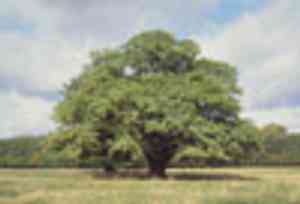
The buckwheat tree provides continuous aesthetic appeal, making it a superb inclusion for any garden space.
2
This species flourishes in soil that drains effectively and receives ample sunlight, though it can endure some shade.
3
Buckwheat trees complement other bushes nicely and are suitable for establishing organic boundaries or prominent features within your outdoor area.
Understanding the Role of Buckwheat tree in Landscaping
Explore the visual appeal of Buckwheat tree
A primary reason gardeners favor the Buckwheat tree is its aesthetic charm. With its abundant, verdant leaves and delicate blossoms, it imparts sophistication to any garden. The plant's fine texture and vivid hue can offer a striking contrast to plants with coarser textures. During its flowering period, the scent and color of its blooms will captivate any observer, making the Buckwheat tree a prominent feature in your outdoor space.
Benefits of adding Buckwheat tree to your garden
The Buckwheat tree is more than just an attractive garden specimen. It offers several advantages that make it a valuable addition to your landscape. Firstly, it acts as a natural magnet for wildlife, attracting pollinators like bees and butterflies, which are vital for maintaining a healthy garden ecosystem. Furthermore, the Buckwheat tree functions as a natural screen or windbreak, offering seclusion and defense from the elements. This plant also requires relatively little upkeep, making it perfect for gardeners seeking a beautiful yet effortless addition to their garden.
Where to Plant Buckwheat tree in Your Garden
Best locations for Buckwheat tree considering sunlight and soil
Buckwheat tree thrives best in well-drained soil and full sunlight but can also adapt to partial shade. When choosing a location to plant, consider spots where the plant will receive at least six hours of direct sunlight per day. The soil should be slightly acidic to neutral, and having good drainage will prevent root rot. Avoid planting Buckwheat tree in areas that remain waterlogged or are prone to pooling water.
Design Ideas for Buckwheat tree in Landscape
Creating focal points with Buckwheat tree
Establishing focal points in your garden is an excellent method to draw attention and provide structure to the area, and the Buckwheat tree is ideal for this purpose. Position it in prominent spots where its beauty can be fully appreciated, such as near garden benches, alongside paths, or at the center of flower beds. Its striking foliage and seasonal blooms naturally create a focal point and can anchor the surrounding plants.
Using Buckwheat tree for borders and screens
If you're looking to establish natural boundaries or screens in your garden, the Buckwheat tree is an excellent option. It can develop into dense formations, making it an effective privacy screen. Plant it along the edges of your property or around patios and seating areas to create a tranquil, enclosed atmosphere. Additionally, utilizing the Buckwheat tree as a border can help delineate different sections of your garden, adding a sense of order and structure to the overall landscape design.
Seasonal Considerations for Buckwheat tree
What to expect from Buckwheat tree through the seasons
One of the benefits of incorporating the Buckwheat tree into your garden is its continuous visual appeal throughout the year. In spring and summer, you can enjoy its lush foliage and beautiful flowers. During autumn, its leaves may change color, adding a new dynamic to your landscape. Even in winter, the Buckwheat tree's evergreen nature ensures it continues to bring a touch of green to your garden, standing resilient against the colder months.
Preparing Buckwheat tree for different weather conditions
The Buckwheat tree is quite resilient, but it's still important to prepare it for seasonal changes. During hot summers, ensure it receives ample water, especially if rainfall is scarce. Applying mulch around its base can help retain moisture and keep roots cool. In winter, while the Buckwheat tree is generally frost-tolerant, covering the plant during extreme cold snaps can prevent potential damage. Regular pruning will also help maintain its shape and health, ensuring it remains a robust part of your landscape year-round.



