How to Prune Buckwheat tree?
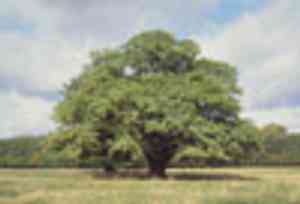
Originating from southeastern wetlands, this perennial bush showcases fragrant foliage and white blossoms. For buckwheat tree, remove any lifeless or ailing limbs, prioritizing the preservation of its form and fostering adequate airflow. The most effective time for trimming is during the winter period when the plant is inactive. Refrain from extensive cutting, as this can lead to elongated, sparse development. Pruning improves the plant's aesthetic appeal and could stimulate a more abundant floral display in the subsequent year.
What Are the Benefits of Pruning Buckwheat Tree?
What Are the Benefits of Pruning Buckwheat Tree?
Trimming buckwheat tree stimulates robust development and assists in preserving its desired form. Eliminating old or dense growth allows sunlight to reach inner foliage, thereby fostering a healthier, more attractive appearance.
What Is the Best Time for Pruning Buckwheat Tree?
What Is the Best Time for Pruning Buckwheat Tree?
Pruning buckwheat tree during late winter enables the plant to recover from cuts before spring growth commences, lessening stress. This period also offers clearer visibility of the plant's structure without leaves, ensuring more accurate cuts. Furthermore, pruning before spring helps avoid removing new buds, which could reduce the buckwheat tree's blooming potential. Lastly, the dormant state of buckwheat tree in winter minimizes the risk of disease transmission and pest infestations attracted to fresh wounds.
What Tools Do I Need to Prune Buckwheat Tree?
Hand Pruners
Perfect for making clean cuts on buckwheat tree's smaller branches and twigs. Choose bypass pruners over anvil types for a gentler cut that promotes faster healing.
Loppers
Required for cutting thicker branches of buckwheat tree that hand pruners cannot manage. Loppers provide the necessary leverage to trim branches up to 1 1/2 inches in diameter with minimal effort.
Pruning Saw
A pruning saw is essential for removing any large, mature branches from buckwheat tree. A curved blade model is effective for making clean cuts on thicker branches without causing damage to the remaining structure.
Pole Pruner
For reaching higher branches of buckwheat tree without needing ladders, which is safer and more convenient. This tool combines a saw and a lopper on an extendable pole for cutting branches several feet off the ground.
Shears
Useful for shaping buckwheat tree to encourage bushier growth or to maintain a desired form. Hedge shears or sharp gardening shears can trim softer shoots and smaller branches effectively.
How to Prune Buckwheat Tree
Sterilize Tools
Before beginning, sanitize all pruning tools with alcohol or bleach solution to prevent the spread of disease to buckwheat tree.
Inspect
Examine buckwheat tree thoroughly to identify all dead and diseased branches that require removal. Look for any branches that appear discolored, withered, or covered in fungal growth.
Cut Diseased Branches
Using sharpened pruning shears, make clean cuts to remove diseased branches. Cut back to healthy tissue, ensuring that no diseased portions are left on buckwheat tree. Dispose of these branches properly to avoid contamination.
Cut Dead Branches
Remove dead branches by cutting them at the point where they meet healthy wood. Avoid tearing or stripping the bark, which could harm buckwheat tree.
Thin Crown
If deemed necessary, thin the crown to improve air circulation. Carefully select a few branches to cut back to their origin, promoting better health and growth for buckwheat tree.
Common Pruning Mistakes with Buckwheat Tree
Overpruning
Removing too much foliage at once can stress buckwheat tree, leading to poor growth or reduced flowering. Aim to remove no more than one-third of the plant's overall volume at a time.
Flush Cuts
Making flush cuts against the main stem or branches can damage buckwheat tree. Instead, cut just above the branch collar to encourage proper healing and reduce the risk of disease.
Improper Tools
Using dull or dirty pruning tools can cause unnecessary injury to buckwheat tree, as clean and sharp tools make precise cuts and minimize harm.
Neglecting Deadwood
Failing to regularly remove dead or diseased wood can lead to pest infestations and overall health decline in buckwheat tree.
Pruning Without A Plan
Random or aimless cuts can result in an unsightly appearance and negatively affect the growth pattern of buckwheat tree. Plan your approach to maintain the natural form of the plant.
Common Pruning Tips for Buckwheat Tree
Selective Thinning
Prune buckwheat tree selectively to thin out crowded branches, which improves air circulation and light penetration, essential for the health and vigor of the plant.
Maintain Natural Shape
Focus on preserving the natural shape of buckwheat tree when pruning. Identify and follow the plant's growth patterns for a more aesthetically pleasing result.
Sterilize Tools
Clean and sterilize all pruning tools before use to prevent the spread of diseases between plants. This is critical to maintain the health of buckwheat tree.
Proper Cut Angles
Make cuts at a 45-degree angle to prevent water accumulation, which can lead to rot and disease in buckwheat tree. Ensure that the lowest point of the cut is opposite the bud to direct growth outward.
Monitoring Regrowth
After pruning, monitor buckwheat tree for vigorous regrowth, also known as 'water sprouts'. These can be pruned as needed to maintain the desired shape and prevent excessive competition for resources.



