How to Propagate Buckwheat tree?
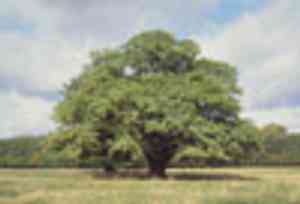
Originating from the southeastern regions of the United States, the buckwheat tree can be successfully multiplied via cuttings. Begin with robust, partially matured stems. Verify that the cuttings possess adequate length and incorporate multiple nodes from which roots can emerge. Employing a rooting stimulant can boost successful outcomes, and sustaining elevated humidity along with steady dampness is crucial. After roots have formed, progressively introduce the young buckwheat tree to less regulated environments prior to relocating it to its final spot.
What Is the Best Time To Propagate Buckwheat Tree?
Propagation Type
Cutting
Propagation Season
Autumn,Winter
What Tools Are Used in Buckwheat Tree Propagation?
Sharp pruning shears
Crucial for making clean, precise cuts from buckwheat tree. Sharp blades minimize harm to the parent plant and the cutting, aiding better healing and rooting.
Rooting hormone powder
Boosts root growth in buckwheat tree's cuttings. Applying rooting hormone to the fresh stem ends significantly improves the likelihood of successful rooting, vital for delicate species like buckwheat tree.
Sterile potting mix
Offers a germ-free environment for buckwheat tree's roots to develop. The mix should drain well yet retain enough moisture, supporting the fragile initial stages of root formation.
Propagation trays
Organizes buckwheat tree cuttings, ensuring consistent care and easy management. These trays should provide adequate drainage and support to prevent mold and root rot.
Humidity dome
Maintains a high-humidity atmosphere around buckwheat tree's cuttings to prevent moisture loss. This is especially beneficial for increasing survival rates during the crucial rooting phase.
Heating mat
Keeps the soil at an optimal temperature to encourage root development in buckwheat tree. This is particularly important in colder climates or months, as root growth in cuttings may slow without extra warmth.
How to Propagate Buckwheat Tree?
Propagation Type
Moderately Difficult
How to Care for Your Newly Propagated Buckwheat Tree?
How to Care for Your Newly Propagated Buckwheat Tree?
After successful propagation, gradually expose buckwheat tree to more direct sunlight to encourage hardening. Continue to ensure the soil is moist but well-drained. As buckwheat tree is sensitive to overly wet conditions, monitor soil moisture closely. Transition buckwheat tree to its permanent location once it is robust, maintaining similar care conditions as during the initial propagation phase.
Common Mistakes to Avoid When Propagating Buckwheat Tree
Over-watering
Excessive moisture can lead to root rot in buckwheat tree, which is harmful as it hinders the plant's ability to absorb nutrients and can ultimately result in the death of the propagating material.
Using non-acidic soil
Buckwheat tree thrives in acidic soil conditions. Using alkaline or neutral soil can impede its growth by preventing it from absorbing essential nutrients like iron and manganese.
Poor cutting selection
Choosing weak, diseased, or non-vigorous parts of buckwheat tree for propagation can result in poor rooting and weak new growth, reducing the overall success rate of propagation.
Tips For Propagating Buckwheat Tree
Acidic soil preparation
Prepare a soil mix with high acidity, ideally with a pH between 4.5 and 5.5, to promote healthy root development and nutrient absorption in buckwheat tree.
Humidity and warmth control
Maintain a high humidity level and stable warmth around the propagating environment to encourage rooting and reduce stress on buckwheat tree cuttings.
Healthy stem selection
Select healthy, disease-free stems from a vigorous part of buckwheat tree for cutting. This increases the chances of successful root development and strong new plant growth.



