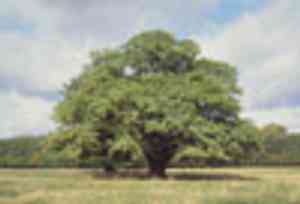
Buckwheat tree (Cliftonia monophylla)
Also known as: Buckwheat Tree, Titi
The buckwheat tree (Cliftonia monophylla) is an evergreen shrub or small tree, typically reaching heights of 10 to 30 feet. Native to the southeastern United States, it features dark green, leathery leaves and blooms with clusters of fragrant white or pinkish flowers, which attract butterflies and bees. It thrives in acidic, wet soils commonly found in coastal plains and wetlands of states like Alabama, Georgia, and Florida. Additionally, its dense wood is valued for crafting tool handles and smoking meat.
In This Article
Attributes of Buckwheat tree
Lifespan
Perennial
Plant Type
Tree, Shrub
Plant Height
3.5 m to 4.5 m
Spread
2.5 m to 3 m
Leaf Color
Green
Flower Size
2.5 cm
Flower Color
White Pink
Images of Buckwheat tree
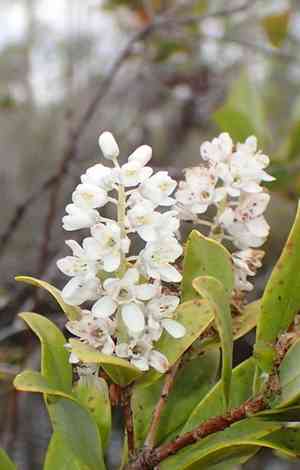
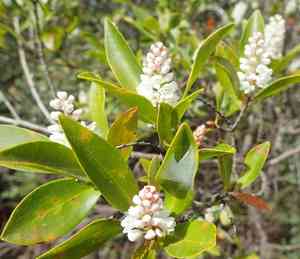
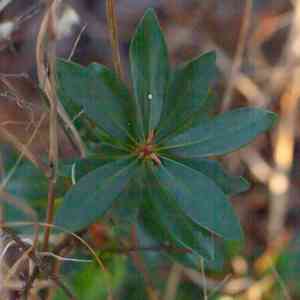
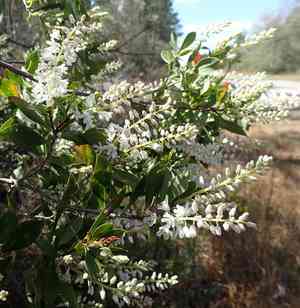
Quickly Identify Buckwheat tree
1
Crooked, multi-stemmed stature reaching 18-45 feet (5.5-13.7 meters)
2
White to pink fragrant flowers in clusters, 2 1/2 to 3 1/2 inches (6-9 cm)
3
Distinctive five-winged drupe fruit with yellowish hue and central seed
4
Opposite, glossy dark green leaves, 1-2 inches (2.5-5 cm) long with shiny texture
5
Upright racemes with prominent orange anthers, significant nectar source for bees
Scientific Classification of Buckwheat tree
Phylum
Vascular plants
Class
Dicotyledons
Order
Ericales
Family
Cyrillas
Genus
Cliftonia
Species
Buckwheat tree
Planting and Growing of Buckwheat tree
Care Difficulty
Easy
Watering Schedule
Every 2 days
Sunlight Requirements
Full sun
Sunshine Duration
4-8 hours
Ideal Temperature
60-75℉
Soil Type
Potting Mix, Peat Mix
Soil pH
6.5-7.5
Fertilizer Type
Balanced
Pruning Season
Spring, Summer
Pruning Area
Branches, Leaves
Pruning Frequency
2 times a year
Repotting Season
Spring
Pot Type
Plastic, Ceramic
 How to Water Buckwheat tree?
Cliftonia monophylla, known for its tolerance to wet soil, requires thorough watering to reach the root zone. Aim for 500 ml per session to ensure moisture reaches deep without causing root rot. Consistency is the key.
What are the symptoms of an underwatered Buckwheat tree?
›
What should I do if my Buckwheat tree is not getting enough water?
›
What are the symptoms of an overwatered Buckwheat tree?
›
How to save an overwatered Buckwheat tree?
›
 What Are the Sunlight Requirements for Buckwheat tree?
Cliftonia monophylla ideally requires half to full sun exposure. This ensures robust photosynthetic activity and healthy pigmentation. Adequate light energizes the plant, leading to consistent blooming and sturdy growth.
More About Sunlight Requirements Techniques→
What type of light does Cliftonia monophylla prefer?
›
How can I ensure Cliftonia monophylla gets ideal light exposure?
›
What benefits come from ideal lighting for Cliftonia monophylla?
›
 What Is the Ideal Temperature Range for Buckwheat tree?
The ideal temperature range for Cliftonia monophylla is between 60°F and 75°F. This range allows the plant to thrive by promoting optimal physiological activities. Staying within these temperatures can help in achieving vibrant bloom and healthy foliage growth.
 What Soil is Best for Buckwheat tree?
Cliftonia monophylla thrives in well-draining soils that prevent waterlogging. Adequate drainage ensures the plant's roots get enough oxygen, reducing risk of root rot and promoting healthy growth. The plant benefits from soils rich in organic matter, which can be achieved by mixing compost or well-rotted manure. Such soils support sustained growth and lush foliage by providing essential nutrients. Preferring slightly acidic conditions, Cliftonia monophylla grows well in soil with pH between 6.5 and 7.5. This range helps in optimal uptake of nutrients, enhancing flowering and overall vitality.
 How to Fertilize Buckwheat tree?
Cliftonia monophylla, commonly known as the buckwheat tree, requires careful attention to fertilizing amounts. Typically, you should use a balanced 10-10-10 or 20-20-20 fertilizer for liquid applications, diluting it at half-strength to avoid nutrient burn. For solid slow-release fertilizers, apply just enough to cover the root zone lightly without clumping the granules, as they release nutrients over time.
 How to Prune Buckwheat tree?
Start by identifying the dead or diseased branches of Cliftonia monophylla and using clean, sharp pruning shears, carefully remove them to prevent the spread of disease. Focus on branches that are crossing or rubbing against each other as they can cause damage over time. Trim them back to a point just above a bud or leaf node to encourage new growth. To shape your Cliftonia monophylla, create a balanced look by cutting back overly long branches to maintain a symmetrical form. Ensure you step back frequently to assess the overall shape as you prune. This helps in achieving a visually pleasing silhouette and encourages even light distribution across the plant, which is essential for healthy development.
More About Pruning Techniques→
 How to Propagate Buckwheat tree plant?
1
Begin by soaking seeds in lukewarm water for 24 hours to soften the seed coat and encourage germination. This is especially helpful if you are dealing with seeds that have a tough exterior.
2
Select a healthy, non-flowering stem around 6 inches long. Using sterilized pruning shears, make a clean cut just below a node, where new roots are likely to form.
3
Dip the cut end of the stem cutting in rooting hormone powder. This stimulates root development and increases the chances of successful propagation.
 How to Repot Buckwheat tree plant?
1
Repot Cliftonia monophylla when you notice signs of being root-bound, such as roots growing out of the drainage holes or the plant's growth being stunted. The optimal time for repotting is during the active growing seasons of spring or summer, ensuring the plant has enough time to adjust before any dormancy.
2
Select a pot that is 1-2 inches larger in diameter than the current one. Ensure that it has adequate drainage holes to prevent waterlogging, which is crucial for the plant’s root health. A slightly larger pot provides room for root expansion, promoting healthy growth.
3
Opt for a well-draining acidic soil mix to mimic the plant's natural habitat. This mix ensures the roots do not stay too wet, preventing root rot. Using an acidic mix will also enhance nutrient uptake, vital for the plant's overall health.
Learn More About Buckwheat tree Diseases
Anthracnose
Bacterial Leaf Spot
Bacterial Wilt
Crown Gall
Cyst Nematode
Damping-off
Downy Mildew
Drought Stress
Fusarium Wilt
Gray Mold
Leaf Spot
Mosaic
Nutrient Deficiency
Nutrient Toxicity
Powdery Mildew
Root Rot
Root-knot Nematode
Rusts
Sooty Mold
Spider Mites
Temperature Stress
Thrips Damage
White Mold



