How to Transplant Old man's beard?
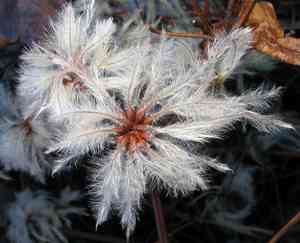
The optimal window for relocating old man's beard spans from late spring to mid-summer, capitalizing on its robust development. Select a location offering dappled sunlight and soil that drains effectively. Careful manipulation is crucialâsafeguard the fragile root structure to ensure a prosperous transfer.
What Preparations are Needed Before Transplanting Old Man's Beard?
What is the Ideal Time for Transplanting Old Man's Beard?
The optimal period for relocating old man's beard spans from late spring to early summer, when conditions favor vigorous development, ensuring a smooth transition for this resilient perennial.
How Much Space Should You Leave Between Old Man's Beard Plants?
For old man's beard plant, position each specimen approximately 5-10 feet (1.5-3 meters) apart. This provides ample room for growth without overcrowding, ensuring sufficient access to vital nutrients and water from the soil.
What is the Best Soil Mix for Old Man's Beard Transplanting?
Give your old man's beard the best possible start by preparing the soil appropriately. Utilize well-draining soil and incorporate compost or a general-purpose fertilizer at the time of planting. This establishes a nutrient-rich foundation for your green companion.
Where Should You Relocate Your Old Man's Beard?
Select a location where your old man's beard will receive full sun to partial shade. Remember, an ideal spot allows the plant to enjoy morning sun but avoids the more intense, direct sunlight of the afternoon. Happy planting!
What Equipments Should You Prepare Before Transplantation Old Man's Beard?
Gardening Gloves
To safeguard your hands while handling soil and the plant.
Shovel or Spade
Aids in excavating the old man's beard from its original spot and creating the new planting hole.
Pruning Shears
For trimming and managing the plant's growth.
Garden Cart or Wheelbarrow
Useful for transporting the plant, especially if it is a large specimen.
Watering Can or Hose
For hydrating the plant before and after its removal.
Garden Stakes or Trellis
Old man's beard is a climber and will require support structures, particularly as it matures.
How Do You Remove Old Man's Beard from the Soil?
How Do You Remove Old Man's Beard from the Soil?
From Ground: Begin by thoroughly watering the old man's beard to soften the surrounding soil. Dig a wide circular trench around the plant using a spade or shovel, ensuring the root ball remains intact. Gently work the spade beneath the root ball to lift the plant. Avoid damaging the rootball for successful re-plantation.From Pot: Start by watering the plant, then carefully tilt the pot sideways, and use your fingers to loosen the soil while slowly sliding the plant out. Be cautious not to pull too forcefully on the stems.From a Seedling Tray: Water the seedlings first. Then, use a small spoon or your fingers to gently loosen soil around the base of the old man's beard seedling, taking care not to harm the delicate roots. Lift the seedling by its leaves, not by the stem or roots.
Step-by-Step Guide for Transplanting Old Man's Beard
Preparation
Begin by watering the old man's beard in its current location. This facilitates removal and enhances its chances of surviving the transplanting process.
Digging Up
Carefully excavate the old man's beard, ensuring no harm comes to the root system. Retain as much soil with the roots as possible.
Prep New Site
Dig a hole approximately twice the size of your plant's root system. This is where your old man's beard will be replanted.
Placement
Position the plant in the prepared hole, arranging it so that the root system is gently spread out.
Refilling
Backfill the hole with some of the previously excavated soil, gently patting it around the base of the old man's beard to secure it. Avoid compacting the soil excessively, as this could hinder root respiration.
Watering
Water the newly transplanted old man's beard immediately to help it settle into its new environment.
How Do You Care For Old Man's Beard After Transplanting?
Pruning
Trim back the old man's beard after planting to encourage denser growth. Remember to sanitize your pruning shears before and after use.
Watering
Following the transplant of old man's beard, it's crucial to maintain appropriate moisture levels. Therefore, keep the soil consistently moist but not waterlogged for the initial few weeks. This aids in establishing robust roots.
Ongoing Support
Old man's beard is a climbing plant, so always ensure that trellises or support frames are sturdy and strong. Promptly repair or replace any damaged components.
Pest and Disease Monitoring
Regularly inspect your old man's beard for indications of pests and diseases. Early detection can simplify management and minimize potential harm.
Troubleshooting Common Issues with Old Man's Beard Transplantation.
When should I transplant old man's beard?
The ideal period to move old man's beard is from late summer to early autumn (S3-S5). This allows it to become established before the onset of cold weather.
What's the suitable spacing for old man's beard while transplanting?
For optimal growth, ensure a generous spacing of approximately 5-10 feet (1.5-3 meters) between each transplant. This provides old man's beard ample room to spread without overshadowing nearby plants.
How deep should I dig the hole for my old man's beard transplant?
The hole should ideally be twice as wide and deep as the plant's root ball. This provides the roots sufficient space to expand and become established.
What soil condition does old man's beard prefer for transplantation?
Old man's beard thrives in well-drained soil, neither too dry nor too wet. Incorporating organic compost into the planting site can enhance soil texture and fertility.
How do I care for old man's beard immediately after transplantation?
After transplanting, water old man's beard thoroughly but avoid saturating the soil. Monitor the plant's health and provide support for climbing if necessary.
Can old man's beard be transplanted while blooming?
No, refrain from transplanting old man's beard during its blooming phase as this can stress the plant and negatively impact its growth. Transplanting is best performed when the plant is dormant.
How should I prepare old man's beard for transplantation?
Water old man's beard thoroughly the day before relocating it. This ensures the roots remain hydrated, making the transplant process less traumatic for the plant.
What to do if old man's beard doesn't show growth after transplantation?
Do not be overly concerned. Old man's beard may require some time to establish itself after being moved. However, ensure it is adequately watered and that soil conditions are appropriate.
How often should old man's beard be watered after transplanting?
Water old man's beard generously after transplanting, then regularly about once a week. You may need to water more frequently during hot, dry periods.
How to ensure old man's beard survives winter after transplantation?
After transplanting, old man's beard should be heavily mulched in its first winter. This insulates the roots, protects them from cold, and helps the plant survive the winter.



