Enhancing Your Garden Design with the Old man's beard Plant: A Landscaping Guide
1
Old man's beard adds distinct textures and aesthetic appeal to garden layouts.
2
It finds successful application in contemporary and classic landscape settings.
3
Caring for Old man's beard is simple and extends the life of your garden.
Introducing Old man's beard in Landscape Design
Appreciating the distinct beauty of Old man's beard
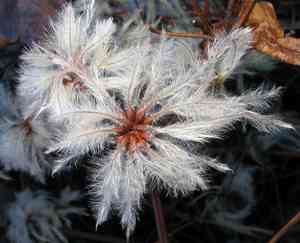
For garden planning, incorporating Old man's beard offers a unique visual appeal that can transform any outdoor area. This plant provides a flowing effect with its delicate foliage and flower clusters, adding a touch of whimsical charm. Its ability to gracefully drape over structures or spill from containers makes it a flexible option for various landscaping styles. The singular look of Old man's beard distinguishes it from other garden plants and can serve as a lovely, natural backdrop in your garden.
Typical applications of Old man's beard in garden settings
There are many ways to integrate Old man's beard into your garden. This plant is frequently used to conceal unattractive walls or fences, offering a lush, green background that can soften the harsh lines of your outdoor space. Additionally, Old man's beard is an excellent choice for pergolas and trellises, where its climbing nature and blooming flowers create stunning vertical displays. Gardeners also enjoy using Old man's beard in mixed borders and pots, where it can add height and texture. Adaptable enough for both formal and informal gardens, Old man's beard blends seamlessly with a wide array of plant species.
The advantages of including Old man's beard in your landscape
There are several advantages to adding Old man's beard to your garden. Primarily, its aesthetic appeal; Old man's beard instantly elevates the look of any landscape. It also offers ecological benefits, providing habitat and sustenance for various pollinators like bees and butterflies. Furthermore, Old man's beard requires relatively little upkeep, making it an excellent choice for both new and experienced gardeners. Its vigorous growth habit means it can quickly cover large areas, making it perfect for erosion control on slopes or other challenging spots in your yard. Lastly, the plant's adaptability to different environmental conditions enhances its value in diverse garden environments.
Design Principles for Integrating Old man's beard
Harmonizing color and texture with Old man's beard
A crucial aspect of garden design is balancing color and texture, and Old man's beard excels here. The plant's vibrant green foliage complements various other plants, creating a balanced color scheme in your garden. To boost visual interest, pair Old man's beard with plants that have contrasting leaf shapes and colors. For instance, dark-leaved plants or brightly colored blooms can create a striking contrast that captures attention. By using Old man's beard as a foundation or background, you can create a garden that feels both unified and lively.
Establishing focal points using Old man's beard
Old man's beard can be instrumental in creating focal points within your garden. Whether you're aiming for a prominent feature or a subtle accent, this plant's climbing habit allows it to gracefully frame entrances, windows, and garden paths. For a dramatic effect, consider training Old man's beard over an archway or a garden gate. Its cascading flowers and vines create a natural, eye-catching embellishment that will captivate visitors. Additionally, using Old man's beard to highlight specific areas of your garden can direct the viewer's gaze and make the overall design more engaging.
Companion plants and Old man's beard pairings
For a successful garden design, it's vital to select companion plants that accentuate the beauty of Old man's beard. Consider pairing Old man's beard with perennials, shrubs, and ornamental grasses that either harmonize with or contrast against its foliage and blossoms. For instance, lavender, with its purple flowers and silvery leaves, makes an excellent companion plant. Hostas and ferns, known for their lush greenery, can also complement Old man's beard well. By carefully choosing plants that enhance Old man's beard's natural charm, you can create a cohesive, aesthetically pleasing garden layout.
Maintaining Old man's beard in Your Landscape
Seasonal considerations for Old man's beard
Understanding the seasonal requirements of Old man's beard is crucial for maintaining its health and vibrancy. In spring, new growth will emerge, and it's a good time to ensure the soil is enriched with compost or fertilizer. By summer, Old man's beard will be in full bloom, showcasing its most visually impressive phase. During autumn, some trimming may be necessary to prepare the plant for winter. Although Old man's beard is relatively hardy, applying a layer of mulch can help protect its roots from freezing temperatures, ensuring it returns vigorously in the spring.
Basic care and pruning
Maintaining Old man's beard involves consistent watering, especially during dry periods, and occasional trimming to manage its growth. It's best to prune Old man's beard in late winter or early spring before new growth begins. Remove any dead or damaged stems to encourage healthy blooms and to keep the plant neat. Training the vines along supports can prevent them from becoming too unruly. By adhering to a regular maintenance schedule, you will ensure that Old man's beard remains a stunning feature in your garden year-round.
Longevity and vitality of Old man's beard
Ensuring the longevity and health of Old man's beard involves monitoring for pests and signs of disease. While generally robust, Old man's beard can sometimes be affected by aphids or mildew. Implementing organic pest control methods and ensuring good air circulation can mitigate these issues. Furthermore, regularly enriching the soil and providing adequate water will keep Old man's beard thriving. A healthy, well-maintained Old man's beard not only enhances your garden's beauty but also contributes to a healthy garden ecosystem.
Creative Ideas Using Old man's beard for Inspiring Gardens
Innovative arrangement styles with Old man's beard
Thinking creatively with Old man's beard can lead to truly imaginative garden arrangements. Imagine Old man's beard cascading over a garden wall to simulate a green waterfall or intertwining it among rustic trellises for a vintage appeal. Integrating Old man's beard in such innovative ways not only maximizes its aesthetic potential but also brings a unique character to your garden. Creative use of Old man's beard can transform ordinary garden elements into extraordinary landscape features.
Examples of themed gardens using Old man's beard
Themed gardens can be an exciting way to showcase Old man's beard. For example, a cottage garden theme could utilize Old man's beard for its informal, sprawling growth habit paired with old-fashioned flowers like roses and hollyhocks. In a modern, minimalist garden, Old man's beard can inject a touch of wildness and texture against sleek, hardscaped elements. Using Old man's beard within a specific theme not only provides structure but also enhances the thematic elements, making the garden feel cohesive and well-thought-out.
Tips for DIY projects featuring Old man's beard
Incorporating Old man's beard into DIY garden projects can be both fun and rewarding. Consider making your own trellis or garden obelisk to support the climbing vines of Old man's beard. These structures can become focal points in your garden, showcasing your creativity and enhancing the plant's beauty. Additionally, you can create vertical gardens or living walls with Old man's beard, making the most of limited spaces. Simple projects like these not only beautify your garden but also provide a personal touch that reflects your gardening style.



