The Old man's beard Plant Advantage: Maximizing Home and Office Appeal and Wellness
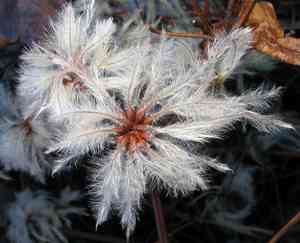
1
Recognized for its swift development, Old man's beard readily blankets fences, walls, and arbors, improving visual appeal.
2
The foliage and stalks of Old man's beard enrich soil quality through the introduction of organic material.
3
Drawing in pollinators, Old man's beard fosters ecological diversity within your garden.
How Can Old man's beard Enhance Your Garden's Visual Appeal?
Swift Growth and Coverage
A key attractive feature of Old man's beard is its quick growth rate. In just a few seasons, this robust climbing plant can cover significant areas, making it perfect for rapidly transforming unattractive fences, walls, and arbors into lush green focal points. Its abundant foliage and delicate white blooms lend an air of grace and charm to any garden setting, fostering a visually pleasing atmosphere.
Adaptability in Garden Design
Old man's beard offers remarkable flexibility, enabling gardeners to explore diverse landscape designs. Whether you aim to establish a natural privacy screen, a shaded sanctuary, or even an archway, Old man's beard can be trained and trimmed to suit various garden layouts. Its versatility makes it a favorite among landscape designers and gardening enthusiasts seeking to introduce an organic and dynamic element to their projects.
What Environmental Advantages Does Old man's beard Provide?
Soil Health Improvement
Beyond its aesthetic contribution, Old man's beard plays a vital role in maintaining soil health. Its decaying leaves and stems enrich the soil with organic matter, enhancing its structure and boosting its fertility. This natural process improves the soil's capacity to retain moisture and nutrients, creating a more favorable environment for other plants to flourish.
Pollinator Support
Old man's beard attracts various pollinators, including bees, butterflies, and birds. By cultivating Old man's beard in your garden, you offer a valuable food source and habitat for these crucial creatures. Supporting pollinator populations is essential for preserving biodiversity and ensuring the successful reproduction of numerous plant species, both in natural and cultivated environments.
How Does Old man's beard Contribute to Ecosystem Stability?
Erosion Prevention
The extensive root system of Old man's beard makes it effective in preventing soil erosion. By stabilizing the soil, it helps guard against surface runoff and lessens the risk of landslides or soil displacement. This characteristic is particularly beneficial in regions prone to heavy rainfall or on sloped terrains where erosion can be a persistent issue.
Habitat Creation
Old man's beard offers shelter and nesting sites for various wildlife species. Its dense foliage provides protection to small mammals, birds, and insects, forming a mini-ecosystem within your garden. This addition of habitat complexity promotes a balanced ecological environment, where diverse species can coexist and thrive.
What Are the Optimal Methods for Cultivating Old man's beard?
Planting and Care Recommendations
For successful cultivation of Old man's beard, selecting the appropriate planting location is crucial. Choose a spot with well-draining soil and access to full or partial sunlight. Once planted, consistent watering and occasional trimming will ensure vigorous growth and health. Although Old man's beard requires relatively little maintenance, providing support structures like trellises or arbors will guide its growth and prevent it from becoming unruly.
Managing Proliferation
Due to its rapid growth, Old man's beard can sometimes spread beyond its intended area. To control its spread, regular pruning and monitoring are essential. Cutting back the plant in late winter or early spring will keep it in check and encourage denser, healthier growth. For those concerned about its invasive potential, installing root barriers or selecting specific cultivars with more manageable growth habits can mitigate this issue.



