How to Prune Old man's beard?
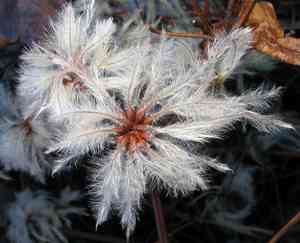
Recognized for its robust climbing nature and abundance of aromatic, off-white blossoms, Clematis vitalba greatly benefits from deliberate trimming. The most effective pruning should occur in early spring or during winter, while the plant is inactive. Eliminate any deceased or frail stems, and shorten the prior year's development to robust buds, fostering a sound framework and revitalization. This method improves blooming, sustains the preferred dimensions, and stops Clematis vitalba from spreading aggressively.
Advantages of Trimming Old Man's Beard
Advantages of Trimming Old Man's Beard
Trimming old man's beard promotes more blossoms, stimulates vigor, and maintains a defined form. Strategic cuts enhance plant health and visual appeal while managing its spreading habit.
Optimal Period for Trimming Old Man's Beard
Optimal Period for Trimming Old Man's Beard
Trimming old man's beard in early spring, just prior to active growth, allows the gardener to shape the plant with minimal harm and stress to old man's beard. This timeframe is when the plant's stored energy is highest for supporting new growth after pruning. Late winter is also suitable, as the plant is dormant, reducing sap loss and disease risk. During these times, the lack of leaves offers better visibility for precise cuts. Additionally, this timing aligns with the growth cycle to encourage abundant flowering for the upcoming season, as old man's beard typically blooms on the current year's growth.
Tools Required for Trimming Old Man's Beard
Hand Pruners
Perfect for precise cuts on old man's beard's thinner stems, suitable for deadheading and light shaping. Hand pruners offer the accuracy needed to selectively remove parts of the plant without harming others.
Loppers
Appropriate for cutting through thicker stems of old man's beard that hand pruners cannot manage. The long handles also provide extra leverage, simplifying the pruning of higher, hard-to-reach areas.
Pruning Saw
Essential for addressing old man's beard's oldest and woodiest stems, which may be too thick for hand pruners and loppers. A pruning saw enables cutting substantial branches without tearing plant tissue.
Gloves
To safeguard the gardener's hands from thorns and sap while handling old man's beard. Durable gloves provide improved grip and protection during pruning.
Garden Shears
Useful for shaping and thinning the dense foliage of old man's beard. They allow for quick trimming of soft shoots and can effectively control the plant's external appearance.
Step Stool or Ladder
To safely access the higher, climbing sections of old man's beard, ensuring thorough pruning without excessively stressing the plant by pulling or bending its stems.
How to Trim Old Man's Beard
Sanitize Tools
Before beginning, ensure all pruning tools are disinfected to prevent the spread of diseases to old man's beard.
Remove Diseased Parts
Carefully cut away all diseased leaves and branches from old man's beard, making clean cuts to avoid damage to the plant's healthy sections.
Trim Dead Material
Remove dead branches and withered leaves by cutting them at their base, near the main stem of old man's beard, to promote healthy growth and improve air circulation.
Eliminate Withered Flowers
Cut off faded flowers from old man's beard to prevent the plant from expending energy on seed production and to encourage more blooms in the subsequent season.
Cleanup
After trimming old man's beard, clear all removed plant material from the ground to prevent any potential disease from spreading in the garden.
Common Trimming Errors with Old Man's Beard
Excessive Trimming
Removing too much growth at once can stress old man's beard, leading to poor plant health and reduced flowering. It's crucial to prune sparingly, especially for young plants.
Incorrect Cut Placement
Improper cut placement can result in plant damage. Cuts should be made just above a pair of healthy buds.
Ignoring Plant Structure
Failing to consider the natural structure of old man's beard can lead to an unbalanced plant. Aim to create an open framework that allows light into the plant's center.
Trimming Without Sanitizing
Not sterilizing pruning tools can spread pathogens to old man's beard. Always clean tools before and after use, especially when moving between different plants.
Overlooking Weak Or Dead Growth
Neglecting to remove dead or weak stems can hinder the plant's overall health and vigor. These should be the first to be pruned to encourage new growth.
General Trimming Advice for Old Man's Beard
Precise Cuts
Make precise cuts to remove only dead, diseased, or weak stems, along with any overgrown or unwanted growth to shape old man's beard and promote better air circulation.
Cutting Angle
Cut at a 45-degree angle away from the bud to ensure water runoff and prevent disease in old man's beard.
Staggered Trimming
Trim different stems of old man's beard to varying heights to encourage a longer flowering period and an aesthetically layered effect.
Supporting Growth
After trimming old man's beard, provide a support structure to encourage the plant to grow in the desired direction and shape.
Post-Trimming Care
Post-trimming care is essential. Water old man's beard appropriately and consider applying a balanced fertilizer to support recovery and new growth.



