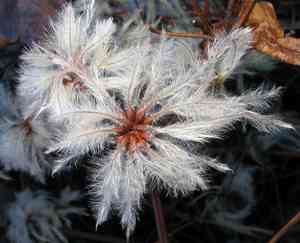
Old man's beard (Clematis vitalba)
Also known as: Old man's beard, Traveller's joy
Old Man's Beard, or Clematis vitalba, is a deciduous climbing shrub that can reach heights of up to 12 meters. It is notable for its fluffy flowers and fruit adorned with long, silky strands that resemble an elderly man's beard. This plant serves as a food source for several moth species and is frequently found entwining itself over hedgerows. It is classified as a noxious weed in New Zealand. Historically, ancient Europeans utilized Clematis vitalba to craft rope and baskets.
Attributes of Old man's beard
Images of Old man's beard
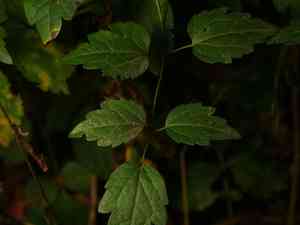
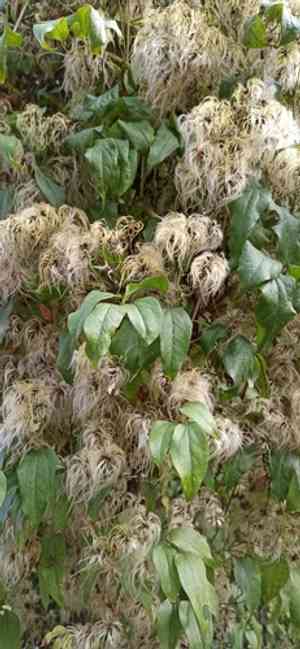
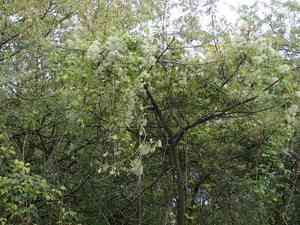
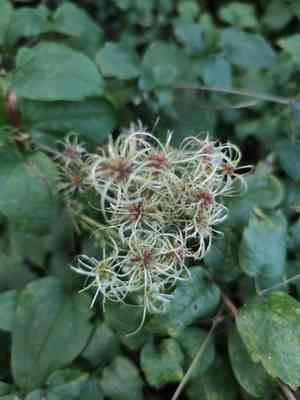
Quickly Identify Old man's beard
Scientific Classification of Old man's beard
Planting and Growing of Old man's beard
 How to Water Old man's beard?
 What Are the Sunlight Requirements for Old man's beard?
 What Is the Ideal Temperature Range for Old man's beard?
 What Soil is Best for Old man's beard?
 How to Fertilize Old man's beard?
 How to Prune Old man's beard?
 How to Propagate Old man's beard plant?
 How to Repot Old man's beard plant?
Toxicity of Old man's beard
Is Old man's beard toxic to humans?
The old man's beard plant carries a moderate toxicity risk for humans. Any contact with any part of this plant may result in poisoning, as it contains toxic compounds throughout. Poisoning can occur from both touch and ingestion, with the latter being particularly alarming due to protoanemonin, a compound recognized for causing adverse health effects. Various symptoms arise from old man's beard poisoning, including skin irritation upon contact. In cases of ingestion, individuals may face significant gastrointestinal distress, which can present as nausea, vomiting, and diarrhea. It is essential to prevent accidental ingestion of old man's beard and to exercise caution to avoid skin contact with the plant to reduce the poisoning risk.
Is Old man's beard toxic to cat?
Old man's beard, commonly referred to by the same name, carries a moderate toxicity level for cats. Cats can be poisoned by this plant through contact with any of its parts or accidental ingestion. Exposure to old man's beard may lead to physical distress or illness, with symptoms arising from the toxic compound protoanemonin that is present in all parts of the plant. If cats show signs of poisoning due to old man's beard, it is crucial to promptly seek veterinary assistance to guarantee their health and safety.
Is Old man's beard toxic to dog?
Old man's beard presents a moderate toxicity risk to dogs. This plant can poison canines through skin exposure or accidental consumption. All parts of the old man's beard are toxic, indicating that any interaction with dogs can lead to potential harm. Symptoms of poisoning could include, but are not limited to, dermatitis from contact, vomiting, diarrhea, excessive salivation, and possible respiratory problems if ingested. The toxic compound responsible for these effects is protoanemonin. It is essential for dog owners to vigilantly observe their pets and prevent any interaction with or ingestion of old man's beard. Should a dog display any signs of poisoning from this plant, seeking immediate veterinary assistance is vital to secure the best possible outcome for the pet.



