How to Transplant Old man's beard?
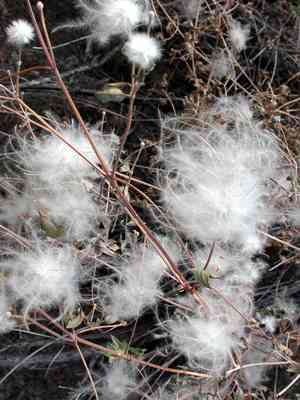
The ideal period for relocating old man's beard is during mild weather, specifically from the pleasant warmth of late spring through the onset of early summer, which guarantees vigorous development. Select a spot offering filtered sunlight and soil that drains effectively to accommodate old man's beard in its new environment.
What Preparations are Needed Before Transplanting Old Man's Beard?
What is the Ideal Time for Transplanting Old Man's Beard?
The best period to move old man's beard is from late spring to early summer, offering warmth without intense heat. This allows roots to settle in comfortable conditions, enhancing growth.
How Much Space Should You Leave Between Old Man's Beard Plants?
When preparing a new spot for old man's beard, aim for a comfortable spacing of approximately 2-3 feet (60-90 cm) between plants. This provides each old man's beard ample room to thrive and display its beauty without overcrowding.
What is the Best Soil Mix for Old Man's Beard Transplanting?
For a flourishing old man's beard, start with soil that drains well and is rich in organic material. Improve the soil's quality with a balanced, slow-release fertilizer to provide old man's beard with essential nutrients for a strong beginning.
Where Should You Relocate Your Old Man's Beard?
Choose a location that receives ample sunlight for old man's beard, but can also tolerate some shade. A spot that gets about 6 hours of sun daily is perfect for old man's beard to flourish.
What Equipments Should You Prepare Before Transplantation Old Man's Beard?
Gardening Gloves
To safeguard your hands while handling soil and the plant.
Spade or Shovel
For digging up the plant and preparing a new planting site.
Watering Can or Hose
To hydrate the plant before and after its relocation.
Measuring Tape
To assist in maintaining appropriate distances between new plantings.
Pruning Shears
For trimming any damaged roots or stems, if required.
Wheelbarrow or Garden Cart
To move old man's beard and its soil without causing harm.
Stakes or Trellis
To offer support for old man's beard as it develops and climbs.
Mulch
To aid in retaining soil moisture and regulating soil temperature after transplant.
How Do You Remove Old Man's Beard from the Soil?
How Do You Remove Old Man's Beard from the Soil?
From Ground: First, moisten the soil around the old man's beard plant. Then, use a spade or shovel to dig a wide trench around the plant, ensuring the root ball stays intact. Carefully work the spade beneath the root ball to lift the plant from its original spot.From Pot: Begin by watering the old man's beard to simplify the process and reduce plant stress. Gently turn the pot on its side and tap the bottom to loosen the soil and roots. Slide the plant out, aiming to preserve the root ball's structure.From Seedling Tray: Lightly water the soil to facilitate extraction. Use a spoon or small tool to carefully lift the old man's beard from its cell, supporting the root ball to prevent damage to the delicate roots.
Step-by-Step Guide for Transplanting Old Man's Beard
Dig New Hole
Excavate a hole in the ground that is twice the width of the old man's beard's root ball and of equal depth, allowing roots to spread.
Inspect Roots
Examine the old man's beard's root ball for any signs of circling or damage, trimming as needed with pruning shears.
Place Plant
Carefully position the old man's beard in the center of the new hole, ensuring it sits at the same depth as its original growth.
Refill Hole
Gently backfill the hole with soil, alternating layers of soil with water to eliminate air pockets and ensure good root-to-soil contact.
Install Support
Place stakes or a trellis next to the old man's beard to provide support for its growth. Loosely tie the stems to the support structure if necessary.
Watering
Thoroughly water the old man's beard after planting to help settle the soil around its roots.
Mulch Application
Apply a layer of mulch around the base of the old man's beard to help conserve moisture and regulate soil temperature.
How Do You Care For Old Man's Beard After Transplanting?
Monitoring
Regularly check old man's beard for indications of transplant shock, such as wilting or discolored leaves, and act promptly to alleviate any stress.
Support Maintenance
Periodically adjust ties and inspect the support structure to ensure old man's beard is securely held as it grows.
Pruning
Prune old man's beard as required to encourage healthy development and maintain its form, always using clean, sharp tools.
Watering Frequency
Adjust irrigation based on weather conditions, ensuring old man's beard receives adequate moisture without becoming waterlogged.
Troubleshooting Common Issues with Old Man's Beard Transplantation.
What's the best time to transplant old man's beard for successful growth?
Transplant old man's beard during the pleasant warmth of early summer, typically late spring to early summer.
How far apart should I space old man's beard when transplanting?
Allow old man's beard ample space to thrive by planting them 2-3 feet (60-90 cm) apart.
Why are my transplanted old man's beard wilting after planting?
Wilting might indicate shock. Keep the soil moist and provide shade for a few days to aid recovery.
How deep should I dig to transplant old man's beard?
The new hole should be as deep as the root ball but twice as wide to promote growth.
What soil conditions favor old man's beard after transplanting?
Ideally, use well-draining soil enriched with organic matter to boost old man's beard's post-transplant vitality.
Can I use fertilizer immediately after transplanting old man's beard?
Initially, refrain from chemical fertilizers; opt for compost to gently nourish old man's beard's roots.
What is the ideal light condition for old man's beard post-transplant?
After transplant, old man's beard thrives in a sunny spot with partial shade to help it adapt to its new location.
How often should old man's beard be watered after transplanting?
Initially, water old man's beard generously to settle the soil, then maintain consistent moisture until established.
How can I ensure old man's beard roots establish well after transplanting?
Lightly firm the soil around the base and water deeply to encourage healthy root development.
Is mulching beneficial for old man's beard after transplanting?
Absolutely, a layer of mulch can help retain moisture, regulate soil temperature, and reduce weed competition.



