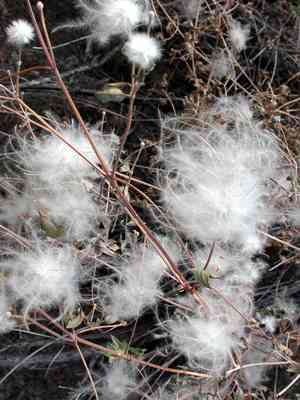
Old man's beard (Clematis drummondii)
Also known as: Drummond's clematis
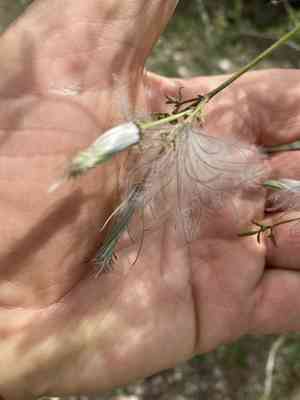
Clematis drummondii, known as Old man's beard, is a deciduous perennial vine that flourishes in full sun to partial shade. It prefers well-drained soil and is notably drought, heat, and cold-tolerant. Blooming from late spring to early summer, it features small, creamy-white flowers. By summer through fall, female plants develop distinctive, fluffy seed heads that can reach up to 8 cm in length. This hardy vine is difficult to remove once established and can grow vigorously, making it suitable for ornamental use or erosion control.
Attributes of Old man's beard
Images of Old man's beard
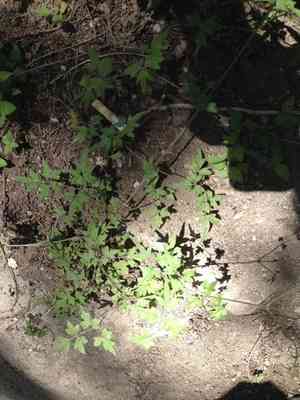
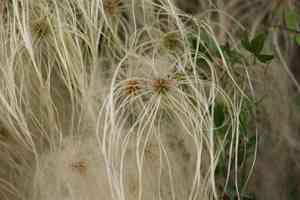
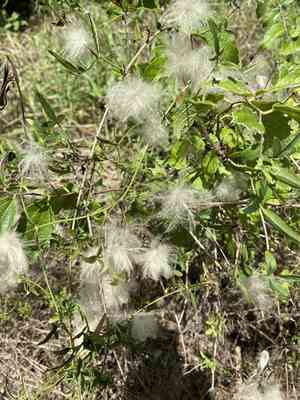
Quickly Identify Old man's beard
Scientific Classification of Old man's beard
Planting and Growing of Old man's beard
 How to Water Old man's beard?
 What Are the Sunlight Requirements for Old man's beard?
 What Is the Ideal Temperature Range for Old man's beard?
 What Soil is Best for Old man's beard?
 How to Fertilize Old man's beard?
 How to Prune Old man's beard?
 How to Propagate Old man's beard plant?
 How to Repot Old man's beard plant?
Toxicity of Old man's beard
Is Old man's beard toxic to humans?
The old man's beard plant poses a toxicity risk both through ingestion and skin contact. The symptoms may vary from mild to severe depending on exposure. Its leaves and flowers carry poisonous properties; ingestion may lead to excessive salivation, nausea, vomiting, or diarrhea. Touching the plant can result in skin irritations. Children are particularly vulnerable due to their inquisitive nature. Additionally, gardeners who handle the plant without wearing protective gear are also at risk of adverse effects.



