Enhancing Your Garden Design with the Old man's beard Plant: A Landscaping Guide
1
Old man's beard provides continuous visual interest throughout the year, changing with the seasons.
2
Its adaptability allows it to integrate well into formal, rustic, and modern garden designs.
3
Incorporating Old man's beard with other plants can improve your garden's vitality and beauty.
Appreciating the Visual Charm of Old man's beard
Visual traits: Highlighting the distinct features of Old man's beard
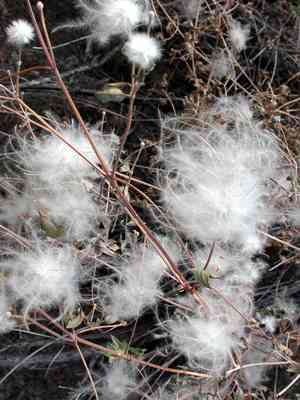
Old man's beard is a unique and captivating plant that adds special visual appeal to any outdoor space. Recognized for its feathery, beard-like look, it brings texture and fascination to garden designs. Its delicate, tendril-like structures gently sway in the breeze, creating an almost ethereal presence. Furthermore, the plant's intricate, fluffy forms offer a striking contrast to more conventional, solid-colored foliage, making it a focal point in any garden setting.
Seasonal transformations: Discussing how Old man's beard changes throughout the year
Old man's beard is fascinating to observe as it progresses through the seasons. In spring, it often appears with a fresh, light green shade, indicating the start of its growth period. By summer, its characteristic fluffy tendrils begin to form, reaching their full, impressive effect. In autumn, the plant may adopt a more subdued, yet equally engaging, appearance as it integrates with the fall foliage. During winter, the dried, silvery-beige strands persist as a testament to its hardiness, offering continuous visual interest even in the coldest months.
Color variations: Exploring the color range of Old man's beard in garden environments
The color scheme of Old man's beard is both subtle and dynamic, featuring hues that complement various garden settings. Initially, its light green tone provides a crisp, clean backdrop for early blooming flowers. As it matures, the beard-like tendrils shift to colors from pale greens to off-whites and silvers, offering a versatile canvas. This ability to subtly change colors makes Old man's beard an adaptable choice, seamlessly fitting into diverse planting arrangements while consistently enhancing the garden's overall beauty.
Incorporating Old man's beard Into Various Landscape Styles
Formal gardens: Suitability of Old man's beard for structured layouts
Old man's beard can be an unexpected yet refined addition to formal garden designs. Its distinct texture contrasts beautifully with the neat lines and defined structures common in formal gardens. When used thoughtfully, such as lining symmetrical paths or emphasizing geometric shapes, Old man's beard provides a softening effect while preserving the garden's overall elegance. It elevates the formal setting by introducing an element of organic intricacy, without overshadowing the garden's polished aesthetic.
Cottage gardens: Enhancing rustic charm with Old man's beard
For those aiming to cultivate a charming, rustic garden, Old man's beard is an excellent option. Its natural, free-flowing shape is ideal for cottage gardens, where it can weave among other plants and flowers. The ethereal quality of its tendrils adds a whimsical, romantic feel, making it appear as though it has been growing there for ages. It blends effortlessly with other cottage garden staples like roses, foxgloves, and delphiniums, enhancing the overall charm and creating a harmonious, timeless landscape.
Contemporary spaces: Modern landscaping and the role of Old man's beard
In more modern landscapes, Old man's beard brings a touch of natural sophistication without compromising contemporary aesthetics. Its unique structure and understated color palette make it compatible with sleek, minimalist designs. Old man's beard can serve as a soft, flowing counterpoint to the clean lines and hardscapes typical of modern gardens, such as metal sculptures or glass art pieces. Its ability to thrive in various containers or climbing structures also allows for innovative applications, such as vertical gardens or living walls.
Companion Planting with Old man's beard: Top Selections
Best companion plants for Old man's beard: Boosting mutual growth
Selecting the right companion plants for Old man's beard can significantly improve your garden's health and visual appeal. Plants such as lavender, sage, and rosemary make excellent companions due to their complementary textures and color tones. These plants typically share similar soil and sunlight needs, creating a balanced environment. Additionally, their aromatic qualities can deter pests, indirectly benefiting Old man's beard. By pairing these plants together, you foster a symbiotic relationship that aids in each other's growth and vitality.
Avoiding common planting errors with Old man's beard
While Old man's beard is quite hardy, it's crucial to avoid some frequent mistakes. Planting Old man's beard too closely with other vigorous growers can lead to competition for nutrients and space, hindering its development. Also, ensure it receives adequate sunlight; although it can tolerate partial shade, too much shade can impede its growth and reduce its flowering potential. Proper spacing and careful selection of companion plants will help Old man's beard flourish and integrate seamlessly into your garden.
How companion planting benefits Old man's beard and the garden ecosystem
Companion planting does more than just beautify your garden; it promotes a healthier ecosystem. When Old man's beard is paired with advantageous companions, it can experience improved pest resistance, better pollination, and enhanced soil conditions. This practice also attracts beneficial insects like bees and butterflies, contributing to a more vibrant and dynamic garden. Thus, incorporating Old man's beard into a well-planned planting scheme not only highlights its beauty but also boosts the overall health and sustainability of your garden.
Year-Round Value of Old man's beard in Landscaping
Spring and summer: Flowering stages of Old man's beard
The spring and summer months are when Old man's beard truly excels. During spring, Old man's beard begins its growth phase, with fresh, green tendrils emerging and creating a lush appearance. By summer, it reaches its peak, displaying fluffy, beard-like blooms that are both visually stunning and unique. These flowering stages offer a vibrant and dynamic element to your garden, drawing the eye and providing a striking contrast to more traditional garden flowers.
Fall and winter: Lasting appeal of Old man's beard
Even as the days shorten and cool, Old man's beard retains its charm. In the fall, the shift to subtler, more earthy tones allows it to blend gracefully with autumnal foliage. By winter, while many plants have faded, Old man's beard's resilient tendrils continue to offer visual interest. Its silvery-beige strands stand out against the more barren landscape, ensuring that your garden remains attractive year-round. This enduring appeal makes Old man's beard a valuable addition to any landscape, providing consistent beauty regardless of the season.



