How to Propagate Old man's beard?
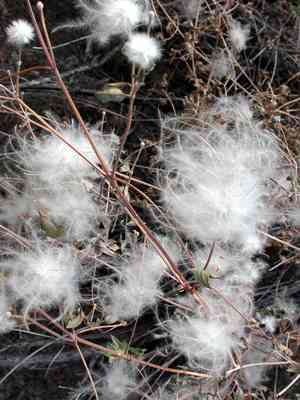
Clematis vitalba, recognized by its unique, plume-like seed clusters, can be successfully multiplied via the layering method. This procedure entails arching a stem towards the earth, partially covering it with soil, and anchoring it firmly. Eventually, roots will emerge from the subterranean portion, and once sufficiently developed, this new growth can be detached from the original plant and relocated to a different spot. To achieve successful propagation, guarantee contact with damp earth and offer reinforcement to the layered stem if required.
What Is the Best Time To Propagate Old Man's Beard?
Propagation Type
Sowing
Propagation Season
Spring
What Tools Are Used in Old Man's Beard Propagation?
Seed trays
Seed trays are vital for initiating old man's beard from seeds. These shallow containers enable uniform seed distribution and offer ample space for initial root growth. Their design aids in easy monitoring of moisture and root development, crucial for old man's beard's delicate early stages.
Sterile potting mix
A sterile potting mix is essential to prevent disease and ensure successful seed germination for old man's beard. This medium supplies necessary nutrients and drainage to support old man's beard's early development. Using a sterile mix reduces the risk of soil-borne pathogens that could impede germination and growth of tender seedlings.
Misting bottle
A misting bottle is employed to gently hydrate old man's beard seeds without disturbing them. The fine spray ensures seeds and seedlings receive moisture without being dislodged or buried deeper, which can negatively impact germination rates.
Heat mat
A heat mat enhances the success rate of old man's beard's propagation by maintaining a steady soil temperature, especially beneficial during colder periods. The gentle warmth it provides promotes quicker and more consistent seed germination, a key factor for successful old man's beard propagation.
Grow lights
Grow lights are particularly useful when propagating old man's beard indoors or in low-light conditions. These lights help mimic natural sunlight, fostering healthy growth and preventing seedlings from becoming elongated. Adjusting light intensity and duration helps replicate optimal growing conditions for old man's beard.
How to Propagate Old Man's Beard?
Propagation Type
Easy
How to Care for Your Newly Propagated Old Man's Beard?
How to Care for Your Newly Propagated Old Man's Beard?
After germination, gradually introduce young old man's beard plants to outdoor conditions over a week before transplanting them to their permanent spot. Select a location with well-drained soil and partial to full sun exposure. Support old man's beard's climbing habit with trellises or similar structures. Water consistently, especially during dry spells, and apply a balanced fertilizer during the growing season to encourage healthy growth and blooming.
Common Mistakes to Avoid When Propagating Old Man's Beard
Overwatering during propagation
Excessive watering of old man's beard can lead to root rot, as these plants prefer well-draining soil. Saturated soil can significantly reduce propagation success by fostering an environment conducive to fungal and bacterial growth.
Excessive handling of cuttings
Old man's beard cuttings are somewhat delicate, and too much handling can damage the nodes where roots form. This damage hinders the plant's ability to establish a healthy root system during propagation.
Using inappropriate soil medium
Choosing a soil medium that lacks proper drainage or aeration can impede the rooting process of old man's beard. This error can result in poor root development and lower survival rates.
Ignoring pest control
Neglecting pest control during old man's beard propagation can lead to infestations that weaken or destroy young plantlets. Pests can be more detrimental to propagative parts like cuttings or young seedlings.
Tips For Propagating Old Man's Beard
Use rooting hormone
Applying a rooting hormone to old man's beard cuttings can significantly boost root development. This promotes quicker and stronger root growth, leading to higher propagation success rates.
Maintain optimal moisture levels
Keeping the soil consistently moist but not waterlogged is crucial when propagating old man's beard. This balance ensures the plant has enough water for growth without risking root diseases caused by excessive moisture.
Select healthy parent plants
Propagation success greatly increases when cuttings or seeds are taken from healthy, vigorous old man's beard. Strong and disease-free parent material contributes to the overall vitality and resilience of new plants.
Sterilize propagation tools
Using sterilized tools when cutting or handling parts of old man's beard prevents the transmission of diseases and pests. This practice promotes the health and vigor of new propagations.



