How to Prune Old man's beard?
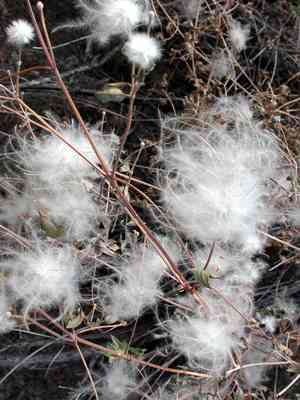
This climbing plant is recognized for its robust development and plume-like seed clusters. Proper trimming for old man's beard entails shortening the prior year's stalks to a robust cluster of buds in the early spring. Should revitalization be necessary, a more severe cut can be performed during winter. This schedule enables old man's beard to recuperate and diminishes the likelihood of illness. Trimming fosters vigorous development and flower generation, alongside preserving the preferred dimensions and form.
Advantages of Trimming Old Man's Beard
Advantages of Trimming Old Man's Beard
Trimming old man's beard promotes flowering, encourages robust development, and maintains a pleasing shape. Timely cutting manages size, improves plant architecture, and can lower disease occurrence by enhancing air movement within the foliage.
Optimal Time for Trimming Old Man's Beard
Optimal Time for Trimming Old Man's Beard
Trimming old man's beard during early spring or late winter aligns with its dormant phase, which is perfect for cutting back the plant without disrupting its growth cycle. These periods are chosen because the plant has not yet started new growth, meaning pruning is less likely to cause stress or interfere with upcoming blooms. Additionally, the absence of leaves makes it simpler to identify and selectively remove dead or overgrown sections of the plant, boosting its health and vitality, and encouraging a more abundant flowering season.
Tools Required for Trimming Old Man's Beard
Bypass Pruners
Excellent for making precise, clean cuts on old man's beard without crushing stems, which is crucial for fostering healthy regrowth.
Pruning Saw
Useful for cutting through thicker, older stems that may be present in established old man's beard plants, ensuring smooth cuts without harming the plant.
Garden Scissors or Snips
Best for trimming and shaping the finer, more delicate growth of old man's beard, providing accuracy in confined spaces or for deadheading.
Loppers
Suitable for reaching into the dense growth of old man's beard and cutting through medium-sized stems, offering leverage and precision while minimizing plant stress.
How to Trim Old Man's Beard
Sanitize
Before trimming old man's beard, disinfect all tools using a bleach and water solution or rubbing alcohol to prevent disease spread.
Remove Diseased Material
Cut away any diseased leaves and branches from old man's beard using sharp pruning shears. Make clean cuts well below affected areas to ensure diseased tissue is fully removed.
Deadhead
Deadhead faded flowers from old man's beard by snipping them off at the base of the bloom stem to encourage new growth and prevent seed dispersal.
Thin Branches
Thin out dead branches from the interior of old man's beard, leaving healthy, strong stems to improve air circulation and reduce disease risk.
Shape Plant
Shape old man's beard by selectively trimming withered leaves and twiggy growth to maintain the desired form and size, and to encourage healthy, robust stems for future flowering.
Common Trimming Errors with Old Man's Beard
Over-trimming
Removing too much growth from old man's beard in one session can stress the plant and hinder its development. This is a frequent mistake made by those overly keen on shaping or reducing the plant's size.
Underestimating Vigor
Old man's beard is a robust climber that can become quite extensive. Failing to account for its rapid growth can lead to infrequent trimming, which may result in a tangled, overgrown plant that is difficult to manage and shape later.
Incorrect Cut Locations
Making cuts too far from a bud, or into woody old growth without nearby new growth, can result in unsightly stubs or dieback in old man's beard. It is crucial to make cuts just above strong buds about 1/4 inch to encourage proper regrowth.
Poor Tool Maintenance
Using dull or dirty trimming tools can damage the stems of old man's beard and introduce diseases. Clean, sharp tools make precise cuts that heal quickly and minimize stress on the plant.
Ignoring Plant Structure
Trimming without understanding the natural form of old man's beard may lead to an unbalanced or misshapen plant. Gardeners should consider the plant's structure and desired form before making cuts.
General Trimming Advice for Old Man's Beard
Health Assessment
Before trimming, evaluate the overall health of old man's beard, identifying any dead, damaged, or diseased stems. Such stems should be removed first, thereby maintaining plant vitality and cleanliness.
Selective Thinning
Employ selective thinning to open up the center of old man's beard for improved air circulation and light penetration, which helps prevent disease and promotes even growth and flowering.
Encouraging New Growth
Focus on stimulating new growth by making cuts just above nodes where new buds are expected to form. This prompts old man's beard to produce fresh, vigorous stems that will bloom in future seasons.
Shaping And Support
When shaping old man's beard, ensure you provide adequate support for the plant's climbing habit. Gently train the stems around supports to encourage a pleasing growth habit while trimming.
Consistency
Maintain a regular trimming schedule for old man's beard based on its growth patterns. Consistent, light trimming is often more beneficial than erratic, heavy trimming, as it keeps the plant shapely and healthy.



