How to Transplant Citrus microcarpa?
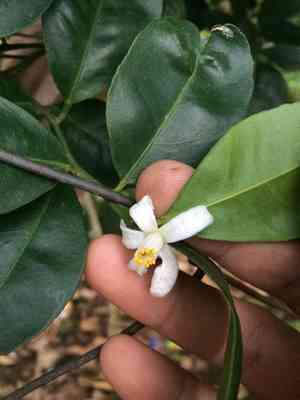
The most favorable period for relocating calamansi is during the revitalizing phase from early to late spring, as the climate encourages robust development. Select a bright spot with soil that drains effectively. Careful management of the root system throughout the procedure is vital for successful integration.
What Preparations are Needed Before Transplanting Calamansi?
What is the Ideal Time for Transplanting Calamansi?
The optimal period for relocating calamansi is the start of the growing season, typically from early to late spring. This timeframe offers mild temperatures and favorable weather, which are vital for calamansi's root development. Moving calamansi during this phase leverages the season's natural growth, promoting strong recovery and improved development. With warmer soil and increased daylight, calamansi has an excellent opportunity to flourish in its new spot before summer's heat, reducing transplant stress and encouraging vigorous growth.
How Much Space Should You Leave Between Calamansi Plants?
Greetings! You'll want to provide your calamansi ample room to expand. Aim to position them roughly 12-25 feet apart (3.7-7.6 meters). This will ensure each plant has sufficient area to spread out and thrive. Happy planting!
What is the Best Soil Mix for Calamansi Transplanting?
For your calamansi, you'll require soil that drains effectively. Begin by enriching the soil with compost or a balanced fertilizer to nourish your plants. A pH level of 6.0 to 7.0 is perfectly suitable. Preparing the soil beforehand will help your calamansi flourish!
Where Should You Relocate Your Calamansi?
Your calamansi thrives in sunlight! Select a location that receives full sun for at least 6 hours daily. This will guarantee your calamansi gets the energy it requires to produce those delightful small fruits. A sunny spot will also aid in disease prevention. Full sun is key!
What Equipments Should You Prepare Before Transplantation Calamansi?
Gardening Gloves
To safeguard your hands while handling soil and plants.
Shovel or Spade
For digging around and lifting the plant from its current spot.
Watering Can or Hose
To hydrate the calamansi plant prior to and following transplantation.
Wheelbarrow or Garden Cart
For moving the calamansi plant to its new position.
Pruning Shears
To trim any damaged roots or branches before the transplant.
Garden Trowel
For excavating small holes or refining the planting area.
Measuring Tape
To maintain appropriate spacing between transplanted calamansi plants.
How Do You Remove Calamansi from the Soil?
How Do You Remove Calamansi from the Soil?
From Ground: First, ensure the soil is damp by watering the calamansi plant to facilitate its removal. Use a shovel or spade to dig a wide circle around the plant, going deep enough to encompass the entire root ball. Gently pry the plant from the ground to minimize root damage.From Pot: Water the calamansi plant thoroughly before beginning. The moist soil will keep the root ball intact. Turn the pot on its side, tap the base, and carefully ease the plant out. If it's stuck, run a trowel along the pot's inner edge to loosen it.From Seedling Tray: Water the tray completely before transplanting. Using a garden trowel or your fingers, carefully lift the calamansi seedling while supporting the soil and root ball to prevent any breakage.
Step-by-Step Guide for Transplanting Calamansi
Prepare the New Location
Excavate a hole in the ground that is twice the width and the same depth as the root ball. Loosen the soil at the bottom to encourage easier root growth.
Root Pruning
Inspect the calamansi's root ball and trim any broken or excessively long roots with pruning shears, ensuring a healthy start in its new spot.
Plant Positioning
Place the calamansi plant in the center of the hole. The top of the root ball should be level with the surrounding soil to prevent water accumulation around the stem.
Soil Refill
Backfill the hole with soil around the calamansi's root ball, pressing down to eliminate air pockets. Be careful not to cover the stem with soil above the root ball level.
Watering
Water the calamansi plant generously after transplanting to settle the soil and provide essential moisture for the roots.
Staking (if necessary)
If the calamansi is large or in a windy area, provide support with a stake positioned at a slight angle away from the plant. Use garden ties to loosely attach the plant to the stake.
How Do You Care For Calamansi After Transplanting?
Initial Watering
Maintain consistent moisture around the calamansi for the first few weeks as the plant establishes itself. This is crucial for new root development.
Mulching
Apply a 2-3 inch layer of organic mulch around the calamansi, keeping it clear of the stem, to conserve moisture and regulate soil temperature.
Monitoring
Observe your calamansi for signs of stress such as yellowing leaves or wilting, which indicates a need for more or less water or potential pest issues.
Support Check
Inspect any support stakes and ties, ensuring they are secure yet not too tight to allow for natural growth and movement of the calamansi.
Regular Inspections
Examine your calamansi frequently for pests or diseases, taking prompt action with appropriate treatments to prevent any serious damage.
Troubleshooting Common Issues with Calamansi Transplantation.
Why is my calamansi wilting after transplanting?
Wilting post-transplant may be due to shock. Ensure soil is moist and protect calamansi from strong sunlight until established.
Can I transplant calamansi during summer or fall?
Transplanting calamansi is best when growth potential is highest, in early to late spring, to ensure better root establishment.
How far should I space my calamansi plants?
Ideal spacing is between 12-25 feet (3.7-7.6 meters) apart to allow adequate room for growth and air circulation.
What should I do if leaves turn yellow after transplanting?
Yellowing leaves can indicate overwatering or nutrient deficiency. Adjust watering and consider a balanced fertilizer.
How deep should I plant calamansi roots?
The rootball should be planted at the same depth it grew in its previous location to avoid stress.
Why is my calamansi not bearing fruit after transplanting?
Fruiting delay is common after transplanting as calamansi adjusts. Ensure proper care and be patient for recovery.
How do I prepare the soil before transplanting calamansi?
Enrich the soil with organic matter and ensure it is well-draining to meet calamansi's needs.
How much should I water calamansi after transplanting?
Water thoroughly after transplanting, then maintain consistent moisture, not letting the soil dry out completely.
What type of light does calamansi need after transplanting?
Place calamansi in a well-lit location with indirect, bright light to promote healthy growth.
How do I protect my calamansi from transplantation shock?
Minimize root disturbance, water gently, and provide shade if outdoor temperatures are harsh in the following weeks.



