How to Overwinter Citrus microcarpa
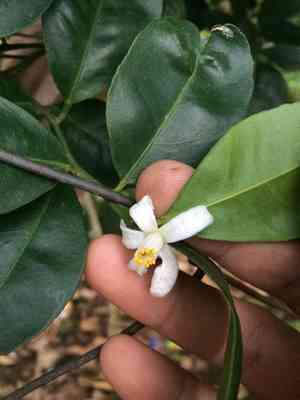
1
Calamansi plants require a minimum of 8 hours of filtered sunlight daily in winter.
2
Keep indoor temperatures for Calamansi between 18°C - 24°C (65°F - 75°F) for optimal growth.
3
A frequent error is excessive watering; allow the soil to become somewhat dry before re-watering.
The Importance of Overwintering Calamansi Plants
Why Overwinter Calamansi Plants?
Understanding the necessity of protecting your Calamansi plants during winter is vital for their survival, particularly in colder regions. As they are sensitive to frost, Calamansi plants cannot endure temperatures below 0°C (32°F). Overwintering safeguards your plant from frost damage, which can result in significant leaf loss and even plant demise. Furthermore, this process aids your citrus plant in conserving energy, thereby fostering robust growth and fruit production in the subsequent spring.
Preparing Calamansi for Winter Protection
Inspecting the Plant
Prior to bringing your Calamansi indoors for the colder months, thoroughly examine it for any indications of pests or diseases. Look for typical citrus pests such as aphids, scales, and spider mites. Check beneath the leaves and around the stem base. Early detection and treatment can prevent an infestation from spreading indoors.
Pruning
Trim your Calamansi to manage its size and remove any dead or diseased branches. Pruning enhances air circulation and allows light to reach all parts of the plant, reducing the risk of disease development. You can also shape your plant to better fit the indoor space.
Cleaning the Pot and Base
Remove any fallen leaves or debris from the pot and the plant's base. This step is crucial to prevent mold and pests from establishing themselves in these hidden areas. Cleaning the pot ensures a healthy root environment for your plant as it adjusts to indoor conditions.
Repotting if Necessary
If your Calamansi is root-bound or the soil is compacted, consider repotting into a larger container or refreshing the soil. Use well-draining soil specifically formulated for citrus plants. This helps ensure that the roots have sufficient space and resources to thrive throughout the winter.
How to Protect Calamansi from Frost?
Indoor Placement
Position your Calamansi in a bright, sunny location within your home. A south-facing window is ideal as it provides ample sunlight necessary for its growth. If natural light is insufficient, consider supplementing with grow lights to simulate the sunâs rays.
Proper Lighting Conditions
During winter, Calamansi plants require at least 8 hours of light daily. If placed near windows, rotate the plant periodically to ensure even light distribution. In lower light conditions, fluorescent or LED grow lights can help maintain the plantâs health.
Temperature Regulation
Maintain indoor temperatures between 18°C - 24°C (65°F - 75°F) for optimal growth. Keep the plant away from drafty windows, heating vents, and doors where temperature fluctuations are common. Consistent temperature helps prevent stress and plant shock.
Humidity Control
Winter indoor air can be quite dry. To maintain adequate humidity around your Calamansi, use a humidifier or place a tray of water near the plant. Alternatively, mist the leaves regularly to create a more humid microenvironment, which helps the plant thrive.
Watering and Feeding During Winter
Watering Schedule
Water your Calamansi sparingly during winter. Allow the top 2-3 cm (1 inch) of soil to dry out between waterings. Overwatering can lead to root rot and other fungal diseases. Use room temperature water to avoid shocking the roots.
Soil Moisture Monitoring
Regularly check the soil moisture by inserting your finger about 5 cm (2 inches) into the soil. If it feels dry, it's time to water. Using a moisture meter can also help maintain the correct moisture levels and prevent over- or under-watering.
Feeding Frequency
During winter, Calamansi plants enter a slower growth phase and require less feeding. Reduce fertilization to once every 6-8 weeks. Opt for a balanced, slow-release fertilizer to supply essential nutrients without the risk of over-fertilizing.
Best Fertilizers to Use
Use a citrus-specific fertilizer that is balanced in nitrogen, phosphorus, and potassium. Make sure it also contains micronutrients like magnesium and iron. Slow-release granular fertilizers are a good option for providing consistent nourishment over time.
Common Issues and Solutions
Pest and Disease Control
Even indoors, Calamansi can be susceptible to pests and diseases. Regularly inspect for signs of infestation and treat immediately with insecticidal soap or neem oil. Preventative measures include maintaining good air circulation and avoiding overwatering.
Leaf Drop Prevention
Leaf drop can be alarming but is often a response to stress. Ensure stable environmental conditions and consistent care. Provide adequate light, avoid sudden temperature changes, and keep humidity levels in check to prevent leaf drop.
Nutrient Deficiency Signs
Watch for yellowing leaves, poor growth, or brown spots, which may indicate nutrient deficiencies. Adjust your feeding regimen accordingly and consider a soil test to identify specific nutrient needs. A balanced citrus fertilizer can correct most deficiencies.



