How to Prune Citrus microcarpa?
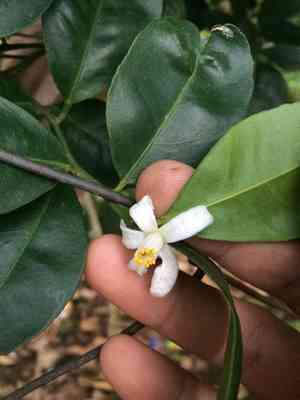
This compact citrus-producing tree flourishes under ample sunlight and temperate conditions. For calamansi, judicious trimming boosts fruit yield and overall plant well-being. Eliminate any lifeless or ailing limbs, reduce crowded foliage to foster better air movement, and sculpt the crown for uniform light penetration. The optimal time for pruning is during the winter, following the harvest, when the plant is in its resting phase. Pruning at this juncture lessens strain and encourages new development in the spring. Consistent, meticulous pruning sustains vitality and optimizes output.
What Are the Benefits of Pruning Calamansi?
What Are the Benefits of Pruning Calamansi?
Trimming calamansi promotes more vigorous development by eliminating aged or overly dense stems, thereby enhancing air circulation and sun exposure. Regular shaping maintains its desired size and look, ensuring a robust, fruitful plant.
What Is the Best Time for Pruning Calamansi?
What Is the Best Time for Pruning Calamansi?
Pruning calamansi in late winter, just prior to the spring growth surge, is considered optimal. This timing allows the gardener to clear any dead or damaged branches that may have resulted from winter weather, without hindering new growth. It ensures the plant has sufficient energy reserves to quickly recover from cuts and produce new shoots. Furthermore, since calamansi typically blooms on new wood, pruning at this time can stimulate healthy flowering and fruit production in the subsequent growing season. It's crucial to avoid pruning calamansi when it is actively flowering or setting fruit, as this can reduce the yield. As a citrus plant, calamansi also benefits from not being exposed to potential frost damage after pruning, which can occur if pruned too early in the winter.
What Tools Do I Need to Prune Calamansi?
Hand Pruners (Secateurs)
Perfect for making precise cuts on calamansi's smaller branches, typically up to 3/4 inch in diameter. They ensure clean cuts that encourage healthy regrowth.
Loppers
Suitable for trimming branches too thick for hand pruners but still under 1.5 inches in diameter. Loppers offer leverage and reach, simplifying calamansi pruning without plant damage.
Pruning Saws
Essential for cutting through calamansi's branches exceeding 1.5 inches in thickness. These saws handle larger cuts and help maintain the plant's structure without tearing bark.
Gloves
Protect the gardener's hands from thorns and sharp tools during calamansi pruning. They are vital for safety and comfort.
Pruning Shears
Useful for shaping calamansi and removing suckers or water sprouts. They are ideal for light trimming and maintaining the desired form.
How to Prune Calamansi
Disinfect tools
Before beginning, ensure all pruning tools are sanitized to prevent disease transmission to calamansi.
Remove dead branches
Identify and cut away all dead branches from calamansi, those without leaves or fruit, using sharp pruning shears. Make cuts at a 45-degree angle approximately 1/4 inch above a leaf node or bud.
Eliminate diseased branches
Carefully remove any branches showing disease symptoms from calamansi. Make cuts well into healthy tissue to ensure all infected parts are gone.
Clean cut area
After removing dead or diseased branches, clean the cut area on calamansi to remove any remaining plant debris or residue to promote proper healing.
Dispose trimmed materials
Dispose of all trimmed materials, especially dead or diseased ones, away from calamansi to minimize the risk of re-infection or pest attraction.
Common Pruning Mistakes with Calamansi
Overpruning
Removing excessive foliage and branches can stress calamansi, impeding its ability to photosynthesize and produce fruit.
Underpruning
Failing to remove sufficient old or overcrowded growth can lead to poor air circulation and reduced light penetration, impacting calamansi's overall health.
Pruning diseased wood into healthy areas
Using the same tools without disinfection can spread diseases from infected to healthy parts of calamansi.
Tearing branches
Improper cutting can cause tears that damage calamansi's bark, leaving it vulnerable to infections.
Flush cutting
Cutting branches too close to the trunk removes the branch collar, which is vital for proper healing and can lead to disease in calamansi.
Common Pruning Tips for Calamansi
Clean and sharp tools
Using sanitized, sharp pruning shears ensures clean cuts that heal faster, minimizing stress on calamansi.
Angled cuts
Make cuts at a 45-degree angle to prevent water from accumulating on the cut surface, reducing the risk of rot in calamansi.
Prune for shape and health
Focus on maintaining calamansi's natural shape and removing only dead, damaged, or diseased branches to promote robust growth.
Thin out the canopy
Thinning out some of the dense interior growth allows light and air to reach the center of calamansi, which is essential for fruiting.
Prune for rejuvenation
Occasional heavier pruning can stimulate new growth in older calamansi plants but should be done cautiously, ensuring enough foliage remains for photosynthesis.



