Citrus microcarpa(Citrus microcarpa)

Citrus microcarpa (Citrus microcarpa)

Also known as: Calamondin, Calamansi, Philippine Lime, Kalamandag, Golden Lime

The Citrus microcarpa or Calamondin is a fruit tree species in the family of Rutaceae. The tree is native to Philippines and highly cultivated in the country. It produces a citrus fruit that is used mainly as a condiment in Philippine cuisine.

Attributes of Citrus microcarpa

Lifespan
Citrus microcarpa, also known as Calamondin or Philippine lime, is a perennial plant.
Plant Height
3-6 meters
Spread
2-3 meters
Leaf Color
Green
Flower Size
2-3 cm
Flower Color
White

ForwardPlant - Identify plants with a snap

Identify and diagnose plants, get toxicity alerts, and explore safety guides for all types of fungi.

Try for Free

Images of Citrus microcarpa

Citrus microcarpa(Citrus microcarpa)

Quickly Identify Citrus microcarpa

1
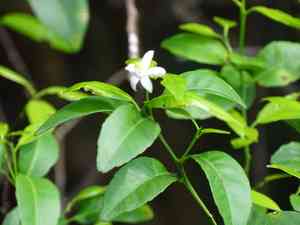
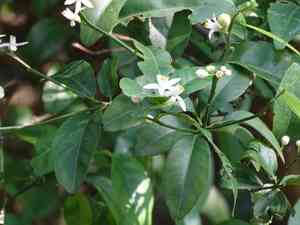
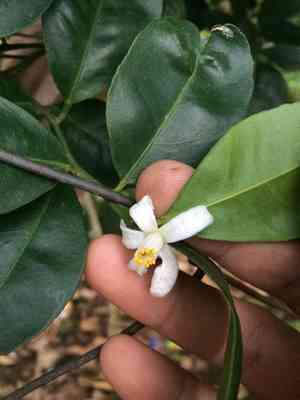
The Calamondin tree is small and typically grows to around 3-6 meters tall. It produces small, round lime-like fruits which are about 1 inch in diameter. The fruits are sour and used widely in cooking. The leaves are small and have a distinct lemon aroma when crushed.

Scientific Classification of Citrus microcarpa

Phylum
Tracheophyta
Class
Magnoliopsida
Order
Sapindales
Family
Rutaceae
Genus
Citrus
Species
microcarpa

Planting and Growing of Citrus microcarpa

Care Difficulty
Easy
Watering Schedule
Every 8 days
Sunlight Requirements
Full sun
Sunshine Duration
6-10 hours
Ideal Temperature
70-86℉
Soil Type
Potting Mix, Peat Mix
Soil pH
5.5-7
Fertilizer Type
Balanced
Pruning Season
Spring, Summer
Pruning Area
Branches, Leaves
Pruning Frequency
2 times a year
Repotting Season
Spring
Pot Type
Plastic, Terracotta

water icon How to Water Citrus microcarpa?

For Citrus microcarpa, the key to watering is ensuring the soil is consistently moist but not waterlogged. Each watering session should involve the application of about 300 ml of water, enough to moisten the soil evenly without leaving it soggy. The aim is to achieve moisture retention within the soil, ensuring that it remains damp to the touch but not overly wet or leading to standing water around the roots.
What are the symptoms of an underwatered Citrus microcarpa?
What should I do if my Citrus microcarpa is not getting enough water?
What are the symptoms of an overwatered Citrus microcarpa?
How to save an overwatered Citrus microcarpa?

sunlight icon What Are the Sunlight Requirements for Citrus microcarpa?

Sunlight Requirements: Full sun, Partial sun
Duration of light: 6 to 8 hours daily
Citrus microcarpa thrives best under full sun or partial sun, with a minimum of 6 hours of direct sunlight daily. Adequate light promotes vibrant foliage, robust growth, and prolific fruit and flower production.
Where should I place Citrus microcarpa?
How can I simulate ideal lighting indoors?
What are the benefits of getting the right light?
More About Sunlight Requirements Techniques

temperature icon What Is the Ideal Temperature Range for Citrus microcarpa?

Ideal Temperature: 70 ~ 86℉
Citrus microcarpa thrives in temperatures ranging from 70 to 86 degrees Fahrenheit. This range supports optimal growth and fruiting, allowing the plant to photosynthesize efficiently. At these temperatures, the plant's metabolic activities are enhanced, contributing to robust development and vibrant fruit production.

soil icon What Soil is Best for Citrus microcarpa?

Soil type: Loam, Sandy loam
Soil PH: 5.5 ~ 7
Citrus microcarpa thrives in well-draining soils to prevent root rot. Utilizing loamy or sandy loam soils ensures excess water doesn't stagnate, promoting healthy root development and reducing the risk of disease. A nutrient-rich soil enhances the growth and fruiting of Citrus microcarpa. The addition of organic matter can supply essential nutrients, fostering vigorous growth and an abundant harvest. This plant prefers slightly acidic to neutral pH levels. Soil that maintains a pH between 5.5 and 7.0 provides optimal nutrient availability, crucial for lush foliage and fruitful yields.

fertilize icon How to Fertilize Citrus microcarpa?

Fertilizer type: Balanced
For Citrus microcarpa, the recommended fertilizer amount largely depends on its growth stage. When actively growing, especially in the warmer months, use approximately 50 grams of balanced granule fertilizer per young plant and up to 100 grams for mature trees. It's essential to ensure fertilizer is evenly distributed for proper absorption.

prune icon How to Prune Citrus microcarpa?

Pruning Time: Spring, Summer, Autumn
Prune during active growing seasons—spring through autumn—when the plant can recover quickly. Avoid heavy pruning during dormancy, as it can stress Citrus microcarpa and stunt its growth in the long term. Strive to keep a balanced, symmetrical shape for optimal light exposure. Trim back long branches to a lateral shoot pointing outward to expand the crown and improve air circulation effectively. Consider thinning out some of the fruit if the branches appear overly burdened. This helps prevent breakage, ensures larger remaining fruits, and maintains the health and vigor of the plant. More About Pruning Techniques

propagate icon How to Propagate Citrus microcarpa plant?

Propagate Time: Spring, Early summer
1
Harvest seeds from ripe Citrus microcarpa fruits. Clean the seeds thoroughly to remove any pulp residue, which can inhibit germination. It is best to sow seeds fresh for higher germination rates.
2
Select healthy branches from a mature tree and cut segments about 4-6 inches long. Remove any leaves from the lower half and dip the cutting end into rooting hormone.
3
Choose compatible rootstock and scion. Make a clean cut on both, and join them with tape or grafting clips. Ensure the cambium layers of both parts align for successful grafting.

repot icon How to Repot Citrus microcarpa plant?

Repotting frequency: Every 1-2 years
1
Citrus microcarpa should be repotted when you notice its roots poking through the drainage holes, a clear signal telling you that the plant has outgrown its current container. Another sign is the slowing down of growth despite consistent care, indicating that the plant needs more room to thrive.
2
Select a pot that is 1-2 inches larger in diameter than the current one. It should have adequate drainage holes to prevent waterlogging. A slightly larger pot will allow room for growth without overwhelming the roots, which aids in achieving a bushier, healthier plant.
3
Opt for a well-draining potting mix enriched with organic matter. This ensures proper aeration and prevents root rot by allowing excess water to escape. A nutrient-rich mix supports the plant's nutritional needs, promoting vigorous growth and fruiting.

ForwardPlant - Identify plants with a snap

Find the best spots for them to optimize their health, simply using your phone.

Try for Free

Toxicity of Citrus microcarpa

Is Citrus microcarpa toxic to cat?

Every component of the calamansi plant is infused with substances that pose a mild to moderate threat to feline health. When consumed, it generally results in benign gastrointestinal disturbances, including vomiting and diarrhea. Additionally, the plant's chemicals can induce photosensitivity, resulting in skin irritation upon sun exposure. Fortunately, these symptoms typically subside after several hours.

Is Citrus microcarpa toxic to dog?

Calamansis can be classified as mildly to severely toxic to dogs, contingent upon the amount ingested. Therefore, it is advisable to seek veterinary advice if you observe your pet gnawing on this particular plant. While all parts of the plant may harbor toxic elements, it is the fruits that contain the highest levels of toxins and are especially alluring to dogs. The symptoms resulting from calamansi ingestion can vary significantly, ranging from mild issues such as gastrointestinal upset, vomiting, diarrhea, heightened sensitivity to light, excessive salivation, and lethargy, to severe reactions like tremors, hypotension, and even fatality, particularly in instances of substantial consumption.

Identify toxic plants for your safety

Learn which plants are harmful to you and your pets, and make informed choices for a safer home!

Try for Free
WARNING
The judgment on toxicity and danger is for reference only. We DO NOT GUARANTEE any accuracy of such judgment. Therefore, you SHALL NOT rely on such judgment. It is IMPORTANT TO SEEK PROFESSIONAL ADVICE in advance when necessary.
More About Toxic Techniques