How to Transplant Dwarf thistle?
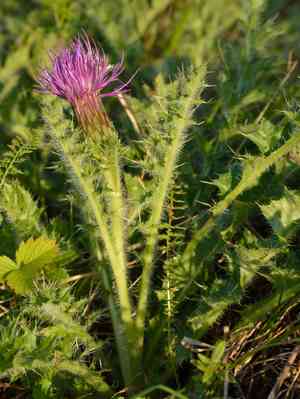
The ideal period for relocating dwarf thistle spans from mid-spring to late spring, providing temperate conditions favorable for root development. Select a location bathed in sunlight featuring soil that drains effectively. Infrequent irrigation after transplantation facilitates its adaptation.
What Preparations are Needed Before Transplanting Dwarf Thistle?
What is the Ideal Time for Transplanting Dwarf Thistle?
The best time to move dwarf thistle is during the mild period of mid to late spring. This timing aligns with the plant's natural growth, giving it a full season to root in its new spot before summer heat or winter cold. Transplanting dwarf thistle then ensures the best chance for recovery and strength, benefiting from moderate temperatures and longer days. This transition supports strong growth, making it an ideal time to introduce dwarf thistle to its new home.
How Much Space Should You Leave Between Dwarf Thistle Plants?
Greetings green thumb! For your dwarf thistle, aim to give each plant ample room to thrive by spacing them 18-24 inches (45-60 cm) apart. This allows their roots to spread out and grow without competing for nutrients.
What is the Best Soil Mix for Dwarf Thistle Transplanting?
To create a welcoming environment for your dwarf thistle, incorporate well-draining soil rich in organic matter. A light application of a balanced, slow-release fertilizer will help them start strong. Your dwarf thistle will appreciate this nourishing foundation!
Where Should You Relocate Your Dwarf Thistle?
Select a sunny location where your dwarf thistle can receive at least 6 hours of daily sunlight. They thrive in bright conditions, and a well-lit spot will ensure robust and healthy development. Sun-kissed foliage will enhance the beauty of your dwarf thistle!
What Equipments Should You Prepare Before Transplantation Dwarf Thistle?
Garden Spade
For excavating soil and creating a new planting site for dwarf thistle.
Hand Trowel
To refine the planting cavity and assist with removal from containers or trays.
Gardening Gloves
To safeguard your hands while handling soil and plants.
Watering Can
For supplying water to dwarf thistle before and after relocation.
Measuring Tape
To ensure appropriate spacing between relocated specimens.
How Do You Remove Dwarf Thistle from the Soil?
How Do You Remove Dwarf Thistle from the Soil?
From Ground: First, thoroughly water the dwarf thistle plant to soften the earth. Carefully dig a wide circle around the plant with a garden spade to include as much of the root system as possible. Gently slide the spade under the root ball and lift the plant out of the ground.From Pot: Water the dwarf thistle in its pot before starting. Tilt the pot sideways and gently tap the bottom to loosen the root ball. Slide the plant out carefully, supporting the root ball to avoid damage.From Seedling Tray: Moisten the soil in the seedling tray to facilitate easier removal. Use a hand trowel or a similar tool to carefully lift the plant, including its root mass, from the individual cell of the tray.
Step-by-Step Guide for Transplanting Dwarf Thistle
Preparation
Wear gardening gloves to protect your hands before starting the dwarf thistle transplant process. Gather your tools nearby for easy access during the transplanting.
Digging the Hole
Use the garden spade to dig a hole in the chosen spot that is twice as wide as the dwarf thistle's root ball and the same depth, ensuring the plant sits at its original soil level.
Root Positioning
Place the dwarf thistle's root ball in the center of the hole, gently spreading out any bound roots, taking care not to harm them.
Soil Refill
Gradually backfill the hole with soil using a hand trowel, lightly tamping to remove air pockets around the roots. Ensure the plant remains upright and at the correct depth.
Watering
Immediately after planting, water dwarf thistle generously with the watering can to settle the soil around the roots and aid in recovery from transplant shock.
Final Adjustments
Perform a final check to ensure dwarf thistle is at the proper depth and straight. Add more soil if necessary and gently firm it again.
How Do You Care For Dwarf Thistle After Transplanting?
Mulching
Apply a layer of organic mulch around dwarf thistle to help retain moisture and reduce weed competition.
Monitoring
Regularly inspect the plant for signs of stress, such as wilting or discolored leaves, and adjust care as needed.
Gentle Watering
Continue to water dwarf thistle regularly, allowing the soil to dry slightly between watering, to encourage new root growth.
Troubleshooting Common Issues with Dwarf Thistle Transplantation.
Why should I transplant dwarf thistle in mid to late spring?
Transplanting dwarf thistle in mid to late spring allows the plant to establish in moderate temperatures before the stress of summer heat.
How far apart should I space dwarf thistle when transplanting?
Space dwarf thistle about 18-24 inches (45-60 cm) apart to give them room to grow without competing for resources.
What's the best way to water dwarf thistle after transplanting?
Water dwarf thistle gently at the base to avoid dislodging the soil around the roots and provide even moisture.
Is it necessary to amend the soil when transplanting dwarf thistle?
Enrich the planting hole with compost to promote healthy growth, but avoid over-fertilizing, which can harm dwarf thistle.
How deep should the hole be for transplanting dwarf thistle?
Dig a hole twice the width and the same depth as the root ball to avoid burying dwarf thistle too deeply.
Can I transplant dwarf thistle on a hot, sunny day?
Transplant dwarf thistle on a cloudy day or in the late afternoon to reduce transplant shock and moisture loss.
How do I handle dwarf thistle's roots during transplanting?
Carefully tease out the roots of dwarf thistle if pot-bound to encourage outward growth and prevent girdling.
Should I prune dwarf thistle when transplanting?
Prune damaged or overly long roots of dwarf thistle before planting to promote healthy regrowth and establishment.
What signs of shock should I look for after transplanting dwarf thistle?
Signs of transplant shock include wilting, yellowing, and leaf drop. Give dwarf thistle time and proper care to recover.
How can I protect dwarf thistle after transplanting?
Mulch around dwarf thistle to conserve moisture, regulate soil temperature, and reduce weed competition, keeping it away from stems.



