How to Propagate Dwarf thistle?
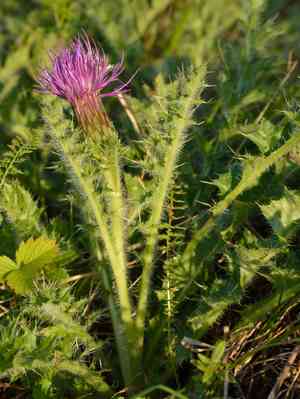
Cirsium acaule is a herbaceous perennial that flourishes in diverse environments, such as meadows and stony regions. It is commonly propagated via cuttings, a technique that ensures genetic uniformity across subsequent generations. For propagation, choose robust stems and divide them into sections, each possessing at least one growth point. Insert these cuttings into adequately draining soil and maintain moisture until a vigorous root system establishes. This approach is generally dependable and enables cultivators to effectively enlarge their Cirsium acaule assortment.
Optimal Period for Dwarf Thistle Propagation
Propagation Method
Cutting
Propagation Period
Spring,Summer
Tools Required for Dwarf Thistle Propagation
Sharp pruning shears
These are crucial for taking cuttings from dwarf thistle. Clean, precise cuts help prevent disease and harm to both the parent plant and the new cuttings. Sharp pruning shears ensure a quick cutting process, minimizing stress on plant tissue, which can improve rooting success.
Rooting hormone powder or gel
This product encourages root development from dwarf thistle cuttings, increasing the chance of successful propagation. Applying a rooting hormone to the cut end of the cutting helps initiate faster rooting, which is vital for the delicate cuttings of dwarf thistle to establish and flourish.
Sterile potting mix
A light and sterile potting mix offers the perfect environment for dwarf thistle cuttings to root. It is free of pathogens that could harm vulnerable cuttings and typically has good water retention and air circulation, which supports new root growth.
Small pots or propagation trays
These containers are used to plant the cuttings. They should be clean and have adequate drainage to prevent waterlogging, a condition that could cause rot or fungal growth in the root area of dwarf thistle.
Plastic cover or humidity dome
This tool helps maintain a high humidity environment around the new dwarf thistle cuttings, which is essential for preventing excessive moisture loss through the leaves. Maintaining high humidity around the cuttings promotes successful root development and reduces plant stress during the critical early growth stages.
How to Propagate Dwarf Thistle?
Propagation Difficulty
Easy
How to Care for Your Newly Propagated Dwarf Thistle?
How to Care for Your Newly Propagated Dwarf Thistle?
Once roots are established, gradually introduce dwarf thistle to normal conditions by removing the humidity cover over a week. Water sparingly, only when the soil feels dry to the touch to avoid overwatering. As dwarf thistle thrives in well-drained soils and sunny locations, place it in a spot that receives full to partial sunlight. Regularly check for pests and diseases, especially fungal infections, to keep the plant healthy.
Common Mistakes to Avoid When Propagating Dwarf Thistle
Incorrect soil type
Using an unsuitable soil mix can lead to poor root development and waterlogging, which could stress or kill dwarf thistle.
Overwatering
Excessive watering can cause root rot, which is particularly detrimental to dwarf thistle as it prefers drier conditions.
Deep planting
Planting dwarf thistle too deeply can inhibit its ability to sprout, as dwarf thistle has specific light requirements for germination.
Tips For Propagating Dwarf Thistle
Appropriate soil mix
Using a well-draining soil mixed with sand or gravel helps mimic dwarf thistle's natural growing conditions, ensuring healthier growth.
Moderate watering
Maintain slightly moist soil conditions. Overwatering can harm dwarf thistle, so ensure the soil is not saturated.
Surface sowing
When propagating dwarf thistle from seeds, spread them on the surface of the soil and lightly press down. Dwarf thistle seeds require light to germinate, so they should not be buried.



