How to Prune Dwarf thistle?
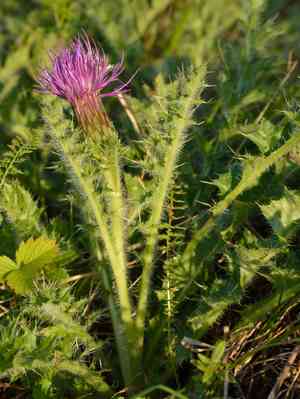
This compact, enduring thistle, recognized for its prickly leaves and violet blossoms, needs infrequent trimming to preserve its inherent mounded form and foster robust development. Trimming dwarf thistle is best performed in the spring or early summer subsequent to blooming to stimulate fresh growth. Sever any lifeless or compromised stalks near the soil level. This horticultural practice not only revitalizes dwarf thistle but also aids in managing its proliferation within the garden, preventing it from overshadowing other flora.
What Are the Benefits of Pruning Dwarf Thistle?
What Are the Benefits of Pruning Dwarf Thistle?
Trimming dwarf thistle promotes robust development and helps maintain its compact shape. By carefully removing parts of dwarf thistle, gardeners can stimulate fresh growth, ensure the plant keeps its desired form, and foster a more vigorous and healthy specimen.
What Is the Best Time for Pruning Dwarf Thistle?
What Is the Best Time for Pruning Dwarf Thistle?
Pruning dwarf thistle from late spring to early summer is crucial as this period follows the plant's flowering but precedes seed production. Trimming at this time helps prevent unwanted spread, given dwarf thistle's prolific self-seeding. Late spring pruning also allows dwarf thistle to direct energy into new growth and maintain vitality since frost risk has passed, minimizing plant stress. In early summer, shaping dwarf thistle can help define its form and size for current and future growing seasons. It's vital to avoid pruning dwarf thistle in late summer or fall, as this can stimulate new growth that won't have enough time to harden before winter, potentially leading to damage or weakened plants.
What Tools Do I Need to Prune Dwarf Thistle?
Gloves
Shield hands from dwarf thistle spines, ensuring a safe pruning operation.
Hand Pruners
Perfect for cutting through the relatively soft stems of dwarf thistle, which typically have a diameter suitable for these tools.
Pruning Saw
Useful for cutting thicker, woodier stems if dwarf thistle is mature and has developed larger stems.
Long-handled Loppers
Offer leverage and reach, enabling precise cuts without getting too close to the spiny foliage of dwarf thistle.
Weed Fork
Allows for careful removal of dwarf thistle from the ground if controlling its spread is necessary. The fork can help loosen soil and uproot the plant without causing excessive disturbance around it.
Garden Shears
Good for trimming and shaping dwarf thistle if required, ensuring clean cuts and promoting healthy regrowth.
How to Prune Dwarf Thistle
Disinfect Tools
Before beginning, clean and sanitize pruning shears to prevent disease transmission to dwarf thistle.
Identify
Locate and mark any diseased or withered leaves and any stems showing signs of illness on dwarf thistle.
Cut Leaves
Using sharp pruning shears, carefully remove diseased and withered leaves from dwarf thistle, making clean cuts to facilitate rapid healing.
Cut Stems
Trim diseased stems of dwarf thistle back to healthy tissue, ensuring cuts are made just above a leaf node or branching point to encourage new growth.
Cleanup
Discard all removed diseased leaves and stems from dwarf thistle to prevent the risk of disease spreading in the garden.
Common Pruning Mistakes with Dwarf Thistle
Overpruning
Removing too much foliage can stress dwarf thistle, hindering its ability to photosynthesize and store energy. It may lead to a weakened plant susceptible to diseases and poor flowering.
Improper Cut Location
Cutting too far from or too close to the main stem can cause damage. Incorrect cuts may leave dwarf thistle vulnerable to pests and diseases, or result in unsightly or non-productive growth.
Using Dull Tools
Pruning with dull tools can cause jagged cuts that are more susceptible to infection. Clean, sharp tools ensure a cleaner cut and faster healing for dwarf thistle.
Pruning In Wet Conditions
Pruning when dwarf thistle or its surrounding environment is wet can increase the risk of spreading diseases between plants.
Common Pruning Tips for Dwarf Thistle
Selective Pruning
Focus on removing dead or weak stems of dwarf thistle to encourage new growth and improve air circulation, while maintaining the plant's natural shape.
Sterilize Tools
Before and after pruning dwarf thistle, disinfect pruning tools to prevent the spread of disease. This is important after cutting away diseased or dead material.
Angle Cuts
Make cuts at a 45-degree angle, just above a leaf node or bud, to promote proper healing and encourage new growth in the desired direction.
Protective Gloves
Protect hands with gloves when pruning dwarf thistle to prevent thorns from causing injury and to maintain a safe and comfortable pruning experience.



