Enhancing Your Garden Design with the Dwarf thistle Plant: A Landscaping Guide
1
Dwarf thistle boosts ecological variety, introducing distinct features to garden layouts.
2
The unique form and hue of Dwarf thistle greatly improve visual appeal.
3
Dwarf thistle offers year-round allure, providing evolving beauty across seasons.
Understanding the Role of Dwarf Thistle in Landscaping
Enhancing biodiversity with Dwarf thistle
Dwarf thistle is vital for boosting landscape biodiversity. Introducing it to your garden fosters a welcoming space for diverse insects and birds, crucial for a healthy ecosystem. Its unique traits attract pollinators like bees and butterflies, aiding pollination and garden health. Furthermore, integrating Dwarf thistle helps sustain local wildlife, offering essential habitat and food sources.
Visual aesthetics of Dwarf thistle: Shape and color contributions
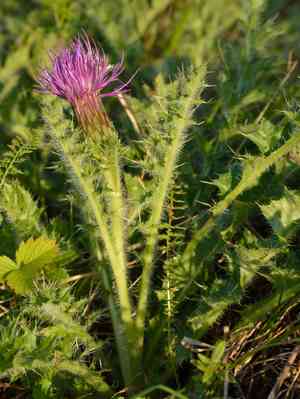
Dwarf thistle's visual appeal stems from its distinct form and vivid colors, capable of transforming any garden. Its spiky texture and bold look add a touch of untamed beauty, standing out from typical garden plants. The varied shades of Dwarf thistle, from deep purples to bright greens, offer striking contrasts and rich visual interest. These qualities make Dwarf thistle an excellent focal point or accent, adding depth and dimension to your garden design.
Seasonal interest: When does Dwarf thistle look its best?
Dwarf thistle provides exceptional seasonal interest, keeping your garden appealing year-round. It typically peaks in summer and early autumn when its flowers are in full bloom. However, Dwarf thistle retains its structural beauty even off-season, thanks to its sturdy foliage and unique shape. Its consistent presence ensures your garden never looks barren, offering continuous appeal regardless of weather or time of year.
Incorporating Dwarf Thistle in Various Garden Themes
Using Dwarf thistle in wild and natural-style landscapes
Dwarf thistle is especially suited for wild and natural-style landscapes, where its rugged appearance and adaptability excel. Its ability to thrive in less cultivated environments makes it perfect for creating a garden that mimics natural habitats. You can plant Dwarf thistle among grasses and other wildflowers to achieve a meadow-like look, fostering a free-flowing and organic garden feel. Its presence bridges cultivated and wild areas, delivering a harmonious blend of nature and design.
Matching Dwarf thistle with formal garden settings
While Dwarf thistle might seem better suited for informal landscapes, it can also fit into formal garden settings. Integrating Dwarf thistle into structured designs requires careful placement to ensure it complements rather than dominates. Use Dwarf thistle as a unique accent in a symmetrical flowerbed or a formal border, where its distinctive form can add an unexpected twist. The key is to balance Dwarf thistle with other traditional plants, maintaining elegance while injecting a bit of adventurous flair.
Creating contrast in contemporary designs with Dwarf thistle
In contemporary garden designs, Dwarf thistle can be an invaluable asset for creating striking contrasts. Its unique aesthetic pairs well with sleek, modern elements like minimalistic sculptures or clean-lined pathways. The bold shape and texture of Dwarf thistle add a dramatic layer to contemporary spaces, creating visual interest while preserving the overall modern vibe. Use Dwarf thistle in alternating patterns or as part of a minimalist planting scheme to capitalize on its bold, architectural qualities.
Strategic Placement of Dwarf Thistle for Maximum Impact
Highlighting entryways and pathways with Dwarf thistle
Strategic placement of Dwarf thistle near entryways and along pathways can significantly boost your garden's visual impact. By framing doorways and walkways with Dwarf thistle, you create a welcoming yet dramatic entrance that guides visitors through your landscape. The plant's bold presence draws attention, adding a sense of journey and exploration. Use Dwarf thistle with ground-cover plants or alongside pavers to direct foot traffic naturally and aesthetically.
Utilizing Dwarf thistle as focal points in garden spaces
Dwarf thistle is an excellent choice for garden focal points, providing visual anchors that draw the eye. Place Dwarf thistle in central locations or among less dramatic plants to create a standout feature that captures attention. Its unique form and vibrant color offer intrinsic aesthetic value, establishing a captivating centerpiece. Additionally, its structural integrity ensures it remains a stable and lasting focal point through various seasons.
Enhancing privacy and creating natural barriers with Dwarf thistle
Beyond its aesthetic appeal, Dwarf thistle can serve practical purposes like enhancing privacy and acting as a natural barrier. Plant Dwarf thistle along property lines or around specific garden areas to form living screens that offer seclusion. Its robust nature ensures it forms dense, impenetrable thickets, making it an effective deterrent against intrusions. This dual functionality of beauty and utility makes Dwarf thistle a versatile plant for addressing privacy needs while maintaining an attractive garden.
Maintenance Tips for Keeping Dwarf Thistle Thriving in Your Garden
Basic watering and sunlight requirements for Dwarf thistle
Maintaining Dwarf thistle involves understanding its fundamental watering and sunlight needs. Dwarf thistle prefers well-drained soil and thrives in full sun to partial shade. Ensure the soil stays moderately moist but avoid overwatering, which can lead to root rot. Regularly check soil moisture levels and adjust watering practices according to seasonal changes. Proper sunlight positioning ensures robust growth and vibrant blooms, contributing to its health and appearance.
Dealing with pests and diseases common to Dwarf thistle
Like any plant, Dwarf thistle can be susceptible to pests and diseases. Common issues include aphids, caterpillars, and fungal infections. Regularly inspect Dwarf thistle for signs of pest activity and take action if necessary. Using natural insecticidal soap or introducing beneficial insects like ladybugs can mitigate pest problems. For fungal issues, ensure proper air circulation around Dwarf thistle and avoid overhead watering. Maintaining garden hygiene by clearing debris also helps prevent common diseases.
Seasonal pruning and care for Dwarf thistle
Seasonal care for Dwarf thistle includes timely pruning to encourage healthy growth and flowering. Trim back dead or damaged parts in early spring to stimulate new growth. Regularly remove spent flowers to prolong blooming and maintain a tidy appearance. During the growing season, consider applying a balanced fertilizer to support robust development. By staying attentive to seasonal maintenance, you ensure Dwarf thistle continues to thrive and enhance your garden's beauty.
The Environmental Benefits of Including Dwarf Thistle in Your Landscape
Supporting local wildlife with Dwarf thistle
Dwarf thistle plays a crucial role in supporting local wildlife, providing food and habitat for various creatures. Its flowers offer nectar for pollinators like bees and butterflies, while its seeds can be a food source for birds. By incorporating Dwarf thistle into your landscape, you contribute to local biodiversity and create a more dynamic ecosystem. This symbiotic relationship benefits both your garden and the surrounding natural environment, fostering a balanced and vibrant habitat.
Contributing to local ecology and the benefits of native plants
As a native plant, Dwarf thistle offers significant ecological benefits, supporting and enhancing local ecosystems. Its adaptability to local soil and climate conditions means it requires fewer resources and interventions to thrive. By planting Dwarf thistle, you help preserve regional flora and biodiversity, maintaining ecological integrity. The resilience of native plants like Dwarf thistle reduces the need for chemical inputs, creating a healthier garden and community environment.
Sustainability aspects: Water and soil management with Dwarf thistle
Dwarf thistle can contribute to sustainable gardening practices through efficient water and soil management. Its deep root system aids in soil stabilization, preventing erosion and improving soil structure. Dwarf thistle's drought tolerance means it requires less frequent watering, conserving water resources. By incorporating Dwarf thistle into your landscape, you adopt a more sustainable approach to gardening, aligning with environmentally-friendly practices and promoting overall garden health.



