How to Transplant Eastern Enchanter's Nightshade?
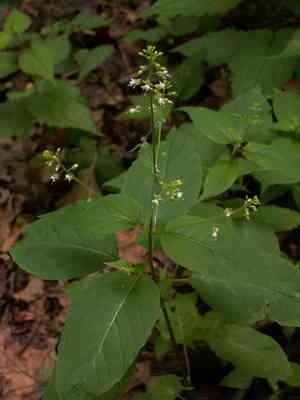
Relocate eastern Enchanter's Nightshade as spring commences, usually from early to mid-season, to leverage pre-growth vitality. Select locations offering shade with damp, adequately draining soil. Careful manipulation of the root system facilitates effortless establishment in its new environment.
What Preparations are Needed Before Transplanting Eastern Enchanter's Nightshade?
What is the Ideal Time for Transplanting Eastern Enchanter's Nightshade?
Early to mid-spring offers the best window for relocating eastern Enchanter's Nightshade. This timing allows eastern Enchanter's Nightshade to settle in mild conditions and benefit from increasing daylight. Additionally, natural spring moisture aids root development. Transplanting eastern Enchanter's Nightshade during this period promotes strong, healthy growth throughout summer. Utilize this optimal transplanting time for successful gardening with eastern Enchanter's Nightshade.
How Much Space Should You Leave Between Eastern Enchanter's Nightshade Plants?
When transplanting eastern Enchanter's Nightshade, ensure ample room for each specimen. Ideally, provide about 1-2 feet (30-60 cm) of clearance. This guarantees sufficient growth space and good air circulation, helping to prevent disease spread.
What is the Best Soil Mix for Eastern Enchanter's Nightshade Transplanting?
Eastern Enchanter's Nightshade thrives in rich, damp soil. For preparation, blend garden soil with a slow-release base fertilizer. This will deliver an extra nutrient boost, helping your plants flourish post-transplant.
Where Should You Relocate Your Eastern Enchanter's Nightshade?
Consider sun exposure when selecting a new spot for eastern Enchanter's Nightshade. This plant prefers partial shade, so avoid areas with intense afternoon sun. A location receiving gentle morning sun but protected from harsh afternoon rays would be perfect.
What Equipments Should You Prepare Before Transplantation Eastern Enchanter's Nightshade?
Gardening Gloves
To shield your hands from sharp objects or rough soil during the eastern Enchanter's Nightshade transplant process.
Shovel or Spade
Necessary for digging the planting hole for eastern Enchanter's Nightshade and extracting the plant from its original spot.
Pruning Shears
For trimming any damaged roots or foliage both before and after the transplant.
Watering Can
Required to hydrate the eastern Enchanter's Nightshade plant once it has been moved.
Garden Fork
Useful for loosening the soil around eastern Enchanter's Nightshade before its removal from the initial location.
Planting Trowel
This smaller tool assists in more precise handling of garden soil during the transplanting procedure.
Wheelbarrow or Tarp
To move larger eastern Enchanter's Nightshade plants from their initial site to their new home.
How Do You Remove Eastern Enchanter's Nightshade from the Soil?
How Do You Remove Eastern Enchanter's Nightshade from the Soil?
From Ground: Begin by watering the eastern Enchanter's Nightshade to moisten the soil, facilitating easier removal. Use a garden spade or shovel to dig a wide trench around the plant, being careful not to harm the roots. Then, gently slide the spade beneath the root ball and carefully lift the plant.From a Pot: Before removing, water the eastern Enchanter's Nightshade. Turn the pot sideways and tap it lightly to loosen the soil and roots. If it resists, run a knife along the pot's inner edge to help separate the roots from the container.From Seedling Tray: Water the eastern Enchanter's Nightshade seedling tray beforehand. Gently lift out the seedling, ideally using a spoon to retain as much soil with the roots as possible. Handle seedlings by their leaves to prevent damage to stems and roots.
Step-by-Step Guide for Transplanting Eastern Enchanter's Nightshade
Preparation
Ensure all necessary tools from the list are ready. Check the weather â avoid transplanting on hot, sunny days to minimize stress on the eastern Enchanter's Nightshade plant.
Digging a Hole
The hole should be twice the width of the root ball and equally deep. This provides ample room for roots to spread and grow.
Placing the Plant
Carefully position the eastern Enchanter's Nightshade in the hole, ensuring it sits at the same depth as its original location.
Backfilling
Refill the hole with the excavated soil, gently pressing around the base of the eastern Enchanter's Nightshade.
Watering
Water the plant immediately after transplanting, saturating the soil without waterlogging. This aids in establishing root-to-soil contact.
How Do You Care For Eastern Enchanter's Nightshade After Transplanting?
Observation
Monitor your eastern Enchanter's Nightshade for several weeks post-transplant. Look for healthy new growth and signs of stress like wilting or discoloration. If observed, ensure the plant receives appropriate care.
Watering
Keep the soil slightly moist but avoid overwatering, which can drown roots and cause rot. The goal is hydrated, not waterlogged, soil.
Pruning
As eastern Enchanter's Nightshade adjusts, some leaf drop is normal. Prune any dead, dying, or damaged leaves to help the plant direct energy towards new growth.
Mulching
Apply a layer of mulch around eastern Enchanter's Nightshade to help retain soil moisture and suppress weeds. Ensure the mulch doesn't touch the plant stem to prevent potential rot.
Feeding
Wait at least one month after transplanting before feeding eastern Enchanter's Nightshade to prevent root burn. When ready, use a mild, slow-release fertilizer suitable for perennials.
Troubleshooting Common Issues with Eastern Enchanter's Nightshade Transplantation.
What is the perfect time to transplant eastern Enchanter's Nightshade?
Eastern Enchanter's Nightshade should ideally be transplanted during S1-S2. This allows the plant sufficient time to establish roots before harsh weather conditions.
What's the ideal spacing for eastern Enchanter's Nightshade while transplanting?
When transplanting eastern Enchanter's Nightshade, a gap of 1-2 feet (30.5-60.9 cm) is recommended. This provides each plant ample room to grow and thrive.
Why is my transplanted eastern Enchanter's Nightshade wilting?
Wilting may indicate insufficient moisture. Ensure the soil around eastern Enchanter's Nightshade remains consistently moist, especially during the initial weeks post-transplant.
How deep should the hole be when transplanting eastern Enchanter's Nightshade?
Dig a hole equal to the depth of the eastern Enchanter's Nightshade's root ball and twice its width. This allows roots to spread and properly establish the plant.
How can I ensure the survival of eastern Enchanter's Nightshade after transplanting?
Apply mulch around eastern Enchanter's Nightshade after transplanting to conserve moisture, control weeds, and regulate soil temperature, promoting better growth and survival rates.
Why is my transplanted eastern Enchanter's Nightshade turning yellow?
Yellowing might stem from overwatering or poor drainage. Ensure a balance, keeping the soil moist but not waterlogged.
Can I transplant eastern Enchanter's Nightshade in a pot? How large should it be?
Yes, eastern Enchanter's Nightshade can be moved to a pot. It should have a minimum depth and width of 10 inches (25 cm) to allow adequate root growth.
How often should I water the eastern Enchanter's Nightshade after transplanting?
Initially, water eastern Enchanter's Nightshade daily for one week post-transplant. Afterward, water consistently to maintain mildly moist soil, depending on the climate.
Is fertilization necessary while transplanting eastern Enchanter's Nightshade?
You should incorporate a slow-release fertilizer to enhance the soil's nutrient content, encouraging healthier and faster growth of eastern Enchanter's Nightshade after transplanting.
When will my transplanted eastern Enchanter's Nightshade start to flower?
Eastern Enchanter's Nightshade may take time to establish itself after transplanting. Generally, flowering can be anticipated in the subsequent growth cycle or season.



