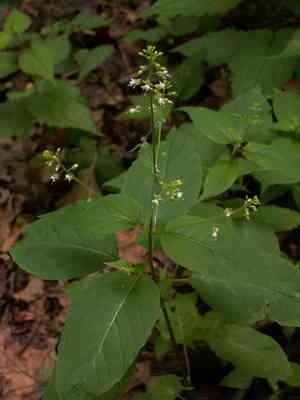
Eastern Enchanter's Nightshade (Circaea canadensis)
Also known as: Broad-Leaved Enchanter's Nightshade
Eastern Enchanter's Nightshade (Circaea canadensis) is a perennial herb that flourishes in the moist, shaded understories of deciduous forests, wooded ravines, and along stream banks, particularly in central North America. This plant prefers rich, well-drained soils and high organic matter. After blooming, its seed pods turn into small burrs that can cling to the fur of animals or the clothing of hikers. Despite its name, it is not a true nightshade but belongs to the evening primrose family.
In This Article
Attributes of Eastern Enchanter's Nightshade
Lifespan
Perennial
Plant Type
Herb
Plant Height
30 cm to 61 cm
Spread
Not applicable
Leaf Color
Green
Flower Size
0.2 to 0.4 cm
Flower Color
White Pink Red
Images of Eastern Enchanter's Nightshade
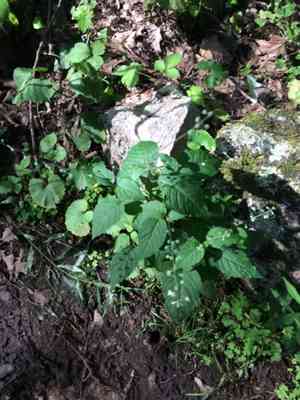
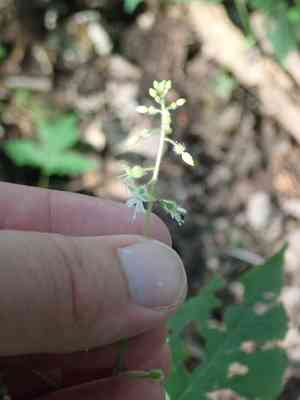
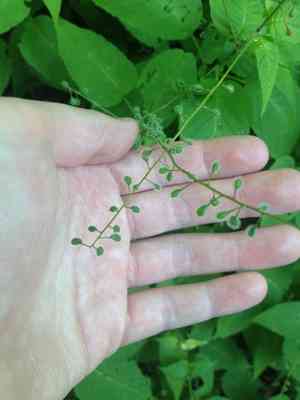
Quickly Identify Eastern Enchanter's Nightshade
1
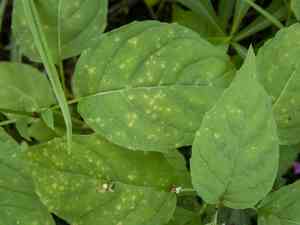
Circaea canadensis can be identified by its opposite, ovate leaves with coarse teeth, and small white flowers arranged in loose terminal racemes. The plant\'s fruit is a small, bristly capsule.
Scientific Classification of Eastern Enchanter's Nightshade
Phylum
Vascular plants
Class
Dicotyledons
Order
Myrtales
Family
Evening primrose
Genus
Enchanter's nightshades
Species
Eastern Enchanter's Nightshade
Planting and Growing of Eastern Enchanter's Nightshade
Care Difficulty
Easy
Watering Schedule
Every 2 days
Sunlight Requirements
Partial sun
Sunshine Duration
6-12 hours
Ideal Temperature
60-75℉
Soil Type
Potting Mix
Soil pH
6.5-7.5
Fertilizer Type
Balanced
Pruning Season
Spring, Summer
Pruning Area
Branches, Leaves
Pruning Frequency
2 times a year
Repotting Season
Spring
Pot Type
Plastic, Ceramic
 How to Water Eastern Enchanter's Nightshade?
Circaea canadensis, commonly known as enchanter's nightshade, prefers moderate watering. The goal is to keep the soil consistently moist but not soggy. A typical watering session involves approximately 250 milliliters of water, ensuring even distribution around the plant base.
What are the symptoms of an underwatered Eastern Enchanter's Nightshade?
›
What should I do if my Eastern Enchanter's Nightshade is not getting enough water?
›
What are the symptoms of an overwatered Eastern Enchanter's Nightshade?
›
How to save an overwatered Eastern Enchanter's Nightshade?
›
 What Are the Sunlight Requirements for Eastern Enchanter's Nightshade?
This plant thrives in areas with partial sun to full shade, replicating its native forest floor habitat. This lighting supports robust growth while safeguarding against excessive sun exposure.
More About Sunlight Requirements Techniques→
What is the suitable lighting condition?
›
How can you ensure ideal lighting conditions?
›
What benefits does proper lighting bring?
›
 What Is the Ideal Temperature Range for Eastern Enchanter's Nightshade?
The ideal temperature range for Circaea canadensis, also known as Enchanter's Nightshade, is between 60°F and 75°F. This range allows the plant to thrive, ensuring optimal growth and vitality. During this temperature range, the plant can efficiently photosynthesize, uptake nutrients, and maintain healthy cellular processes. These conditions mirror the mild climates where the plant naturally thrives, providing a balance that supports robust foliage and continual development.
 What Soil is Best for Eastern Enchanter's Nightshade?
Circaea canadensis thrives in soil that retains moisture well. This ensures the plant remains hydrated between watering sessions and helps in nutrient absorption, crucial for lush foliage. A soil rich in organic matter supports the robust growth of Circaea canadensis, providing essential nutrients that promote healthy development and vibrant blooms. Loose soil with good aeration is vital for Circaea canadensis as it facilitates root penetration and oxygen availability, enhancing plant vigor and reducing the risk of root diseases.
 How to Fertilize Eastern Enchanter's Nightshade?
For Circaea canadensis, moderation is key. Too much nutrient supply can lead to lush foliage with fewer flowers, while too little can stunt growth. Use a balanced liquid fertilizer diluted to half strength, applying about 250 ml for small plants and up to 500 ml for larger ones. For slow-release fertilizers, use around 10 grams per plant, scattered evenly around the base.
 How to Prune Eastern Enchanter's Nightshade?
Prune during the cooler parts of the day to minimize plant stress. Early morning or late afternoon are ideal times to undertake pruning activities. Begin by removing any dead or diseased branches. These can be identified by their discolored or wilted appearance. Removing these will help prevent the spread of disease. Trim back excess growth to maintain the desired shape of the plant. Focus on cutting just above a healthy leaf node to encourage new, bushy growth. After pruning, always clean your tools to prevent the spread of plant diseases. A solution of bleach and water can be used to disinfect the cutting surfaces.
More About Pruning Techniques→
 How to Propagate Eastern Enchanter's Nightshade plant?
1
Collect the seeds in the early autumn when they have matured. Ensure that you clean them thoroughly to remove any plant debris, as this can inhibit germination.
2
Prepare a well-draining mix of soil using a combination of sand, peat, and compost. This mixture is vital for seed propagation as it allows roots to develop freely without retaining excess moisture.
3
Plant seeds about a quarter-inch deep in prepared soil. Water gently but thoroughly, ensuring that the soil remains moist but not soggy to encourage germination.
 How to Repot Eastern Enchanter's Nightshade plant?
1
Circaea canadensis signals its need for repotting through slowed growth, roots poking out of the drainage holes, or water not absorbing properly. Ideally, repotting should occur in spring when the plant is entering its growing phase, allowing it to quickly adapt to a new pot environment.
2
Select a pot that is one size larger, with sufficient drainage holes. This prevents water accumulation at the bottom, which can lead to root rot. A well-chosen pot ensures proper air circulation and root development, fostering healthier growth.
3
Opt for a well-draining potting mix that can retain moisture—but not too much. These soils provide adequate aeration and prevent root rot by allowing excess water to flow out, ensuring the roots stay healthy and robust.
Learn More About Eastern Enchanter's Nightshade Diseases
Anthracnose
Bacterial Leaf Spot
Bacterial Soft Rot
Bacterial Wilt
Crown Gall
Cyst Nematode
Damping-off
Downy Mildew
Drought Stress
Fusarium Wilt
Gray Mold
Leaf Spot
Mosaic
Nutrient Deficiency
Nutrient Toxicity
Powdery Mildew
Root Rot
Root-knot Nematode
Rusts
Sooty Mold
Spider Mites
Temperature Stress
Thrips Damage
White Mold



