How to Overwinter Eastern Enchanter's Nightshade
1
Eastern Enchanter's Nightshade tolerates frost and endures cold winters if cared for correctly.
2
Applying mulch insulates the ground, keeping root temperatures consistent.
3
Winter watering should be sparse to prevent root decay.
What is Eastern Enchanter's Nightshade?
What is Eastern Enchanter's Nightshade?
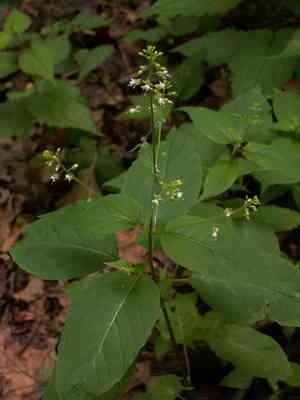
Eastern Enchanter's Nightshade (Circaea canadensis) is a small, perennial plant commonly found in North American forests. Known for its delicate white flowers that bloom in late summer, this plant thrives in shaded, damp environments. While it can be an attractive addition to shade gardens, proper care is essential, especially during the winter months, to ensure it continues to flourish year after year.
Understanding Frost Hardiness of Eastern Enchanter's Nightshade
Defining Frost Hardiness
Frost hardiness refers to a plant's capacity to survive freezing temperatures. Some plants are naturally resistant to cold, while others require specific care practices to endure winter. Eastern Enchanter's Nightshade falls into the frost-hardy category, meaning it can tolerate low temperatures without significant damage, provided it is cared for correctly.
Why Frost Hardiness is Important for Eastern Enchanter's Nightshade
Understanding frost hardiness is crucial for Eastern Enchanter's Nightshade, as it informs the steps you need to take to protect your plants from winter damage. Knowing that this plant is hardy allows gardeners to strategize winter care, ensuring that it not only survives but also thrives in the coming growing seasons.
Preparing Eastern Enchanter's Nightshade for Winter
Cleaning and Pruning
Before winter sets in, clean around the base of the plant to remove any dead leaves, debris, or weeds. This helps prevent pests and diseases from overwintering and affecting your plant come spring. Pruning should be minimal, focusing on removing any dead or damaged stems.
Mulching Techniques
Mulching is one of the best ways to protect Eastern Enchanter's Nightshade during winter. Apply a 5-10 cm (2-4 inches) layer of organic mulch, such as straw, leaves, or wood chips, around the base of the plant. This helps insulate the soil, maintaining a more consistent temperature and reducing the likelihood of freeze-thaw cycles that can damage roots.
Positioning and Placement During Winter
Choosing the Right Location
Eastern Enchanter's Nightshade should be placed in a location that is sheltered from extreme conditions. If possible, plant it in an area that provides natural windbreaks, such as behind shrubs or next to buildings, to protect it from cold gusts.
Protecting from Harsh Winds and Frost
Additional protective measures, such as using garden fabric or frost cloths, can help shield plants from harsh winds and direct frost. These covers should be breathable to prevent excess moisture accumulation, which can lead to other issues.
Common Issues and Solutions During Winter
Identifying Frost Damage
Frost damage on Eastern Enchanter's Nightshade appears as blackened or wilted leaves and stems. If you notice any signs of frost damage, remove the affected parts immediately to prevent further issues and encourage healthy growth in the spring.
Addressing Root Rot
Root rot is a common issue for many plants in winter, often caused by overwatering. To avoid root rot, ensure the soil has good drainage and reduce watering frequency. If you suspect root rot (evidenced by yellowing leaves and a general decline in plant health), carefully dig up the plant, trim away affected roots, and replant in fresh, well-draining soil.



