How to Transplant Bearmat?
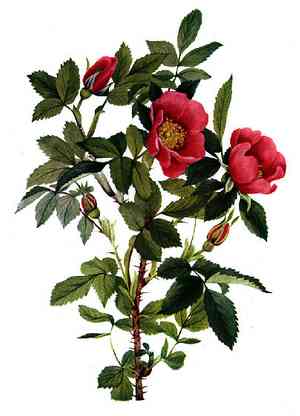
The ideal period for transplanting bearmat spans from early spring's melting snow to the threshold of summer's heat, allowing roots to settle in moderate conditions. Select a location offering partial shade and soil that drains effectively. Careful manipulation is crucial to lessen root shock.
Essential Preparations Before Relocating Bearmat
Optimal Period for Bearmat Relocation?
The ideal time for moving bearmat is the revitalizing phase from late winter to early summer. This timeframe allows bearmat to develop strong roots before the rigors of colder periods or intense summer heat. Placing bearmat in its new spot during this gentle climate promotes its vitality and boosts its chances of flourishing, thanks to moderate temperatures and perfect soil conditions for root growth. By utilizing this favorable window, you provide bearmat with a supportive environment, ensuring a smooth transition and a prosperous future. So, embrace this season as it offers a mix of mild weather and growth-promoting warmth, perfect for bearmat's successful fresh start.
Recommended Spacing Between Bearmat Plants?
Greetings, gardener! When moving bearmat, aim to give each plant ample room to thrive. A spacing of 24-36 inches (61-91 cm) will suffice. This distance enables roots to spread and foliage to absorb sunlight â precisely what bearmat requires!
Best Soil Blend for Bearmat Relocation?
For bearmat, consider their 'feet' â roots prefer well-draining soil enriched with some compost or aged manure. A balanced, slow-release fertilizer will gently encourage robust growth. Just apply it according to package directions before planting!
Where to Replant Your Bearmat?
Sunny locations make bearmat happiest! Position them where they will receive full to partial sun for most of the day. Morning sun with some afternoon shade is perfect to keep them vibrant without scorching.
Tools Required Before Bearmat Transplantation
Gardening Gloves
To safeguard your hands while handling soil and plants.
Shovel or Spade
For excavating the plant and moving it to a new spot.
Watering Can
For initial watering and post-transplant irrigation.
Pruning Shears
To trim any dead or excess foliage and roots.
Wheelbarrow or Plant Trolley
To move the bearmat without causing damage.
Measuring Tape
To ensure correct spacing from other plants and structures.
Garden Hose with Adjustable Nozzle
For gentle watering to prevent soil erosion.
How to Extract Bearmat from the Ground
How to Extract Bearmat from the Ground?
From Ground: First, moisten the bearmat's soil. Then, dig a wide trench around the plant using a shovel or spade, ensuring the root ball stays intact. Carefully work the spade beneath the root ball to lift the plant from its original spot.From Pot: Start by gently watering the bearmat. Tilt the pot sideways and tap its sides to loosen the soil. Gradually ease the plant out by its base, being careful not to harm the stem or roots.From Seedling Tray: Water the seedling tray to make the soil damp. Gently push the bearmat seedling from the bottom of the tray or use a gardening tool to lift it out without damaging the root system.
Detailed Guide for Bearmat Transplantation
Pre-Transplant Preparation
Water the bearmat in its current location the day before transplanting to ensure root hydration.
Digging the New Hole
Excavate a hole in the new location that is twice the width of the root ball and the same depth to avoid burying the stem too deeply.
Root Pruning
Trim any broken or overly long roots with pruning shears to encourage fresh growth.
Placing the Plant
Position the bearmat in the center of the hole, ensuring the crown is at ground level. Spread the roots evenly within the hole.
Backfilling
Gently refill the hole with soil around the bearmat's roots, making sure there are no air pockets by lightly compacting the soil.
Initial Watering
Thoroughly water the bearmat after planting to settle the soil and remove air gaps around the roots.
Stabilization
If needed, add support stakes to help the bearmat stay upright and stable while its roots establish.
Post-Transplant Care for Bearmat
Monitoring
Regularly check the bearmat to confirm it is adjusting well to its new environment.
Support Adjustment
Adjust supports as the bearmat grows to ensure they remain effective and do not hinder plant development.
Mulching
Apply a layer of mulch around the base of bearmat to help maintain soil moisture and temperature.
Pruning
Trim any dead or damaged foliage to encourage healthy new growth.
Addressing Common Bearmat Transplantation Issues
When is the best time to move bearmat?
Relocate bearmat during mild weather, ideally from early spring until the beginning of summer.
How much space should I leave between bearmat when transplanting?
Ensure bearmat is adequately spaced, about 24-36 inches (61-91 cm), to promote proper growth and air circulation.
What depth should the planting hole be for bearmat?
Dig a hole as deep as the root ball and twice as wide to allow for healthy root expansion.
Why are bearmat leaves wilting after transplanting?
Wilting may indicate shock or insufficient water. Keep soil consistently moist without overwatering, especially after transplanting.
Should I prune bearmat when transplanting?
Lightly prune damaged or dead parts to help bearmat direct energy to root establishment post-transplant.
My bearmat isn't thriving after transplant, what should I do?
Verify if bearmat is in partial shade and well-drained soil; adjust watering and shield from harsh conditions.
Can I use fertilizer immediately after transplanting bearmat?
Wait a few weeks before fertilizing bearmat to prevent burning new roots; allow the plant to settle first.
How much water does bearmat need after transplanting?
Water bearmat generously upon transplanting, then maintain moist soil until the plant is established.
What soil type is best for transplanting bearmat?
Utilize a well-draining, fertile soil rich in organic matter to provide a nourishing foundation for bearmat.
How can I protect bearmat after transplanting from pests?
Regularly inspect bearmat for pests, ensure adequate spacing for air circulation, and use appropriate organic deterrents if necessary.



