The Bearmat Plant Advantage: Maximizing Home and Office Appeal and Wellness
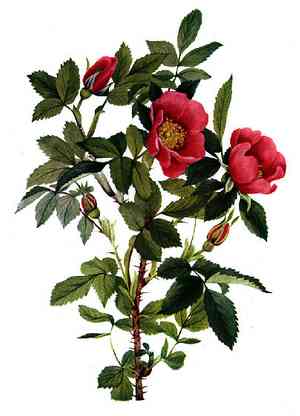
1
Bearmat is recognized for its strong capacity to thrive in dry climates.
2
This flora aids in maintaining soil integrity by preventing erosion naturally.
3
Its fragrant foliage finds application in herbal medicines and customary practices.
What Makes Bearmat Unique?
Resilience in Harsh Environments
Bearmat is notable for its remarkable capacity to thrive in dry conditions. This plant flourishes in areas with limited water, thanks to its deep root system that effectively accesses subterranean moisture. Its drought-resistant nature ensures survival even in the most severe climates, making it a vital asset in regions facing environmental challenges.
Contribution to Soil Health
A key attribute of Bearmat is its capacity to stabilize soil. The plant's root network helps prevent soil degradation by binding the soil, particularly on inclines and other areas prone to erosion. This positions Bearmat as a crucial partner in maintaining ecosystem vitality and fostering sustainable land management. Furthermore, its presence boosts soil fertility by adding organic matter, which supports the growth of surrounding vegetation.
How Does Bearmat Support Biodiversity?
Wildlife Habitat
Bearmat offers essential shelter and food sources for diverse wildlife species. Birds, insects, and small mammals utilize the plant for refuge and sustenance. The foliage and seeds of Bearmat provide nourishment to many species, thus its function in local ecosystems is critical for preserving biodiversity.
Fostering Plant Variety
Bearmat frequently coexists with numerous other plant species, contributing to a rich plant community. This variety is vital for ecosystem resilience, as it ensures that ecosystems can endure environmental pressures like droughts and diseases. Symbiotic relationships with other native flora also highlight Bearmat's role in sustaining plant diversity.
Why is Bearmat Important for Landscaping and Conservation?
Application in Landscaping Projects
Given its robustness and visual appeal, Bearmat is increasingly favored in landscaping designs. Its dense foliage and fragrant leaves not only offer natural beauty but also act as a natural pest deterrent. Landscapers value Bearmat for its ability to flourish with minimal upkeep, contributing to environmentally friendly gardening practices.
Role in Conservation Efforts
Bearmat plays a significant part in conservation initiatives, especially in regions impacted by desertification and soil erosion. Its use in reforestation projects aids in restoring degraded lands and supports the rejuvenation of native plant communities. Conservationists are leveraging the plant's inherent resilience to create more sustainable environments.
What Traditional Uses Does Bearmat Have?
Aromatic and Medicinal Applications
Historically, the fragrant leaves of Bearmat have been utilized for their pleasant aroma and potential natural healing properties. Local communities have traditionally incorporated Bearmat in various customs, appreciating its contributions beyond just its ecological benefits.
Cultural Significance
Bearmat holds cultural importance for many indigenous communities. It appears in traditional ceremonies and rituals, reflecting a deep respect and understanding of the plant's value. These cultural practices underscore the necessity of preserving Bearmat not only for ecological reasons but also for cultural heritage.



