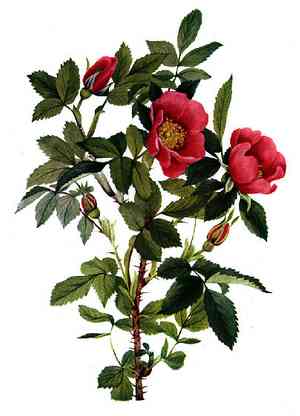
Bearmat (Chamaebatia foliolosa)
Also known as: Bear clover
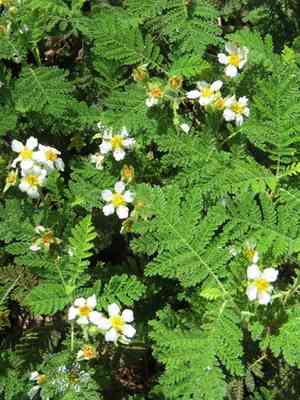
Chamaebatia foliolosa, commonly known as mountain misery or bearclover, is a flowering evergreen shrub native to California's mountainous regions. Its leaves can reach up to 10 cm in length.
In This Article
Attributes of Bearmat
Lifespan
Perennial
Plant Type
Shrub
Plant Height
15 cm to 1.2 m
Spread
30 cm to 60 cm
Leaf Color
Green
Flower Size
1.3 cm to 1.8 cm
Flower Color
White Purple
Images of Bearmat
Quickly Identify Bearmat
1
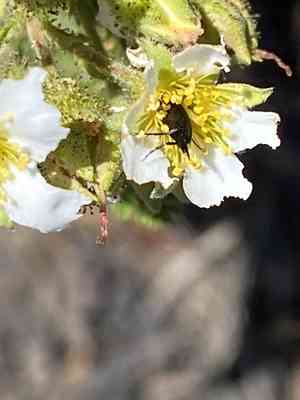
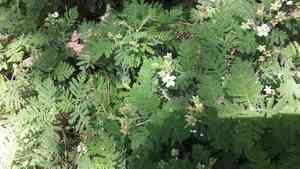
Chamaebatia foliolosa can be identified by its fern-like, sticky, highly aromatic leaves and small white flowers. It often grows in dense, low mats on dry, rocky hillsides.
Scientific Classification of Bearmat
Phylum
Vascular plants
Class
Dicotyledons
Order
Rosales
Family
Rose
Genus
Mountain misery
Species
Bearmat
Planting and Growing of Bearmat
Care Difficulty
Easy
Watering Schedule
Every 2 days
Sunlight Requirements
Partial sun
Sunshine Duration
4-8 hours
Ideal Temperature
60-75℉
Soil Type
Potting Mix, Peat Mix
Soil pH
6.5-7.5
Fertilizer Type
Balanced
Pruning Season
Spring, Summer
Pruning Area
Branches, Leaves
Pruning Frequency
Once a year
Repotting Season
Spring
Pot Type
Ceramic, Plastic
 How to Water Bearmat?
Chamaebatia foliolosa requires about 750 milliliters of water per session. Ensure the soil is evenly moist but not waterlogged, allowing the top inch of soil to dry out between waterings. This simulates its natural environment, promoting healthy growth.
What are the symptoms of an underwatered Bearmat?
›
What should I do if my Bearmat is not getting enough water?
›
What are the symptoms of an overwatered Bearmat?
›
How to save an overwatered Bearmat?
›
 What Are the Sunlight Requirements for Bearmat?
Partial sun with 2 to 6 hours of sunlight daily is ideal for Chamaebatia foliolosa. This ensures that it receives enough light for photosynthesis while avoiding excessive exposure that can harm its foliage.
More About Sunlight Requirements Techniques→
What is the best lighting condition for Chamaebatia foliolosa?
›
How to achieve ideal lighting for my plant?
›
What benefits does the ideal lighting provide?
›
 What Is the Ideal Temperature Range for Bearmat?
To cultivate Chamaebatia foliolosa successfully, it is essential to maintain an ideal temperature range between 60°F and 75°F. These temperatures mimic the plant's native habitat conditions, promoting optimal growth and health by supporting its physiological and metabolic processes.
 What Soil is Best for Bearmat?
Chamaebatia foliolosa thrives in well-draining soil that prevents waterlogging. This allows for adequate root aeration and prevents root rot, ensuring the plant grows healthily and vigorously. A nutrient-rich soil is essential for the vibrant growth of Chamaebatia foliolosa. It provides essential minerals and nutrients that help in robust foliage and overall plant vitality. This plant prefers soil with low to average fertility which mimics its natural habitat, preventing excessive vegetative growth that can lead to weaker structural integrity.
 How to Fertilize Bearmat?
For Chamaebatia foliolosa, use a balanced liquid fertilizer diluted to half strength. For each application, aim for about 1 cup of the diluted solution per plant. This allows for adequate nutrient intake without the risk of over-fertilization.
 How to Prune Bearmat?
Start by sanitizing your pruning tools to prevent disease spread. Begin pruning in early spring or autumn when the plant is not actively growing. First, remove any dead, damaged, or diseased branches. Then, trim off any branches that are crossing or excessively crowded to improve air circulation. Shape the plant by cutting back overgrown branches to encourage a more bushy appearance.
More About Pruning Techniques→
 How to Propagate Bearmat plant?
1
Start by collecting seeds from mature Chamaebatia foliolosa plants. Clean the seeds and remove any debris or pulp that may hinder germination. It's beneficial to soak the seeds in water overnight to enhance the germination rate.
2
Choose healthy, non-flowering shoots and make a clean cut using sterilized shears. Remove the lower leaves, leaving a few at the top to reduce water loss through transpiration. Dip the cut end in rooting hormone to encourage roots development.
3
Use a well-draining soil mix or a mixture of sand and peat to fill your seed trays or pots. This will provide a good balance of moisture retention and aeration, crucial for seed and cutting propagation. Ensure the soil is moist but not waterlogged.
 How to Repot Bearmat plant?
1
Chamaebatia foliolosa shows clear signs when it needs repotting. Look for roots growing out of the drainage holes or circling around the pot's surface. If the plant's growth seems stunted or if water isn't absorbing well into the soil, it's time for a new pot. Always opt for repotting in spring when the plant naturally gears towards new growth, minimizing stress.
2
When selecting a new pot for your Chamaebatia foliolosa, ensure it's only slightly larger than the current pot, typically about 1-2 inches wider. The pot must have drainage holes to prevent waterlogging, which can lead to root rot. Choosing a breathable material like terracotta can also enhance aeration, benefiting the plant's overall health.
3
The ideal soil for repotting Chamaebatia foliolosa is well-draining and sandy. This replicates its natural habitat and prevents root rot. Incorporating gritty materials like perlite or small gravel can improve drainage and aeration, ensuring the roots don't stay too wet, which significantly boosts plant vitality.



