How to Propagate Bearmat?
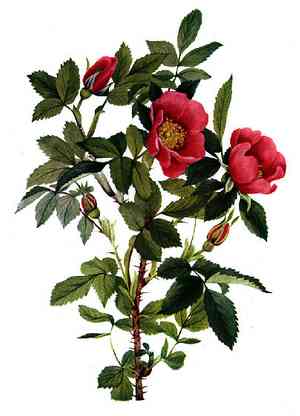
Belonging to the Rosaceae botanical group and originating from California, bearmat is a prostrate, ligneous shrub that extends across the woodland ground. It is distinguished by its fragrant, fern-like leaves and its tendency to create thick coverings, which explains its common name. For effective reproduction of bearmat, cuttings are the preferred method. Select robust, semi-lignified sections, ideally during periods of vigorous development. Confirm that each cutting possesses multiple nodes and is free from ailments. Utilize a rooting substrate that drains effectively and sustain uniform dampness without oversaturation. A rooting stimulant can improve successful rooting, though it is not strictly necessary. Once rooted, bearmat flourishes in conditions ranging from partial to full sunlight, adapting readily to diverse soil types as long as they offer good drainage.
Optimal Time for Bearmat Propagation
Propagation Method
Cutting
Propagation Period
Spring,Summer
Tools for Bearmat Propagation
Sharp Pruning Shears
Crucial for taking clean bearmat cuttings, sharp shears minimize plant damage, promoting better healing and rooting. A clean cut prevents infection and boosts propagation success.
Rooting Hormone
This chemical compound encourages root development in bearmat cuttings. Applying it to the base significantly improves rooting success by fostering quicker, stronger root growth, vital for new plants.
Sterilized Potting Mix
A sterile potting mix is essential for providing a disease-free environment for bearmat cuttings to root. This reduces the risk of soil-borne pathogens that could impede growth or kill young cuttings.
Humidity Dome
A humidity dome helps maintain high humidity around bearmat cuttings, crucial for preventing delicate tissues from drying out before roots form. This tool enhances overall cutting success by providing ideal moisture conditions.
Heat Mat
For propagation, especially in cooler climates, a heat mat under trays maintains optimal temperature. This warmth supports faster root development in bearmat cuttings, ensuring higher success and healthier initial growth.
Propagating Bearmat
Propagation Difficulty
Moderately Difficult
Post-Propagation Care for Bearmat
Post-Propagation Care for Bearmat
Once roots are established, gradually introduce bearmat to lower humidity by removing the cover or opening vents. Water consistently, allowing the top inch of soil to dry between waterings. Position bearmat in partial shade, away from harsh direct sun. Fertilize with a balanced, slow-release product during active growth. Regularly check for pests and diseases, using organic pesticides as needed.
Common Propagation Errors for Bearmat
Overwatering
Excessive moisture can cause root rot and fungal issues, harming bearmat's health and reducing propagation success.
Using contaminated soil
Unsterilized soil may contain pathogens detrimental to bearmat. Using it for propagation can introduce diseases to new cuttings or seedlings.
Insufficient light
Bearmat needs adequate light to flourish. Poor lighting can lead to weak growth and decrease the likelihood of successful propagation.
Ignoring humidity requirements
Bearmat may need specific humidity levels for optimal propagation. Neglecting these can lead to propagation failure.
Incorrect cutting techniques
For this species, improper cuts or dull tools can damage sensitive tissues, potentially causing infection or poor rooting.
Bearmat Propagation Advice
Use well-draining soil
Ensuring the propagation medium drains well prevents waterlogging, protecting bearmat's delicate roots from rot.
Sterilize tools and containers
This minimizes the risk of introducing pathogens to bearmat during the propagation process.
Provide bright, indirect light
Sufficient lighting supports photosynthesis and healthy growth in bearmat, increasing the chances of propagation success.
Maintain appropriate humidity
Keeping bearmat in a moderately humid environment helps encourage root development and prevents cuttings from drying out.
Practise proper cutting techniques
Using a sharp, clean tool for precise cuts ensures healthy bearmat cuttings, crucial for successful rooting.



