How to Transplant Honeywort?
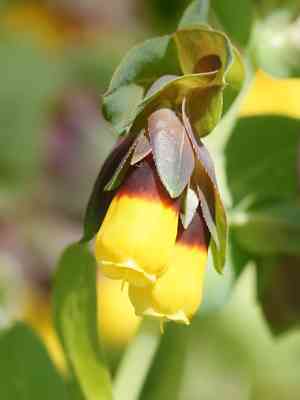
For optimal results with honeywort, carefully transplant them during springtime – when the ground becomes active again. Choose a location bathed in sunlight with soil that drains effectively. Exercise extreme care, as their root systems are as fragile as the flowers they produce.
Preparations for Transplanting Honeywort
Optimal Transplanting Period for Honeywort
The best time to move honeywort is during the mild conditions of early to mid-spring, once the risk of frost has passed. This timing allows honeywort to establish its root system in moderate soil temperatures, preparing it for vigorous growth. Relocating honeywort in this season ensures it benefits from increasing daylight, which significantly aids its development. Spring's gentle weather helps honeywort acclimate to its new environment before summer's heat. A friendly reminder: spring's mildness gives honeywort a head start, setting the stage for impressive blooms.
Recommended Spacing Between Honeywort Plants
For honeywort, aim to position each plant 2-3 feet (60-90 cm) apart. This provides ample room for them to expand and thrive. It's crucial to give honeywort adequate personal space!
Ideal Soil Mixture for Honeywort Transplanting
Honeywort thrives in well-drained, nutrient-rich soil. Incorporating peat moss or compost can enrich the soil base, boosting its nutritional content. Adding a slow-release granular fertilizer can supply the necessary sustenance for healthy development.
Optimal Location for Relocating Your Honeywort
Regarding placement, ensure honeywort is situated in full sun to light shade. They appreciate brighter conditions! Remember to consider the sun's trajectory when deciding on your plant's position.
Equipment Needed Before Transplanting Honeywort
Gardening gloves
To shield your hands from sharp implements and dirt.
Hand Trowel
Useful for digging small holes and moving soil.
Shovel
Required for excavating larger holes in the ground.
Garden Fork
Excellent for loosening the soil prior to transplanting.
Watering Can
For hydrating plants before and after relocation.
Compost
To offer a nutrient-dense environment for the transplanted honeywort's roots.
Gardening Scissors
Helpful for trimming any damaged or diseased foliage or stems.
Mulch
To assist in maintaining consistent soil moisture levels for stronger root growth.
Stakes
If the plant is tall, these will be needed for support.
String
To secure the plant to the stakes for additional stability.
How to Extract Honeywort from the Soil
How to Extract Honeywort from the Soil
From Ground: Thoroughly water the honeywort plant to help loosen the soil around its roots. Dig a wide trench around the plant using a shovel, leaving sufficient space to avoid damaging the root system. Carefully lift the root ball from beneath with a garden fork, ensuring no roots are broken. Gently rinse off any remaining soil to prepare the plant for transplanting. From Pot: Water the pot extensively to facilitate plant removal. Tilt the pot sideways, apply gentle pressure to the sides, and roll it to loosen the soil. Carefully extract the plant, taking care not to harm the roots. Clean any residual soil from the roots. From Seedling Tray: Water the tray before removal. Use a trowel to gently scoop the honeywort plant from the tray, being cautious not to excessively disturb the roots. Clean off any surplus soil from the roots.
Step-by-Step Guide for Transplanting Honeywort
Preparation
Dig a suitably sized hole using a shovel. It should be twice as wide and slightly deeper than the root ball. Add a layer of compost at the bottom of the hole.
Planting
Gently place the honeywort plant into the hole. The top of the root ball should be level with the ground. Backfill the hole with soil, gently firming it around the plant. Avoid burying the stem.
Providing support
If your honeywort is tall, drive a stake into the ground next to the main stem and loosely tie the plant to the stake using string.
Watering
Water the plant thoroughly with a watering can, ensuring not to overwater as this can lead to root rot.
Mulching
Apply mulch around the plant, keeping it away from the stem. This will help the soil retain moisture and suppress weeds.
Post-Transplant Care for Honeywort
Watering
For the initial weeks after transplanting, maintain consistently moist, but not waterlogged, soil. This promotes the development of strong roots.
Pruning
If any signs of disease, dead, or broken leaves or stems appear on the honeywort, use gardening scissors to carefully remove them. This helps the plant direct its energy towards new growth.
Support
Periodically check the string securing honeywort to the stake to ensure it isn't constricting the plant as it grows. Loosen it if necessary.
Monitoring
Keep an eye out for common plant diseases and pests. Early detection of any issue will make it easier to treat and could save your honeywort plant.
Troubleshooting Common Issues with Honeywort Transplantation
When is the optimal time of year to transplant honeywort?
The best period for transplanting honeywort is between the first and third seasons. Transplanting during this window helps honeywort establish faster and improves its chances of survival.
What is the ideal spacing when planting multiple honeywort?
Each honeywort requires approximately 2-3 feet, or 60-90 centimeters of space. This spacing is crucial for adequate growth and helps prevent overcrowding.
Does honeywort need any specific soil for transplantation?
Honeywort isn't particular about soil, but aim for a well-draining type to prevent waterlogged conditions. Also, remember to incorporate organic matter to enrich the soil if needed.
What indicates my honeywort needs more sun after transplanting?
If your honeywort appears weak and elongated, it likely needs more sunlight. Try moving it to a location that receives at least six hours of direct sunlight daily.
How do I address honeywort's leaves turning yellow post-transplant?
Yellowing leaves could signal overwatering or a nutrient deficiency. Check the soil's moisture level and adjust watering accordingly. If necessary, feed honeywort some organic fertilizer to boost its nutrient uptake.
What should I do if my transplanted honeywort is wilting?
Wilting after transplanting might indicate transplant shock. Keep honeywort well-watered, but not saturated, and consider providing some shade until it recovers.
Why are my honeywort's leaves turning brown after transplanting?
Browning leaves could be due to excessive sun or wind exposure. Try relocating honeywort to a more sheltered spot. Remember to keep it hydrated, but not excessively.
Should I fertilize honeywort after transplantation? When and how much?
You can fertilize honeywort three weeks after transplantation. Use a balanced, organic fertilizer, but avoid overdoing it. Excessive fertilization can cause more harm than good.
How frequently should I water honeywort after transplanting?
Wind, sunlight, and temperature all influence watering frequency. Typically, water honeywort when the top 1 inch (2.5 cm) of soil feels dry to the touch. Avoid overwatering.
How to care for honeywort during a sudden cold snap post-transplant?
Honeywort prefers warmer temperatures, so during an unexpected cold snap, it's best to cover it with a frost blanket overnight to keep it warm.



