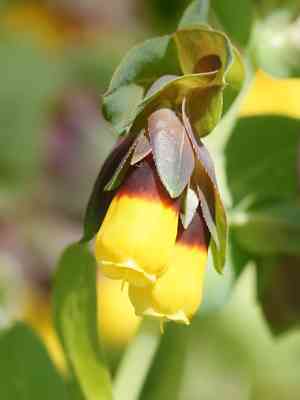
Honeywort (Cerinthe major)
Also known as: Honeywort, Greater Honeywort
Honeywort (Cerinthe major) originates from the Mediterranean area, spanning Southern Europe and Northern Africa. It thrives in moist yet well-drained soil under full sunlight. Noted for the striking blue foliage surrounding its blooms, Honeywort adds a unique touch to its native landscapes.
In This Article
Attributes of Honeywort
Lifespan
Annual, Biennial
Plant Type
Herb
Plant Height
15 cm to 80 cm
Spread
60 cm
Leaf Color
Green Blue
Flower Size
0.5-1 inch (1-2.5 cm)
Flower Color
Yellow Purple Blue
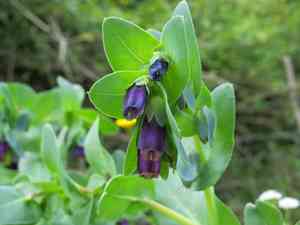
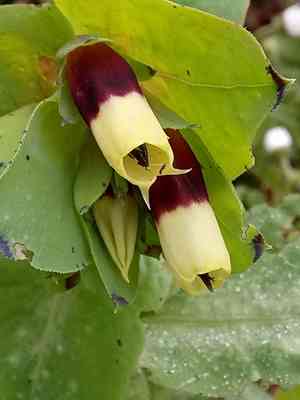
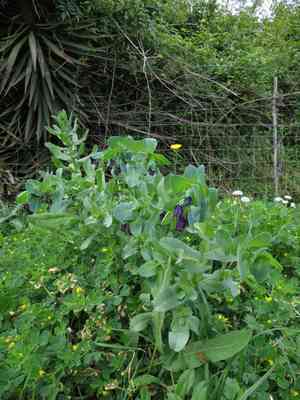
Images of Honeywort
Quickly Identify Honeywort
1
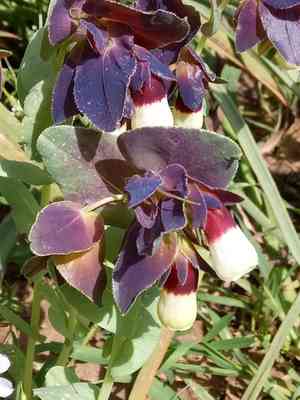
Cerinthe major can be identified by its distinctive blue-purple tubular flowers and thick, fleshy leaves that have a silvery-blue hue. The stems are sturdy and can grow in a sprawling manner.
Scientific Classification of Honeywort
Phylum
Vascular plants
Class
Dicotyledons
Order
Boraginales
Family
Borage
Genus
Honeyworts
Species
Honeywort
Planting and Growing of Honeywort
Care Difficulty
Easy
Watering Schedule
Every 4 days
Sunlight Requirements
Full sun
Sunshine Duration
6-10 hours
Ideal Temperature
60-75℉
Soil Type
Potting Mix, Peat Mix
Soil pH
6.5-7.5
Fertilizer Type
Balanced
Pruning Season
Spring, Summer
Pruning Area
Branches, Leaves
Pruning Frequency
2 times a year
Repotting Season
Spring
Pot Type
Plastic, Ceramic
 How to Water Honeywort?
When watering Cerinthe major, aim to thoroughly soak the soil without causing standing water. The soil should be moist but not waterlogged. It's better to water deeply and less frequently to encourage deep root growth. Ensure water penetrates to at least 10-15 cm deep.
What are the symptoms of an underwatered Honeywort?
›
What should I do if my Honeywort is not getting enough water?
›
What are the symptoms of an overwatered Honeywort?
›
How to save an overwatered Honeywort?
›
 What Are the Sunlight Requirements for Honeywort?
Cerinthe major ideally flourishes with exposure to full sun for most of the day, yet it tolerates partial sun conditions. Adequate sunlight enhances growth, supports vivid floral displays, and maintains healthy, sturdy stems, improving the whole plant structure.
More About Sunlight Requirements Techniques→
Optimal Sunlight Duration
›
Solutions for Adequate Light
›
Benefits of Ideal Lighting
›
 What Is the Ideal Temperature Range for Honeywort?
Cerinthe major thrives in temperatures ranging from 60-75°F. These conditions allow optimal enzymatic activity and metabolic rates, promoting vigorous growth and robust flowering. This range avoids stress caused by thermal anomalies, ensuring healthy plant development.
 What Soil is Best for Honeywort?
Cerinthe major thrives in soils that drain well, preventing waterlogging that can lead to root rot. Well-draining soil ensures the roots are well-aerated and helps the plant absorb essential nutrients efficiently. This plant prefers soil with moderate fertility, as too much organic matter can lead to excessive foliage growth with fewer flowers. Balanced fertility aids in optimal flowering and healthy foliage. Cerinthe major often performs better in slightly alkaline soils, where nutrient availability is optimal for robust growth. This pH range enhances nutrient uptake and improves overall plant health.
 How to Fertilize Honeywort?
For Cerinthe major, it's crucial to use a balanced approach to fertilization. Too little can stunt growth, while too much can cause leaf burn. A quarter to half strength of a balanced liquid fertilizer every watering cycle usually suffices. Always ensure any excess fertilizer dissolves completely, avoiding buildups that can harm the plant.
 How to Prune Honeywort?
Begin by removing any dead or damaged stems and leaves. Cut back to a healthy node to encourage new, vibrant growth. This not only enhances the plant's appearance but also helps in preventing diseases. Focus on shaping the plant by cutting back leggy or overly tall stems. Aim to maintain a balanced structure. Trim back to just above a leaf node where new leaves and flowers will emerge, ensuring a fuller and more aesthetically pleasing plant.
More About Pruning Techniques→
 How to Propagate Honeywort plant?
1
Before sowing, soak Cerinthe major seeds in water overnight. This helps soften the seed coat, promoting faster germination. Discard any floating seeds as they may not be viable.
2
Fill a seed tray with moistened potting soil and scatter the seeds on the surface. Cover them lightly with soil, approximately 1/8 inch deep. Maintain consistent moisture using a spray bottle to avoid disturbing the seeds.
3
Place the tray in a warm area with indirect sunlight. Maintain a temperature range of 65-75°F (18-24°C). Monitor moisture levels, ensuring the soil remains damp but not waterlogged during the germination period of 10-21 days.
 How to Repot Honeywort plant?
1
Cerinthe major usually signals the need for repotting when it shows signs of outgrowing its container, such as roots protruding from the drainage holes or growth slowing considerably. The best time to repot is during its active growth period in spring or early summer when the plant can recover quickly.
2
Select a pot that is one or two sizes larger than the current one. Ensure it has adequate drainage holes to prevent waterlogging, which can harm the plant. A slightly larger pot supports better root development, preventing the plant from becoming root-bound.
3
Opt for a well-draining, nutrient-rich soil mix; a cactus or succulent blend is ideal. This ensures proper drainage and avoids the roots becoming waterlogged, promoting healthy root growth and vibrant foliage.
Learn More About Honeywort Diseases
Anthracnose
Bacterial Leaf Spot
Bacterial Soft Rot
Bacterial Wilt
Black Spot
Chemical Injury
Damping-off
Downy Mildew
Drought Stress
Fusarium Wilt
Gray Mold
Leaf Curl
Leaf Spot
Mosaic
Nutrient Deficiency
Nutrient Toxicity
Powdery Mildew
Root Rot
Root-knot Nematode
Rusts
Sooty Mold
Spider Mites
Temperature Stress
Thrips Damage
White Mold



