The Honeywort Plant Advantage: Maximizing Home and Office Appeal and Wellness
1
Cerinthe major draws helpful pollinators such as bees and butterflies.
2
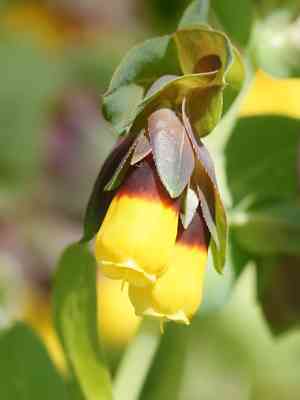
Its vibrant blue and purple flowers enhance the visual appeal of any garden.
3
Growing Cerinthe major is straightforward and demands little upkeep.
What Makes Honeywort a Distinctive Addition to Your Garden?
Striking Visual Appeal
Honeywort is renowned for its vivid blue and purple blossoms that introduce a unique burst of color to any garden space. The plant's drooping flowers are not only attractive but also impart a sense of motion and grace, enhancing garden aesthetics. Its broad, waxy leaves offer a beautiful contrast to the vibrant blooms, providing a multi-layered visual charm that can captivate any observer.
Simple to Cultivate and Maintain
A key characteristic of Honeywort is its minimal care requirements. Whether you're a gardening beginner or an experienced horticulturist, you'll appreciate that Honeywort doesn't demand complex maintenance routines. It thrives in well-drained soil and can endure various environmental conditions, from full sun to partial shade. Furthermore, it's quite resistant to pests and diseases, making it an ideal option for those desiring a trouble-free gardening experience.
How Does Honeywort Benefit Your Garden's Ecosystem?
Attracts Pollinating Insects
A significant advantage of integrating Honeywort into your garden is its capacity to draw in beneficial pollinators. Bees, butterflies, and even hummingbirds are drawn to its colorful flowers, assisting in the pollination of other plants within your garden. This can lead to a more abundant and diverse garden ecosystem, aiding in the growth of fruits, vegetables, and other flowering plants.
Enhances Soil Quality
While often overlooked, Honeywort positively contributes to soil health. Its root system helps in aerating the soil, fostering healthy microbial activity. As the plant decomposes, it returns organic matter to the soil, enriching it and improving its texture and nutrient content. This creates a more fertile ground for other plants to flourish.
Can Honeywort Be Utilized for Decorative Purposes?
Crafting Beautiful Floral Displays
Honeywort is not solely for outdoor gardens. Its blooms make excellent cut flowers for indoor arrangements, adding a splash of color and a touch of sophistication to any room. The flowers can last for several days in a vase, making them a popular choice for those wishing to bring the beauty of their garden indoors.
Garden Borders and Edges
Honeywort can also be effectively employed to highlight garden borders and edges. Its distinctive flowers and foliage can create natural divisions, adding structure and definition to your garden layout. This is particularly useful for establishing visually pleasing separations between different garden sections or pathways.
What Growing Conditions Are Optimal for Honeywort?
Soil and Water Needs
Honeywort prefers well-drained soil rich in organic material. While it can tolerate various soil types, sandy or loamy soils are ideal. It requires moderate irrigation; excessive watering can lead to root rot, so it's crucial to maintain a balanced watering schedule. During dry periods, ensure the soil remains moist but not waterlogged.
Sunlight and Temperature Preferences
For optimal development, Honeywort should be planted in an area that receives full sun for at least six hours daily. However, it can also endure partial shade. The plant is relatively robust and can withstand different temperature ranges, though it thrives best in temperate climates. Protecting it from extreme cold by using mulch or moving it indoors can help it survive harsh winters.
Why Should You Consider Incorporating Honeywort into Your Garden?
Adaptable Application
Honeywort is a versatile plant that can integrate into various garden styles, from formal designs to wildflower plots. Its adaptability and ease of cultivation make it suitable for use in diverse garden themes, including cottage gardens, rock gardens, and xeriscaping. Its ability to coexist with other plants without dominating them makes it a complementary addition to any garden setup.
Environmentally Friendly Choice
Adding Honeywort to your garden is also an eco-conscious decision. By attracting pollinators and enhancing soil health, the plant supports a more sustainable garden ecosystem. Its low-maintenance requirements mean you'll rely less on chemical fertilizers and pesticides, contributing to an environmentally responsible gardening practice.



