How to Propagate Honeywort?
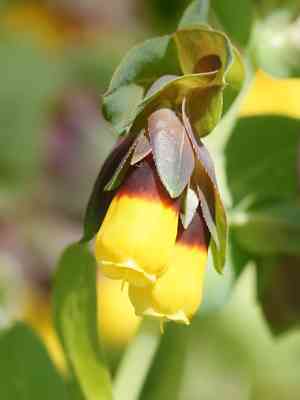
Cerinthe major is chiefly multiplied by seeding. For best outcomes, the seeds ought to be planted in soil that drains effectively and situated in an area receiving moderate to ample sunlight. To foster sprouting, ensure steady dampness without saturating the soil. After the young plants have taken root, they should be spaced out to avoid excessive density, thereby encouraging more robust growth and maturation.
Optimal Time for Honeywort Propagation
Propagation Method
Seeding
Propagation Period
Spring
Essential Tools for Honeywort Propagation
Seed trays or pots
These containers are vital for planting honeywort seeds. They offer a controlled setting for initial seed development, allowing for efficient space utilization and simple management of young plants. Choosing trays or pots with good drainage helps prevent waterlogging, which is crucial for the healthy growth of honeywort's delicate seedlings.
High-quality seed starting mix
This specialized growing medium is designed to encourage healthy root growth and ensure good air and moisture retention, both essential for honeywort germination. A light, nutrient-rich mix supports the initial growth phase by providing ideal conditions for seed sprouting and root establishment.
Watering can with a fine rose
A watering can equipped with a fine spray rose attachment is perfect for gently watering honeywort seeds and seedlings without disturbing the soil or dislodging the seeds. This tool ensures even moisture distribution across the seed trays, maintaining consistent moisture levels critical for seed germination.
Labels or markers
These are used to distinguish different batches of honeywort, especially if multiple sowing dates or various plant species are being propagated. Labels aid in tracking growth progress and ensuring proper care during the plants' formative stages.
Clear plastic dome or cover
A clear cover helps create a humid microenvironment that enhances moisture retention and warmth, both beneficial for increasing honeywort's germination rate. This tool also protects seeds from pests and harsh environmental conditions during the critical germination period.
Honeywort Propagation Difficulty
Propagation Type
Simple
Caring for Newly Propagated Honeywort
Caring for Your Newly Propagated Honeywort
Post-propagation, ensure honeywort is placed in full sun to partial shade and watered regularly to keep the soil moist but well-drained. As honeywort grows, you might need to support it with stakes or trellises if it becomes top-heavy. During the growing season, feed honeywort a balanced, diluted liquid fertilizer every 4-6 weeks to encourage robust growth and flowering.
Common Errors to Avoid When Propagating Honeywort
Overwatering during germination
Excessive moisture can lead to fungus or seed rot, which hinders honeywort seed germination and can result in poor seedling development.
Planting seeds too deeply
Planting honeywort seeds too deep can prevent them from receiving adequate light for germination, leading to slower growth or failure to emerge.
Ignoring initial soil warmth
Honeywort seeds require warm soil conditions for effective germination. Planting in overly cool soil can significantly delay germination or prevent it entirely.
Advice for Propagating Honeywort
Surface sowing
Sow honeywort seeds on the soil surface or cover very lightly with soil to ensure they receive sufficient light to initiate germination.
Maintain moisture but avoid waterlogging
Keep the soil moist but not waterlogged to support germination without risking fungal diseases. Using a sprayer to moisten the soil can help manage moisture levels effectively.
Use of heat mats
If starting seeds indoors or in cooler conditions, a heat mat can help maintain the soil at an optimal temperature, promoting faster and more uniform germination of honeywort.



