How to Prune Honeywort?
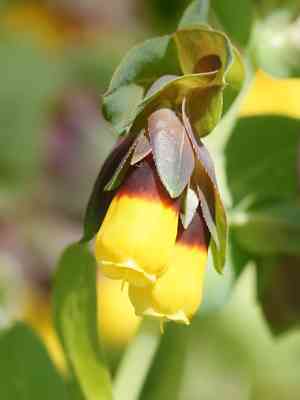
Cerinthe major, characterized by its appealing campanulate blossoms and glaucous leaves, largely thrives with minimal trimming. Snip off spent blooms to foster ongoing flowering and preserve its form. The ideal period for pruning is following the primary blossoming phase in late spring or early summer. Removing withered flowers throughout summer can additionally stimulate a subsequent bloom. To ensure peak plant well-being, eliminate any lifeless or compromised stalks. Autumn pruning readies Cerinthe major for its winter rest and renewed vigor in spring.
What Are the Benefits of Pruning Honeywort?
What Are the Benefits of Pruning Honeywort?
Trimming honeywort promotes robust development and helps maintain its desired form. This ensures the plant stays healthy and visually appealing. Strategic cuts can enhance air circulation and light penetration, crucial for strong growth and flower production.
What Is the Best Time for Pruning Honeywort?
What Is the Best Time for Pruning Honeywort?
Pruning honeywort in Spring fosters vigorous growth as the plant emerges from dormancy and resources are abundant. Early Summer trimming ensures the removal of spent blossoms, encouraging a potential second bloom and redirecting energy to healthy development. Trimming in Fall helps to neaten the plant, remove any unhealthy or dead growth, and prepare it for winter dormancy without affecting its vitality, as this occurs after the main growing and flowering periods.
What Tools Do I Need to Prune Honeywort?
Bypass Pruners
Perfect for making clean cuts on honeywort's delicate stems without crushing the plant tissue. This precision aids in a swift recovery from pruning.
Garden Scissors or Snips
These are suitable for deadheading or shaping honeywort as they allow for more precise control and can easily reach dense foliage.
Gloved Hands
Occasionally, light pinching or gentle removal of dead leaves can be done with fingers, which is an appropriate method for honeywort with its soft stems and for minor maintenance tasks.
How to Prune Honeywort
Clean tools
Ensure your pruning shears are clean and sharp to prevent the spread of disease and to make clean cuts on honeywort.
Inspect
Carefully examine honeywort to identify the withered leaves that need to be removed.
Snip withered leaves
Using the pruning shears, snip off the withered leaves at their base, taking care not to damage the healthy leaves and stems of honeywort.
Dispose
Remove the withered leaves from the area to prevent pests and diseases from spreading to honeywort.
Water
Water honeywort adequately after pruning to encourage healthy growth.
Common Pruning Mistakes with Honeywort
Overpruning
Cutting back honeywort too aggressively can harm the plant and reduce flowering. It's essential to prune judiciously, never removing more than a third of the plant at a time.
Improper cut locations
Making cuts either too close or too far from the nodes can hinder regrowth or leave unsightly stubs. Cuts should be made just above leaf nodes at a 45-degree angle.
Using dull tools
Dull pruning tools can crush stems and create jagged cuts that are more susceptible to disease. Always use sharp, clean tools for clean cuts.
Ignoring diseased material
Failing to remove or properly dispose of diseased plant material can allow infections to spread. During pruning, remove any diseased bits to maintain plant health.
Common Pruning Tips for Honeywort
Post flowering
After honeywort flowers, prune to encourage a second bloom. Snipping off the spent flower stalks just above a set of leaves can stimulate new growth and additional flowering.
Thinning
Thinning out some stems can improve air circulation and light penetration, which helps prevent disease and promotes vigorous growth. Selectively remove some of the inner stems, taking care not to overdo it.
Shaping
Maintaining an aesthetically pleasing shape in honeywort can be achieved through light pruning. Aim for a natural look by cutting back leggy stems and encouraging bushier growth with strategic cuts.
Deadheading
Regularly remove faded or dead flowers (deadheading) from honeywort to both encourage more blooms and prevent self-seeding if not desired. Trim back to the nearest set of leaves.



