How to Transplant Cassowary plum?
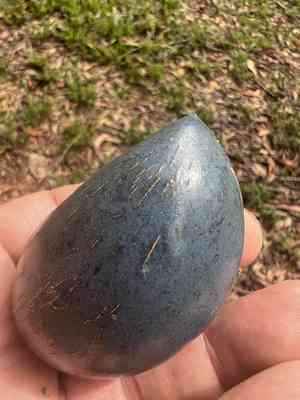
The most favorable period for transplanting cassowary plum is in the revitalizing phase from the beginning to the end of spring, facilitating a seamless adjustment. Select a location that drains effectively and receives abundant sunlight. Careful handling throughout the replanting process will result in vigorous development.
What Preparations are Needed Before Transplanting Cassowary Plum?
What is the Ideal Time for Transplanting Cassowary Plum?
Moving your cassowary plum during the robust period of early to mid-spring promotes root establishment in warming earth. This timing capitalizes on the seasonâs mild temperatures and natural moisture, encouraging strong development. Opting for this period for transplanting ensures your cassowary plum recovers quickly and flourishes, benefiting from a full growing season to strengthen before the arrival of harsher weather.
How Much Space Should You Leave Between Cassowary Plum Plants?
When planning to relocate cassowary plum, it's best to provide ample room for growth. A spacing of approximately 6.5-10 feet (2-3 meters) apart will be highly beneficial! This allows each cassowary plum to receive the necessary nutrients and airflow without becoming overly crowded.
What is the Best Soil Mix for Cassowary Plum Transplanting?
Prepare your soil to be well-draining and rich in organic material. A gentle blend of loamy soil with some compost works wonders. Before planting cassowary plum, mix in a balanced, slow-release fertilizer to give them a robust start!
Where Should You Relocate Your Cassowary Plum?
For a bright future, position your cassowary plum in an area where they can enjoy full to partial sunlight. Aim for 4-6 hours of direct sun exposure daily. This sunny spot will help cassowary plum grow happily and healthily!
What Equipments Should You Prepare Before Transplantation Cassowary Plum?
Gardening Gloves
To safeguard your hands while handling soil and the plant.
Shovel or Spade
To excavate around and lift out the cassowary plum.
Gardening Fork
To gently loosen the soil surrounding the plant's roots without causing significant harm.
Watering Can or Hose
To hydrate the cassowary plum before and after its relocation.
Wheelbarrow or Tarp
To move the cassowary plum.
Mulch
To aid in retaining soil moisture around the cassowary plum post-transplant.
Pruning Shears
To trim any damaged roots or foliage prior to transplanting.
Stakes or Supports
To help cassowary plum remain upright if needed after transplanting.
How Do You Remove Cassowary Plum from the Soil?
How Do You Remove Cassowary Plum from the Soil?
From Ground: First, thoroughly water the cassowary plum to facilitate removal and reduce transplant shock. Use a shovel or spade to dig a wide circle around the cassowary plum, being careful not to cut any major roots. Gently dig until you can lift the root ball from the ground with minimal effort.From Pot: Water the cassowary plum then carefully turn the pot on its side and gently ease the plant out. Sometimes, it may be necessary to tap the pot's edges or press on the pot's bottom to help loosen the root ball.From Seedling Tray: Water the cell where the cassowary plum is growing. Use a small tool or your fingers to gently lift the plant by its leaves or root ball, being careful not to tug on the stem or roots.
Step-by-Step Guide for Transplanting Cassowary Plum
Prepare the New Site
Dig a hole in the ground that is twice the width of the cassowary plumâs root ball and the same depth. Amending the soil with compost may be beneficial, depending on the condition of the soil in the new location.
Inspect the Roots
Before planting, examine the cassowary plum's root ball. Use pruning shears to snip away any dead or damaged roots to promote healthy growth.
Position the Plant
Place the cassowary plum in the center of the hole. The top of the root ball should be level with the surrounding soil surface. Adjust the depth of the hole if necessary.
Backfill the Hole
Gently fill the hole around the root ball with soil. Periodically tamp down the soil to remove air pockets, but avoid compacting it too firmly.
Water Thoroughly
After backfilling, water the cassowary plum deeply to settle the soil and hydrate the roots. This will also help eliminate air pockets.
Apply Mulch
Apply a 2-3 inch layer of mulch around the base of cassowary plum, being careful to keep it away from the trunk to avoid rot.
Stake if Necessary
If the cassowary plum is tall or unstable, insert stakes into the ground and use ties to stabilize the plant. Check these regularly, and adjust as the cassowary plum grows.
How Do You Care For Cassowary Plum After Transplanting?
Regular Watering
For the initial few weeks, water the cassowary plum consistently to ensure the roots are well-established. A general guideline is to water deeply when the top inch of soil feels dry.
Checking Stakes and Ties
Periodically inspect any stakes or ties for tightness and adjust to prevent harm to the developing cassowary plum.
Observing Plant Health
Monitor the cassowary plum for indications of transplant shock, such as wilting or discolored leaves, and intervene with appropriate care or environmental adjustments.
Pruning
Trim any dead or damaged branches to direct the cassowary plum's energy towards establishing new roots and healthy growth.
Additional Mulching
As mulch degrades or disperses, add fresh mulch to maintain a layer that helps conserve moisture and suppresses weeds.
Troubleshooting Common Issues with Cassowary Plum Transplantation.
What's the best time to transplant cassowary plum?
Transplanting cassowary plum thrives when performed during the mild days of late spring, typically between early and late spring.
How far apart should I space cassowary plum when transplanting?
Ensure each cassowary plum has ample room to grow by spacing them approximately 6.5 to 9.8 feet (2-3 meters) apart.
What soil conditions favor cassowary plum after transplanting?
For optimal transplant success, plant cassowary plum in well-draining soil enriched with organic matter.
How much should I water cassowary plum after transplanting?
After transplanting, water cassowary plum thoroughly to settle the soil and then regularly, but avoid over-watering.
How deep should the planting hole be for cassowary plum?
Dig a hole that's twice as wide and the same depth as the root ball of cassowary plum.
Should I add fertilizer when transplanting cassowary plum?
Refrain from fertilizing immediately; allow cassowary plum to establish for a few weeks post-transplant before adding any.
How do I prepare cassowary plum for transplanting?
Water cassowary plum well a day before, and gently trim any dead or damaged roots before transplanting.
Can I transplant cassowary plum in full sunlight?
Preferably, transplant cassowary plum on a cloudy day to minimize stress and avoid direct sun initially.
What is the sign of transplant shock in cassowary plum?
Wilting, yellowing leaves, or a halt in growth can indicate transplant shock in cassowary plum.
How can I protect cassowary plum post-transplant?
Shield cassowary plum from strong winds, provide adequate water, and consider shading them if summer heat arrives early.



