The Cassowary plum Plant Advantage: Maximizing Home and Office Appeal and Wellness
1
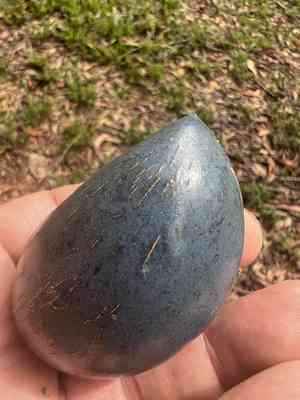
The cassowary plum produces distinctive blue fruits, serving as a vital food source for cassowaries.
2
This flora is key to rainforest health, facilitating the spread of seeds.
3
Its robust, resilient timber finds diverse applications in both historical and contemporary contexts.
What is Cassowary plum and Where is it Found?
Habitat and Distribution
Cassowary plum originates from tropical rainforests and is primarily located in areas such as Northern Australia, New Guinea, and nearby Pacific islands. This plant flourishes in the damp, shaded undergrowth of rainforests, significantly contributing to their biodiversity and ecological balance.
Physical Characteristics
Cassowary plum is identifiable by its distinct blue fruit and sturdy, resilient structure. The tree can reach considerable heights, featuring smooth, grey bark and shiny green leaves. Its fruit, though visually appealing, is known to be highly toxic to humans but serves as a vital food source for specific wildlife.
Ecological Importance
Cassowary plum plays a crucial role within rainforest ecosystems. Its fruit is a preferred food for cassowaries, large flightless birds essential for dispersing plant seeds in tropical forests. This mutualistic relationship helps maintain the rainforest's diversity and health, as cassowaries move and spread seeds far from the parent plant, aiding natural forest regeneration.
Why is Cassowary plum Important to the Ecosystem?
Seed Dispersal and Regeneration
The consumption and subsequent seed dispersal by cassowaries ensure that Cassowary plum seeds are spread across vast areas, facilitating successful plant regeneration and preserving the genetic diversity of tropical rainforests. This process is fundamental in sustaining forest landscapes, which, in turn, support numerous species relying on these environments for survival.
Supporting Wildlife
Cassowary plum provides essential sustenance to various species, primarily the cassowary. The symbiotic relationship between the plant and the cassowary highlights the interconnectedness of rainforest ecosystems. By meeting the dietary needs of these birds, Cassowary plum indirectly aids in the preservation of a wide array of fauna thriving in tropical rainforests.
Impact on Soil and Water
The presence of Cassowary plum contributes to soil stability and erosion prevention. The plantâs extensive root system helps anchor the soil, which is vital during the often-heavy seasonal rains of tropical forests. Additionally, its foliage plays a part in maintaining water quality by reducing runoff and promoting groundwater recharge.
What are the Traditional and Modern Uses of Cassowary plum?
Uses in Traditional Practices
Indigenous communities have historically used various parts of Cassowary plum for multiple purposes. The plant's wood is known for its durability and strength, making it ideal for crafting tools, weapons, and shelters. Its traditional significance extends to cultural rituals, where its presence in ceremonial practices underscores its importance.
Contemporary Applications
In modern times, Cassowary plum remains valued for its robust wood, used in crafting high-quality furniture and tools. Researchers are also investigating various compounds within the plant for potential applications in eco-friendly materials and sustainable practices. This ongoing exploration highlights the plant's versatility and lasting relevance in both traditional and contemporary contexts.
Sustainable Harvesting Practices
Efforts are underway to ensure that Cassowary plum harvesting is conducted sustainably, preserving this valuable plant for future generations. Initiatives include propagating the plant in controlled environments and implementing guidelines to prevent overexploitation. These practices aim to balance the plantâs utilization with the need to protect and conserve tropical rainforest ecosystems.
How Can You Help Protect Cassowary plum?
Supporting Conservation Efforts
You can contribute to Cassowary plum's preservation by supporting organizations focused on rainforest conservation. Donations, volunteer work, and raising awareness about the importance of tropical forests and their plant species are crucial steps in safeguarding these ecosystems.
Promoting Sustainable Practices
Encouraging the use of sustainably harvested wood and other plant materials helps lessen the impact on tropical rainforests. By choosing eco-friendly certified products and advocating for responsible sourcing, you play a role in ensuring the lasting vitality of Cassowary plum and its habitat.
Educational Outreach
Educating others about the critical role of plants like Cassowary plum in rainforest ecosystems can foster greater appreciation and proactive conservation efforts. Sharing knowledge through social media, community programs, and educational institutions can inspire collective action to protect our planetâs rich biodiversity.



