How to Propagate Cassowary plum?
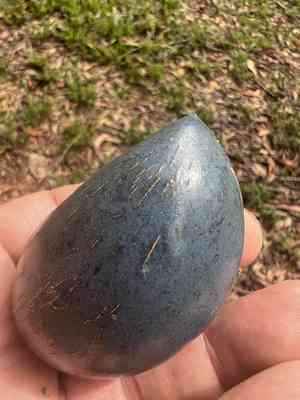
The cassowary plum is part of a plant category recognized for its robust characteristics and can be successfully multiplied via cuttings. For propagation, select robust, semi-lignified cuttings from an established cassowary plum, making sure each segment possesses multiple leaf nodes. Immerse the severed tip in rooting compound to stimulate development and place it in a potting blend that drains efficiently, maintaining consistent moisture in the substrate until roots emerge. Offer ample, diffused illumination to aid the cuttings' establishment. Through perseverance and appropriate tending, the cassowary plum will cultivate a vigorous root structure and mature into a durable feature in any landscape.
When Is the Optimal Time to Propagate Cassowary Plum?
Propagation Method
Cutting
Propagation Period
Autumn,Winter
What Equipment Is Utilized in Cassowary Plum Propagation?
Sharp pruning shears
These are crucial for obtaining clean and precise cuttings from cassowary plum. Sharp, sterilized blades help prevent crushing or damaging the plant tissue, which is vital for avoiding disease and promoting better rooting. Sharp pruning shears ensure the cuttings are healthy and have the best chance of survival and growth.
Rooting hormone
This chemical compound stimulates root development in plant cuttings, increasing the likelihood of successful propagation. For cassowary plum, which may present specific rooting challenges, applying rooting hormone to the cut base of the cutting can significantly enhance rooting efficiency and accelerate the establishment of new plants.
Sterilized pots with drainage holes
These containers are used for planting cuttings under controlled conditions. Sterilization is important to prevent fungal or bacterial diseases, especially critical for new cuttings like those from cassowary plum. Drainage holes are necessary to allow excess water to escape, preventing root rot.
Well-draining propagation medium
A specific mix for propagation, such as perlite, vermiculite, or coarse sand blended with peat, offers the correct balance of moisture retention and aeration. This is essential for cassowary plum's cuttings to develop roots without remaining too wet, which could lead to fungal diseases.
Humidity dome or plastic wrap
Maintaining a high humidity environment is crucial for cassowary plum cuttings to prevent them from drying out before they establish roots. Covering the pots with a humidity dome or loosely with plastic wrap helps create a micro-environment that retains moisture and encourages successful rooting.
How to Propagate Cassowary Plum?
Propagation Difficulty
Moderately Difficult
How to Care for Your Newly Propagated Cassowary Plum?
How to Care for Your Newly Propagated Cassowary Plum?
Once the cassowary plum cutting has successfully rooted, gradual acclimatization to the outdoor environment is essential. Begin by slowly exposing it to more direct light and less humid conditions over a week. Water the plant regularly, ensuring the soil remains moist but not waterlogged, and provide a balanced, slow-release fertilizer. Regularly check for pests and diseases, as young plants are particularly vulnerable. Proper care ensures healthy growth post-propagation.
Common Errors to Avoid When Propagating Cassowary Plum
Inappropriate soil composition
Using the incorrect soil mix for cassowary plum can impede root development and water drainage, which is crucial for the health of this moisture-sensitive species.
Excessive watering
While cassowary plum may require moist conditions, overwatering leads to root rot, significantly reducing propagation success.
Deep planting
Cassowary plum seeds or cuttings planted too deeply struggle to sprout and establish, as they require sufficient light and air at the surface to trigger growth processes.
Advice For Propagating Cassowary Plum
Utilize well-draining soil
Choosing soil with good drainage and aeration properties supports the delicate roots of cassowary plum, promoting healthy growth.
Moderate watering
Maintaining a balance in watering is critical; the soil should be kept slightly moist but never waterlogged to prevent root rot.
Proper depth planting
Plant seeds or cuttings of cassowary plum shallowly to allow easy sprouting and effective air and light penetration vital for growth.



