How to Prune Cassowary plum?
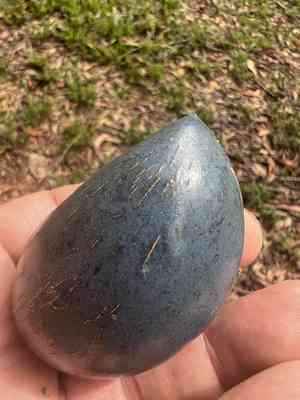
A tropical evergreen featuring expansive, lustrous foliage and plum-like fruit, cassowary plum flourishes with infrequent trimming. Perform shaping and eliminate compromised or ailing limbs in late winter or early spring, coinciding with the plant's inactive period for superior recovery and development. This targeted trimming maintains the well-being of cassowary plum and could boost fruit yield. Protective equipment is crucial when pruning cassowary plum because of its poisonous fluid.
Advantages of Trimming Cassowary Plum
Advantages of Trimming Cassowary Plum
Trimming cassowary plum promotes robust development by eliminating dead or congested branches, improving air movement and sunlight exposure. Regular trimming helps maintain the desired form and dimensions of cassowary plum, ensuring a healthy and appealing look.
Optimal Period for Trimming Cassowary Plum
Optimal Period for Trimming Cassowary Plum
Trimming or shaping cassowary plum in late winter or early spring is ideal, as these periods precede the plant's active growth phase. Late winter trimming helps ensure that cuts heal rapidly with the onset of new spring growth, minimizing stress and disease risk. Furthermore, by trimming cassowary plum before its rapid spring growth cycle, gardeners can effectively shape the plant and manage its energy resources. If cassowary plum has a flowering or fruiting cycle, trimming during these optimal seasons allows for the removal of old or damaged growth, which can encourage healthier blooms and fruit production in the coming season. This timing also offers improved visibility for gardeners to assess and remove any potentially problematic areas, as the plant's foliage is minimal.
Necessary Tools for Trimming Cassowary Plum
Bypass Pruners
Perfect for making precise cuts on cassowary plum's smaller branches and twigs. These pruners operate like scissors, with two blades passing each other to create a clean cut, which is better for the plant's health.
Loppers
These are required for cassowary plum's thicker branches, typically up to 2 inches in diameter. The extended handles provide leverage to cut through larger stems that bypass pruners cannot manage.
Pruning Saw
For the largest branches of cassowary plum, a pruning saw is essential. This tool can cut through thick branches that are beyond the capacity of loppers.
Hedge Shears
Suitable for shaping cassowary plum if it is being maintained as a hedge or for achieving a formal appearance. Hedge shears allow for trimming and shaping over a larger surface area.
Safety Gear
Includes gloves and eye protection. Trimming cassowary plum may involve sharp tools and falling branches, so personal safety is crucial.
Pole Pruner
For reaching elevated branches without using a ladder, which enhances safety when trimming cassowary plum.
Steps to Trim Cassowary Plum
Sanitize Tools
Before beginning, ensure all trimming tools are cleaned and sterilized to prevent disease transmission to cassowary plum.
Examine
Carefully inspect cassowary plum to identify dead or diseased branches that require removal. Look for branches that are discolored, brittle, or show signs of infection.
Remove Dead Branches
Using sharp, clean trimming tools, cut dead branches at the point where they meet healthy wood. Make the cut at a slight angle to prevent water from collecting on the cut surface.
Remove Diseased Branches
Carefully remove any diseased branches by cutting them well below the affected area to ensure all diseased tissue is eliminated. Disinfect tools after each cut to prevent disease spread.
Discard
Properly dispose of all removed material by burning or binning to prevent disease from spreading in the garden. Do not compost diseased plant material.
Common Trimming Errors with Cassowary Plum
Excessive Trimming
Removing too much foliage from cassowary plum can shock the plant, potentially leading to stunted growth or a weakened state that makes it more vulnerable to disease and pests.
Incorrect Cut Placement
Cutting too far from a bud or node on cassowary plum's branches might result in dieback, whereas cutting too close can harm the bud or node.
Using Dull Implements
Dull trimming tools can cause ragged cuts on cassowary plum that do not heal properly, leaving the plant susceptible to infections and pests.
Tearing Limbs
Ripping or tearing branches instead of cutting cleanly through them can cause unnecessary damage to cassowary plum's bark and underlying tissues.
Trimming During Active Growth
Trimming cassowary plum when it's actively growing can sometimes impact its natural growth pattern and potentially reduce flowering.
Neglecting Disease Prevention
Failing to sterilize trimming tools before and after use can spread disease between plants or even introduce pathogens to cassowary plum.
General Trimming Advice for Cassowary Plum
Precise Cuts
Ensure you make clean, angled cuts on cassowary plum's branches just above a node or bud to encourage faster healing and minimize disease risk.
Tool Selection
Utilize sharp, appropriately sized trimming tools for cassowary plum to ensure accurate and clean cuts, thereby reducing damage and stress to the plant.
Branch Collars
When removing larger branches from cassowary plum, cut just outside the branch collar to promote proper healing and prevent trunk damage.
Deadwood Removal
Remove dead or diseased wood from cassowary plum as soon as it's noticed to maintain plant health and prevent decay spread.
Thinning Density
Thin out cassowary plum's dense growth to improve air circulation and light penetration, leading to a healthier plant with a lower risk of disease.



