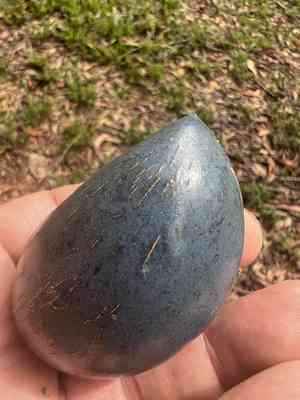
Cassowary plum (Cerbera floribunda)
Also known as: Cassowary Plum, Sea Mango
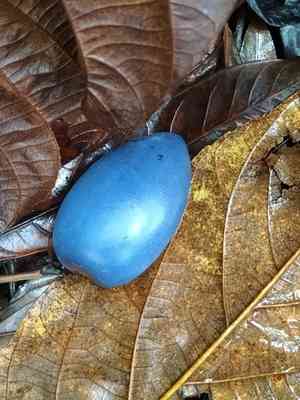
The Cassowary plum, or Cerbera floribunda, is a notable tree in coastal areas, easily identified by its shiny, dark green foliage and large, vibrant blue or purple fruit. Unlike shrubs, this tree can reach impressive heights of up to 30 meters. Its fruits, which are essential for cassowaries, have a unique pear-like shape and vivid coloration, making them particularly distinctive in their natural surroundings.
In This Article
Attributes of Cassowary plum
Lifespan
Perennial
Plant Type
Tree
Plant Height
12-15 meters
Spread
8-10 meters
Leaf Color
Green
Flower Size
4-5 cm
Flower Color
Creamy white
Images of Cassowary plum
Quickly Identify Cassowary plum
1
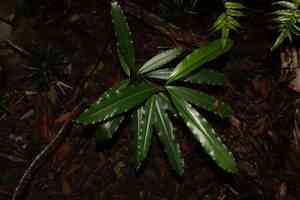
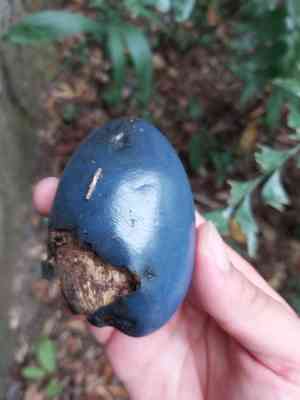
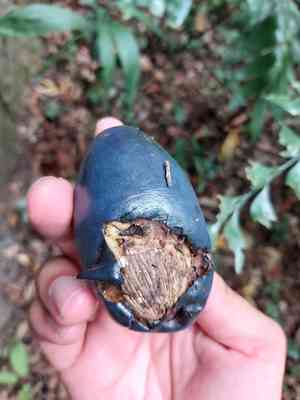
You can identify Cerbera floribunda by its glossy green leaves, which are elongated and pointed, and by its distinctive blue, almost purplish fruits that are slightly egg-shaped. The creamy white flowers usually have five petals and a delicate fragrance.
Scientific Classification of Cassowary plum
Phylum
Vascular plants
Class
Dicotyledons
Order
Gentianales
Family
Dogbane
Genus
Cerbera
Species
Cassowary plum
Planting and Growing of Cassowary plum
Care Difficulty
Hard
Watering Schedule
Every 2 days
Sunlight Requirements
Partial sun
Sunshine Duration
4-6 hours
Ideal Temperature
68-86℉
Soil Type
Potting Mix, Peat Mix
Soil pH
5.5-7
Fertilizer Type
Balanced
Pruning Season
Spring, Summer
Pruning Area
Branches, Leaves
Pruning Frequency
2 times a year
Repotting Season
Spring
Pot Type
Plastic, Ceramic
 How to Water Cassowary plum?
The recommended watering amount for Cerbera floribunda is approximately 500 ml per session. This plant thrives when the soil is kept moderately moist, so aim to water it until the top inch of the soil feels damp. However, ensure there is no standing water at the base to prevent root rot.
What are the symptoms of an underwatered Cassowary plum?
›
What should I do if my Cassowary plum is not getting enough water?
›
What are the symptoms of an overwatered Cassowary plum?
›
How to save an overwatered Cassowary plum?
›
 What Are the Sunlight Requirements for Cassowary plum?
Partial sun is ideal, allowing for 3 to 6 hours of gentle light exposure. This promotes balanced growth and maintains foliage vitality, crucial for Cerbera floribunda's long-term health and aesthetic appeal.
What is the best lighting environment for Cerbera floribunda?
›
How can you ensure the plant receives ideal light conditions?
›
What happens if the plant gets ideal light?
›
 What Is the Ideal Temperature Range for Cassowary plum?
The ideal temperature range for Cerbera floribunda is between 68°F and 86°F. This range ensures optimal growth and development by mimicking the plant’s natural habitat conditions, where it's warm and moderately humid.
 What Soil is Best for Cassowary plum?
Cerbera floribunda thrives in well-drained soil, which prevents root rot by allowing excess water to escape. This not only ensures a healthier root system but also supports robust growth. A nutrient-rich soil is essential for Cerbera floribunda, providing the necessary minerals and organic matter. This results in vibrant foliage and prolific blooming, enhancing the plant's beauty and resilience. Soil that retains consistent moisture without becoming waterlogged helps maintain the plant's hydration levels. This is vital for Cerbera floribunda, ensuring it remains lush and healthy through varying weather conditions.
 How to Fertilize Cassowary plum?
For Cerbera floribunda, it's crucial to maintain a balanced approach when applying fertilizers. In terms of liquid fertilizers, a diluted solution, say 1/4 of the recommended concentration, should be sufficient. For slow-release fertilizers, a small amount, around 20-30 grams per application, is typically beneficial.
 How to Prune Cassowary plum?
Start by cutting away any dead, diseased, or damaged branches. This helps prevent the spread of disease and allows the plant to focus its energy on new growth. Prune to thin out crowded areas in the plant’s interior. This allows more light and air to penetrate, promoting healthier growth and reducing the risk of fungal infections. Trim branches that disrupt the natural shape of the plant. Aim to create a balanced structure, removing any shoots that stick out at odd angles or disrupt the canopy symmetry.
More About Pruning Techniques→
 How to Propagate Cassowary plum plant?
1
Harvest seeds from mature fruits of the Cerbera floribunda, ensuring they are fully ripened. Clean the seeds thoroughly before planting.
2
Select healthy stems and cut a 6-8 inch section just below a node. Remove leaves from the lower half of the cutting to expose nodes, which will encourage root growth.
3
Place seeds slightly below the surface of a moist potting mix in a seed tray, or plant cuttings in a container with rooting hormone applied to the base before planting.
 How to Repot Cassowary plum plant?
1
Look for signs that Cerbera floribunda needs repotting, such as roots growing out of drainage holes or increased water drainage speed. These indicators suggest that the roots have outgrown their current pot and need more space. Repotting during the active growing seasons of spring or summer allows the plant to recover quickly and establish itself in its new environment.
2
Select a pot that is slightly larger than the current one, with ample drainage holes to prevent waterlogging. Opting for a clay or terra-cotta pot can help improve soil aeration and prevent root rot, as these materials allow moisture to escape more efficiently compared to plastic pots. Ensuring the pot is clean and free from any diseases or pests beforehand can also safeguard your Cerbera floribunda’s health.
3
Choose a well-draining potting mix to prevent water retention, which could harm the roots. A mix containing peat, pine bark, and sand is ideal for Cerbera floribunda, allowing it to maintain just the right amount of moisture while providing ample drainage. This type of soil ensures that your plant has access to necessary nutrients while fostering a thriving root system.
Toxicity
Ingestion, Contact with sap
WARNING
The judgment on toxicity and danger is for reference only. We DO NOT GUARANTEE any accuracy of such judgment. Therefore, you SHALL NOT rely on such judgment. It is IMPORTANT TO SEEK PROFESSIONAL ADVICE in advance when necessary.
Learn More About Cassowary plum Diseases
Anthracnose
Bacterial Leaf Spot
Bacterial Soft Rot
Bacterial Wilt
Black Spot
Chemical Injury
Crown Gall
Damping-off
Downy Mildew
Drought Stress
Fusarium Wilt
Gray Mold
Leaf Curl
Leaf Spot
Mosaic
Nutrient Deficiency
Nutrient Toxicity
Powdery Mildew
Root Rot
Root-knot Nematode
Rusts
Sooty Mold
Spider Mites
Temperature Stress
Thrips Damage
White Mold



