How to Transplant Field chickweed?
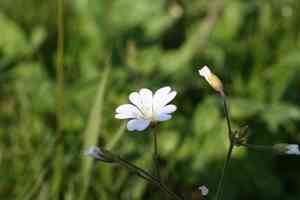
For Stellaria media, the ideal period for relocation is from the onset of early spring to the peak of late spring, when environmental factors are most favorable. Select bright areas with soil that drains effectively; provide a welcoming environment for the ground and Stellaria media will readily establish itself.
What Preparations are Needed Before Transplanting Field Chickweed?
What is the Ideal Time for Transplanting Field Chickweed?
The best period for relocating field chickweed extends from the onset of early spring warmth through the middle of the season's vitality. Moving field chickweed during this timeframe utilizes the mild climate for root development without the strain of summer heat, fostering robust growth and a strong start in your garden. It's the perfect moment to encourage field chickweed's progress, leveraging the gentle temperatures and increasing daylight that spring brings, which are vital for these plants to flourish. By selecting this transplanting time, you are setting field chickweed up for success, enriching your garden with its resilient presence.
How Much Space Should You Leave Between Field Chickweed Plants?
Hello, gardening enthusiast! When preparing to move your field chickweed, remember to provide ample room. Aim for a comfortable spacing of approximately 6-12 inches (15-30 cm) apart. This will allow your field chickweed the necessary area to thrive and develop strongly!
What is the Best Soil Mix for Field Chickweed Transplanting?
For your field chickweed, you'll want to settle them into well-draining soil rich in organic matter. A generous layer of compost or a balanced slow-release fertilizer will provide an excellent beginning. Incorporate it before planting to ensure your field chickweed has all it needs to establish.
Where Should You Relocate Your Field Chickweed?
Your field chickweed will thrive in a location that receives partial to full sunlight. Find an ideal spot where they can absorb at least 4 hours of sun daily, though they won't object to a bit more. This will keep your field chickweed healthy and blooming happily!
What Equipments Should You Prepare Before Transplantation Field Chickweed?
Gardening Gloves
To safeguard your hands while handling soil and plants.
Shovel or Spade
For excavating the plant and preparing the new planting site.
Hand Trowel
For smaller digging tasks and refining the planting hole.
Watering Can or Hose
To gently irrigate field chickweed both before and after relocation.
Garden Fork
To loosen the soil around field chickweed prior to removal and to aerate the soil in the new spot.
Pruning Shears
To trim any damaged roots or foliage.
Wheelbarrow or Bucket
To transport the plant and soil without causing harm.
Mulch
To help maintain soil moisture after planting.
Plant Support Stakes
If field chickweed is a taller variety requiring support to remain upright.
How Do You Remove Field Chickweed from the Soil?
How Do You Remove Field Chickweed from the Soil?
From Ground: First, moisten the soil around field chickweed to facilitate digging and reduce plant stress. Use a shovel or spade to dig a wide trench around field chickweed, ensuring the root ball remains intact. Gently work beneath the root ball with the shovel or your hands to free the plant.From Pot: Water field chickweed thoroughly. Position your hands around the plant's base, turn the pot sideways, and gently tap the bottom to dislodge field chickweed. Carefully ease field chickweed out, supporting the root ball.From Seedling Tray: Water the seedlings to dampen the soil. Use a hand trowel or a spoon to carefully lift each field chickweed seedling, taking extra care not to harm the delicate roots.
Step-by-Step Guide for Transplanting Field Chickweed
Preparation
Gather all necessary tools and materials. Ensure you have ample time and are not rushed.
Removal
Carefully follow the removal procedure appropriate for field chickweed's current growing location.
Hole Preparation
Dig a hole twice as wide and the same depth as the root ball. Loosen the soil at the bottom with a garden fork.
Placement
Position field chickweed in the center of the new hole. The plant should be at the same depth it was growing previously.
Filling In
Gently backfill the hole with soil, avoiding excessive compaction, which could harm the roots.
Watering
Water field chickweed thoroughly immediately after transplanting to help settle the soil and hydrate the roots.
Staking
If needed, insert plant support stakes now, being careful not to damage the root system.
Mulching
Spread a layer of mulch around the base of field chickweed to help retain soil moisture and regulate temperature.
How Do You Care For Field Chickweed After Transplanting?
Monitoring
Regularly check field chickweed for signs of stress, such as wilting or discolored leaves, and address them promptly.
Watering
Keep the soil consistently moist for field chickweed during the initial few weeks. This aids root recovery and establishment.
Pruning
Remove any damaged or dead parts of field chickweed to direct growth energy towards healthy areas.
Supporting
Ensure any stakes or supports are functioning correctly without restricting field chickweed's growth or damaging its stems.
Mulching
Maintain the mulch layer and replenish as necessary to protect field chickweed from extreme temperatures and retain soil moisture.
Troubleshooting Common Issues with Field Chickweed Transplantation.
When is the best time to transplant field chickweed?
The ideal time for transplanting field chickweed is when the weather becomes warmer, typically in early to late spring.
Why are my field chickweed seedlings wilting after transplant?
Wilting can occur due to root disturbance or insufficient watering. Handle roots gently and keep the soil moist.
How much space should I leave between field chickweed plants?
Allow approximately 6-12 inches (15-30 cm) of growing space between each field chickweed plant for adequate air circulation and sunlight.
How deep should I plant field chickweed when transplanting?
Plant field chickweed at the same depth it was previously growing to encourage stable growth and prevent stem rot.
Can I transplant field chickweed in cold soil?
Transplant field chickweed when the soil is not too cold, ideally above 50°F (10°C), to prevent root shock.
Why isn't my transplanted field chickweed growing?
Slow growth can be attributed to shock, poor soil conditions, or inadequate light. Ensure proper post-transplant care.
Should I fertilize field chickweed after transplanting?
Wait a few weeks before fertilizing to allow field chickweed to establish in its new location and avoid root burn.
How do I know if field chickweed has enough water after transplanting?
The soil should be kept uniformly moist but not waterlogged. Use a finger test to check moisture at root level.
Can transplanting field chickweed during flowering cause issues?
Transplant before the flowering stage to minimize stress and improve root establishment in the new environment.
What should I do if field chickweed shows transplant shock symptoms?
Provide shade, maintain soil moisture, and refrain from fertilizing until symptoms improve. Patience is crucial during recovery.



