How to Prune Field chickweed?
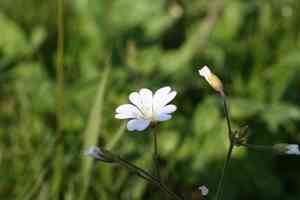
A perennial herbaceous variety, field chickweed thrives in ample sunlight and well-draining substrate. Trimming should be performed in the spring and summer seasons to stimulate robust development and manage its expansion. Shear the plant after blooming to inhibit self-propagation and foster more compact foliage. Remove any deceased or excessively long stems to preserve its form and vitality. Consistent trimming additionally improves air movement, diminishing the likelihood of fungal infections. These methods boost the plant's aesthetic value and general well-being.
Advantages of Trimming Field Chickweed
Advantages of Trimming Field Chickweed
Trimming field chickweed encourages robust development and maintains its desired form, ensuring a healthy and visually appealing look. Strategic cutting manages size and fosters a denser, more vigorous plant.
Optimal Time for Trimming Field Chickweed
Optimal Time for Trimming Field Chickweed
In late spring, field chickweed has typically finished blooming and is entering an active growth phase, making it an ideal time to trim and shape the plant without hindering its flowering. Pruning during this window helps revitalize field chickweed's growth and allows gardeners to control its spread within a garden. Trimming in early summer is also beneficial as it removes spent flowers and developing seed heads, potentially reducing unwanted self-seeding and promoting a more compact growth habit. This timing aligns with field chickweed's natural growth cycle, ensuring the plant maintains vigor and reserves for the next season.
Tools Required for Pruning Field Chickweed
Bypass Hand Pruners
Perfect for making clean cuts on field chickweed, these pruners are best for severing stems without causing unnecessary harm to the remaining plant structure. This ensures a clean cut that can aid in healthy regrowth.
Garden Shears
For trimming larger areas or managing overgrown sections of field chickweed, garden shears offer a fast and effective method. They allow for consistent shape and control over the plant's height and spread.
Gardening Gloves
Though not a cutting tool, gloves are crucial for protecting your hands from potential skin irritants present while pruning field chickweed. They also provide a better grip for safely handling pruning tools.
How to Prune Field Chickweed
Identify diseased and withered parts
Carefully examine field chickweed to locate and mark diseased and withered leaves, along with diseased stems that need pruning.
Sanitize tools
Before beginning the pruning process, disinfect all pruning tools to prevent the spread of disease to healthy parts of field chickweed.
Prune diseased leaves
Using disinfected scissors or shears, carefully remove diseased and withered leaves from field chickweed, cutting at the base of the leaf stalk without harming the main stem.
Prune diseased stems
Cut back diseased stems on field chickweed to the nearest healthy node or intersecting branch, ensuring a clean cut to encourage quick healing.
Dispose
Promptly discard all pruned material away from field chickweed to prevent any potential disease spread and to maintain garden cleanliness.
Common Pruning Errors with Field Chickweed
Over-pruning
Removing too much foliage at once can stress field chickweed, impeding its growth and flower production. Ideally, only light pruning should be done to maintain shape and encourage branching.
Improper cut location
Cutting too far from a node or into the woody part of the stems may result in unsightly stubs or dieback in field chickweed. Prune just above a set of leaves or branching point for optimal health.
Using dull tools
Dull pruning tools can cause jagged cuts that are more susceptible to disease and pest infestation. Sharp, clean shears are essential for making clean cuts that field chickweed can quickly heal.
Neglecting to prune
Although minimal pruning is required, failing to remove dead or damaged foliage can lead to a lack of vigor and poor flowering in field chickweed. Periodic light pruning ensures the removal of non-beneficial parts of the plant.
General Pruning Advice for Field Chickweed
Cutting technique
Use angled cuts to remove dead or overgrown branches, which helps water to run off the cut surface, reducing the risk of disease in field chickweed.
Healthy growth promotion
Encourage new growth and flowering by snipping above a leaf node or lateral branch. This will cause field chickweed to branch out and become fuller, as well as promote more blooms.
Tool maintenance
Prioritize clean, sharp pruning tools to make precise cuts. This helps to minimize damage and the chance for disease to enter field chickweed.
Rejuvenation
For an overgrown field chickweed, consider cutting back to the base to rejuvenate the plant. This stimulates new growth and contributes to a more pleasing plant shape in the following season.



